

The luster of cultural and architectural heritage in Wadi Do'an in Yemen



Wadi Do'an in Yemen is one of the most attractive sites although it is not included on the World Heritage List, but it deserves to be inscribed. However, the future of the Do'an Valley is threatened by some commercial contractors. The environmental structure of Wadi Do'an remains coherent and preserves its identity, however, the integrity and sustainability of Wadi Do'an settlements and landscapes are already at risk. Natural resources and agricultural wealth are declining, with adverse effects on the economic and cultural heritage and the future of the Doan Valley.
Show key points
- Wadi Do'an in Yemen is a culturally and historically rich valley that remains underappreciated despite its exceptional significance and potential as a UNESCO World Heritage site.
- The valley faces modern threats from commercial development, which jeopardize its environmental integrity and the sustainability of its traditional settlements.
- Known for its striking natural landscapes, including rugged mountains and oases, Wadi Do'an offers visitors a unique mix of adventure and tranquility.
- ADVERTISEMENT
- The area carries deep historical roots with ties to ancient civilizations and once served as a major hub for trade across empires like the Himyarites, Ottomans, and British.
- Villages like Al-Hajarin and others preserve beautiful Hadrami architecture and cultural traditions, although many are now struggling with neglect and depopulation.
- Despite its remote location and limited infrastructure, Do'an Valley remains a rewarding travel destination for those seeking history, nature, and cultural authenticity.
- Anthropologists and researchers believe the valley may be one of the earliest human settlement sites, adding to its intrigue and scientific importance.
Wadi Doan... Yemen's Hidden Jewel
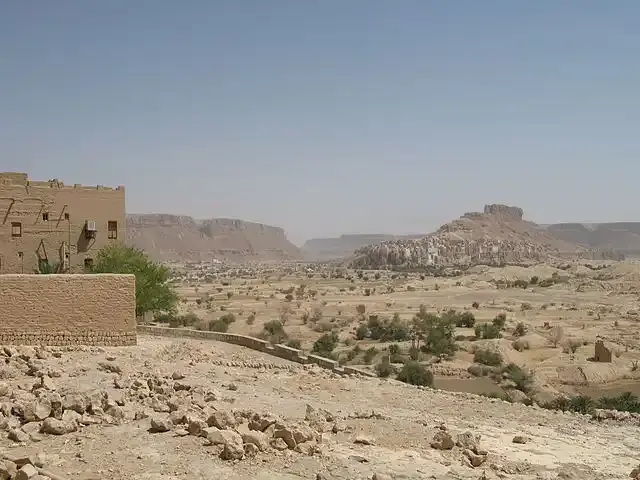
If you are a fan of travel and adventure, and are eager to visit exciting and unconventional places, Wadi Do'an in Yemen should definitely be on the list of those special places worth visiting. Located in the heart of Hadramawt Governorate, Wadi Do'an is a hidden gem rich in history, culture and natural beauty. We will take you on a virtual tour of this unique destination and provide you with all the information you need to plan your visit. You can find out everything you need to know about the Do'an Valley by reading this article.
Recommend


About Wadi Doan
Wadi Do'an is one of the tributaries of Wadi Hadhramaut in the State of Yemen, and contains many cities and villages next to the banks of the valley and above the surrounding terraces and plateaus. The Do'an Valley is divided into two valleys, one on the left and the other on the right. The right valley is considered larger than the left. To the north are the districts of Al-Harida and Wadi Al-Ain; to the west of Al-Dali'a and «Amad», and to the south of Wadi Al-Hajar; and to the districts of Ghail Ba Wazir and Mukalla to the east. The area of Do'an District is about 3,046 square kilometers and has a population of 43,306 people according to the 2004 census. The capital of Do'an District is a summer city. Today's architectural heritage surpasses that of Wadi Hadramawt, whose cities and villages have been better preserved in the past two decades. The roads to these villages were bumpy and many villages in Do'an were inaccessible by car, but the situation changed in 2005 as a road was paved across the left side of the Do'an Valley.
Etymology
The origin of the name of the valley "Doan" goes back to the Himyarite language, which means "valley", and the inhabitants of the valley sometimes called it "Doan" because it is divided into two valleys, and it was a meeting place for many tribes throughout the ages, and it has a large market called "Araf" that was one of the most famous markets in the past.
The privileged location of Wadi Doan
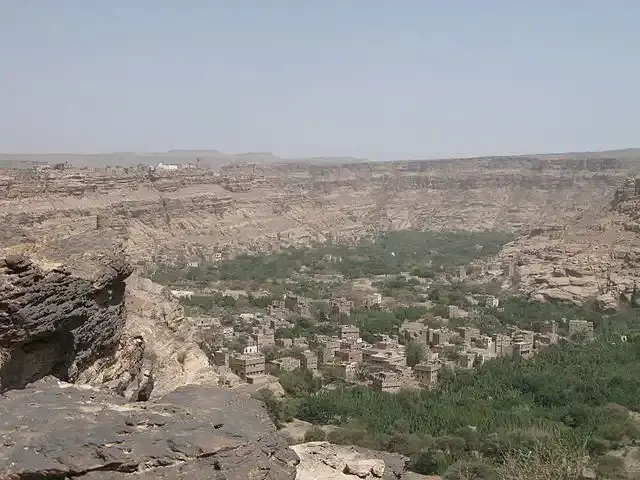
Wadi Do'an is located in Yemen's Hadramawt Governorate in the eastern part of the country. The area is surrounded by rugged mountains and is home to several villages and small settlements dating back to ancient time periods.
History of the Duan Valley
The Do'an Valley has a rich history dating back thousands of years. The region was inhabited by various civilizations, including the Hadramis, Himyarites and Romans. The region was an important center of trade and was strategically located for many empires, including the Ottoman and British empires.
The importance of the Doan Valley
Do'an Valley has always been a strategically important location due to its location at the crossroads of many trade routes. The area is still vital in the present era as a result of its geographical importance, as it is located near the border with Saudi Arabia.
Wadi Doan... Cradle of human settlement
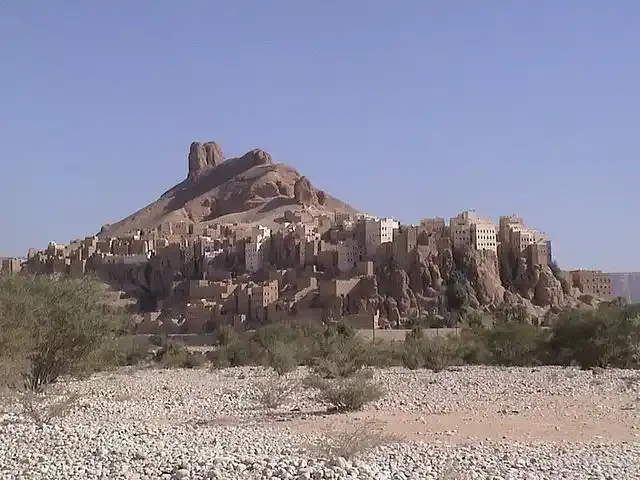
There are some anthropological theories that say that the Do'an Valley is the cradle of human settlement and the first place where humans settled, which made the Do'an Valley one of the exciting areas for explorers and excavators of antiquities such as that of the Russian expedition that found some monuments dating back to time immemorial in one of the most beautiful and important cities of the Do'an Valley ... The city of Al-Hajarin, or as it is called "Doan Gate". Many scholars have called for Wadi Do'an to be included in the list of World Heritage Sites, but these calls have not yet been heeded.
Wadi Doan in the modern era
Despite its rich history, the Do'an Valley has been largely neglected in recent years, and many villages and settlements have been abandoned, however, efforts are underway to preserve the cultural heritage of the area, and several restoration projects are currently underway. The famous villages in Wadi Do'an include Baqsan Wahid al-Jazil and al-Khuraibeh. Also notable is the famous palace of the bin Laden family.
Climate and topography of the Doan Valley
The Doan Valley is characterized by its rugged mountains and rocky terrain. The climate is hot and dry, and temperatures often exceed 38°C in the summer months. However, the area is also home to many oases and waterfalls, which provide cover and comfort from the intensity of the heat.
Travel in Doan Valley
Traveling in Do'an Valley can be challenging, as the area is remote and lacks many modern amenities. However, the trip is worth it for those looking for a travel experience like no other. The main sights of the Do'an Valley include historical villages, ancient tombs, and natural wonders such as waterfalls and oases.
Local culture and the people of Wadi Doan
The people of Wadi Do'an are welcoming and kind, and are very proud of their cultural heritage. The area is home to many unique traditions, including Hadrami architecture, which is characterized by its intricate designs and use of clay and brick. Visitors to Wadi Doan can also sample local cuisine featuring dishes such as Bint Sahn and porridge.
Why is Wadi Do'an unique?
Wadi Doan is a unique travel destination that offers something for everyone. Whether you are interested in history, culture or natural beauty, this region has it all. If you're an independent traveler who loves exploring off-route destinations, Doan Valley should definitely be on your list. With its rich history, unique culture and stunning natural beauty, this hidden gem is a must-visit for any adventurous traveller.
![]()
The most impressed Japanese techniques in modern times
Japan keeps surprising the world with weird yet useful inventions—like heated toilet seats and noise-canceling forks. One standout? Healthcare robots that assist the elderly, making life easier and healthcare smarter. Also, karaoke, born in Japan, totally changed entertainment. It's clear: Japan knows how to mix fun, tech, and innovation. more- ADVERTISEMENT
![]()
The cave beneath Pembroke Castle and the fate of the early Britons
A hidden cave beneath Pembroke Castle has revealed ancient secrets, including animal fats and tools that trace the journey of early Britons from hunters to farmers. This incredible find brings new light to prehistoric life and the evolving habits of those who lived beneath the castle centuries before it was built. more- ADVERTISEMENT
![]()
Belgrade, Serbia: Europe's new food capital?
Belgrade is now a buzzing foodie hotspot where creative chefs like Vanya Pushkar and Filip Seric reinvent traditional Serbian dishes with fresh flair. From smoked duck with herbs to grilled belly with currant sauce, the city's modern cuisine celebrates rich local flavors in vibrant, stylish settings. more- ADVERTISEMENT
![]()
Tips to reduce stress and focus during the day
Start your day with calm, healthy food, and quiet moments to reduce stress and boost focus. Short breaks, planning ahead, and winding down with hobbies or good sleep truly matter. These simple tips can refresh your energy and help you get through even the busiest days. more- ADVERTISEMENT
![]()
Many amazing things your nails can tell you
The Many Surprising Things Your Fingernails Can Tell You more- ADVERTISEMENT
![]()
Why was Pluto kicked out of the nine planets?
Pluto, once the smallest and most distant planet, was removed from the solar system’s planet list in 2006 due to its tiny size, unusual orbit, and failure to meet new planetary criteria. Yet, Pluto remains a fascinating mystery, full of potential secrets that could reshape our understanding of the cosmos. more- ADVERTISEMENT
![]()
History of Antarctica
History of Antarctica more- ADVERTISEMENT
![]()
5 habits to save on your monthly allowance
5 habits to save on your monthly expenses more- ADVERTISEMENT
![]()
Medieval Viking banquets
Medieval Viking banquets more- ADVERTISEMENT
![]()
Valuable life skills gained from mountaineering
Mountaineering is more than climbing; it’s a journey that builds resilience, self-reliance, and teamwork. It teaches us to accept failure, embrace challenges, and grow through every step. The real reward isn’t reaching the summit, but gaining the strength and wisdom needed to navigate life itself. more- ADVERTISEMENT