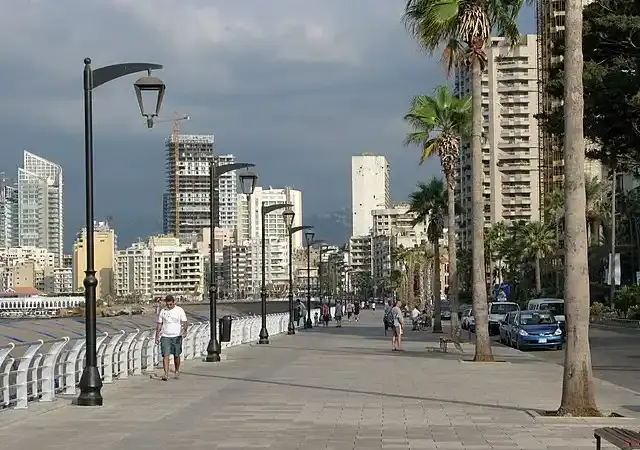


Belgrade, Serbia: Europe's new food capital?



Belgrade, the Serbian capital, has emerged in recent years as one of Europe's leading foodie destinations. Thanks to the influences of different cultures that have passed through the region, the city is witnessing a new renaissance in the field of cooking. Today, Belgrade's new cuisine attracts visitors from all over the world, as local chefs reinvent traditional dishes in a modern spirit. From authentic Balkan food to tradition-defying haute cuisine, Belgrade has become a hub for diverse modern cuisine. In this article, we will examine how Belgrade has become the food capital of Europe, by reviewing master chefs, popular cuisine, and the influence of new cuisine in the Balkans.
Show key points
- Belgrade has become a prominent European foodie destination due to the blending of traditional Balkan flavors with innovative culinary approaches.
- Visionary chefs like Vanya Pushkar and Filip Seric are redefining Serbian cuisine by combining local ingredients with modern techniques.
- The “new cuisine of the Balkans” is a creative reinterpretation of regional culinary traditions shaped by centuries of diverse cultural influences.
- ADVERTISEMENT
- Dishes such as celery confit with truffle cream and grilled belly with currant sauce illustrate the fusion of sophistication and authenticity in Belgrade's high-end food scene.
- With its vibrant restaurant culture and diverse gastronomy, Belgrade is attracting global food tourists seeking unique and modern dining experiences.
- Traditional Serbian dishes like sarma and bassolj continue to play a vital role in expressing national identity and showcasing the richness of local ingredients.
- Artistic restaurant settings in neighborhoods like Dorcol enhance the cultural and culinary appeal of the city, making food an immersive and expressive experience.
Creative chefs: redefining Serbian cuisine
Recommend


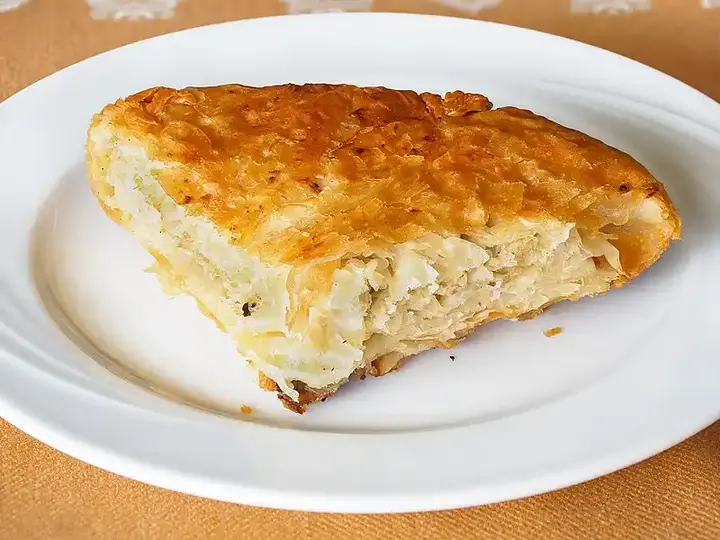
Many chefs have stood out in Belgrade seeking to redefine Serbian traditional cuisine with modern concepts. Among these chefs is Vanya Pushkar, one of the pioneers of "the new cuisine of the Balkans". Pushkar uses rich local ingredients and takes advantage of the region's agricultural diversity to prepare contemporary dishes. One of his highlights is "Celery confit with truffle cream", which reflects the uniqueness of his cuisine, which combines simplicity and creativity.
In the same vein, Filip Seric offers unique experiences that combine European influences with local traditions. His dishes are based on sophisticated cooking methods, such as "beef tongue cooked in bone marrow" and "grilled belly with currant sauce". These dishes are not only symbolic of Serbian traditions, but represent a new trend towards high-end food that
Traditional cuisine in a new spirit: the new cuisine of the Balkans
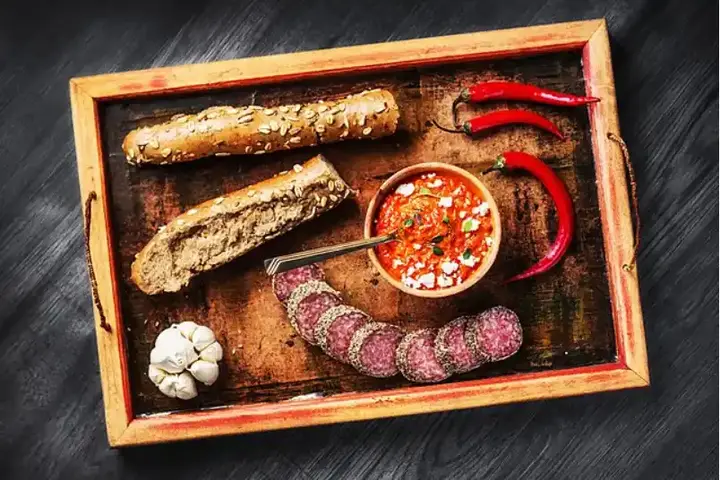
The new kitchen in the Balkans is considered a modern reinterpretation of the traditional cuisine of the region. Chefs in Belgrade rely on culinary traditions that have been influenced through the ages by Ottoman, Bulgarian, and Macedonian elements. These diverse cultural influences contributed to the creation of a unique flavor that blends old and new.
The dishes served in Belgrade today combine the fresh produce and rich flavors that characterize the region. For example, the dish "Smoked duck with local herbs" is an example of how traditional ingredients can be used to prepare modern dishes. Local cheese and vegetables grown in rural areas near the city are also used to prepare dishes that express the identity of the place and celebrate its agricultural richness.
Food tourism: Belgrade is a destination for foodies
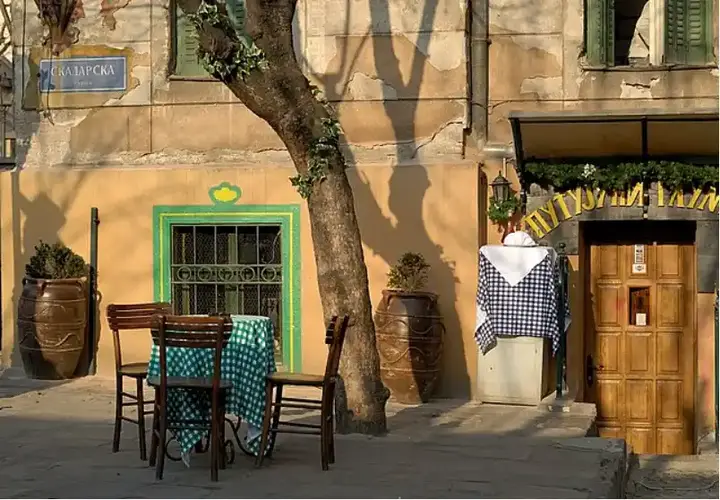
Thanks to the diversity of cuisine and the sophistication of Belgrade's food scene, the city has become a major destination for food tourism. Tourists visiting Belgrade are not only interested in visiting historical and cultural monuments, but also trying local cuisine and enjoying innovative dishes in fine dining restaurants. Belgrade offers tourists a unique opportunity to enjoy a mix of traditional and contemporary dishes in a lively atmosphere.
Modern restaurants in neighborhoods like Dorcol offer an artistic atmosphere with designs inspired by Mediterranean culture, making the dining experience complete. From ravioli stuffed with spinach and eggplant to dishes using fresh fish from the Adriatic, Belgrade's restaurants offer unforgettable experiences for foodies. These new trends in the kitchen show how food can become a means of cultural expression and communication between peoples.
Popular cuisine: how does food reflect Serbian identity?
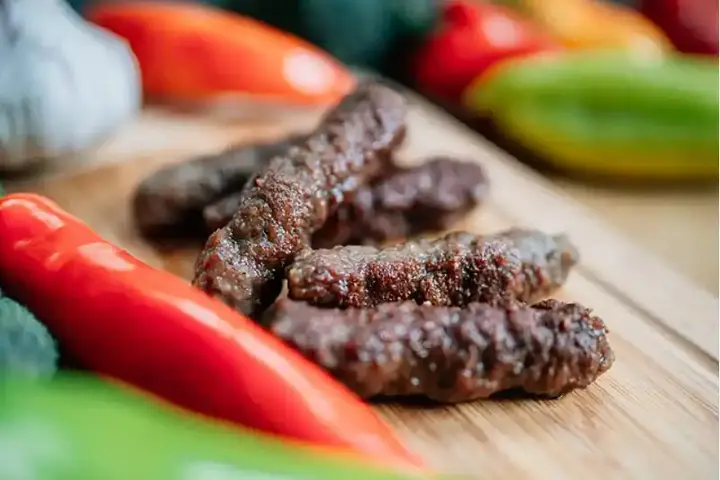
It is based on fresh local ingredients, such as meat, vegetables and cheeses. Sarma, a dish of cabbage leaves stuffed with meat and rice, is a popular traditional dish in Serbia and is often served on family occasions.
Bassolj, or bean soup, is another traditional dish that reflects the popular character of Serbian cuisine. It is braised with smoked meat and local herbs, imparting a rich flavor that reflects the simplicity and depth of ingredients used by residents. Besides, chifapichi, a type of grilled sausage made from a mixture of
![]()
Mount St. Helens blast and rebirth
Mount St. Helens, once shattered by a deadly eruption in 1980, now stands as a powerful symbol of nature's recovery. From barren ash fields to thriving ecosystems, it shows how life returns. Today, it draws visitors eager to witness Earth’s healing and learn from its remarkable transformation. more- ADVERTISEMENT
![]()
Sama Beirut... Unique skyscraper
Sama Beirut, Lebanon’s tallest tower, rises with elegance in Achrafieh, offering stunning sea and mountain views. Built by Fadi Antonios out of love for his homeland, it blends green space, luxury living, and modern safety features—all in one iconic landmark symbolizing hope and resilience. more- ADVERTISEMENT
![]()
The most expensive paintings that you could have painted yourself
The Most Expensive Paintings You Probably Could Have Painted Yourself more- ADVERTISEMENT
![]()
The art of observation – the ability to pay attention to small things
The art of observation is about noticing the overlooked, celebrating what makes people unique, and connecting through shared wonder. It's a simple yet powerful way to deepen relationships, spark creativity, and stay human in a distracting world. Noticing the little things? That’s where the magic begins. more- ADVERTISEMENT
![]()
The Seven Years' War: A Global Conflict Defining a New Era
The Seven Years' War, fought from 1756 to 1763, was the first true global war, reshaping power across Europe, North America, and beyond. It marked Britain's rise as a colonial giant and set the stage for revolutions to come, with Frederick the Great and key battles leaving lasting impacts. more- ADVERTISEMENT
![]()
What are the reasons for the failure of entrepreneurship?
Entrepreneurship is tough, with many startups failing due to poor planning, weak management, and financial issues. Lack of market research, leadership skills, and funding are key setbacks. Business incubators can help by offering mentorship, workspace, and resources to boost success chances. more- ADVERTISEMENT
![]()
Will the earth keep heating up?
The summer of 2023 brought record heat, fierce wildfires, and deadly monsoons—clear signs of worsening climate change. Scientists warn we’re edging close to the 1.5°C global warming limit, urging urgent action. Real change means cutting emissions now and rethinking our everyday choices—are we ready to act? more- ADVERTISEMENT
![]()
How periods of consistency guided me to the goal: your actions are your compass
How Periods of Consistency Guided Me To Purpose- Your actions are your compass more- ADVERTISEMENT
![]()
How exactly to spend your money to maximize happiness, according to the latest science
How exactly to spend your money to maximize happiness, according to the latest science more- ADVERTISEMENT
![]()
Polar bears and climate change: the threatened future of Arctic icons
Polar bears, majestic symbols of the Arctic, face a deeply troubling future as climate change melts their icy habitat, disrupts their food sources, and puts pregnant females at greater risk. With shrinking ice and rising temperatures, their survival grows harder, making urgent global action vital to protect these stunning creatures. more- ADVERTISEMENT