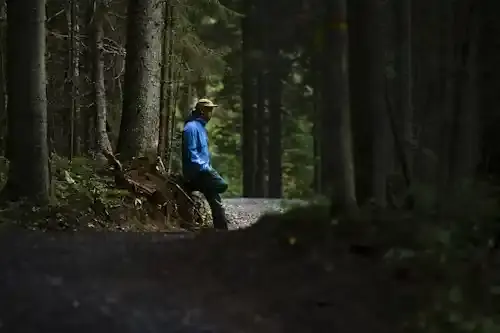


Medieval Viking banquets



As you dive into the Vikings' rich history, you discover an essential part of their social life: Viking feasts. These gatherings were more than just meals; they were pivotal events where stories were shared, alliances were formed and traditions passed down through generations. Understanding Viking feasts gives you a glimpse into Norse culture beyond their reputation as raiders and warriors.
What are banquets?
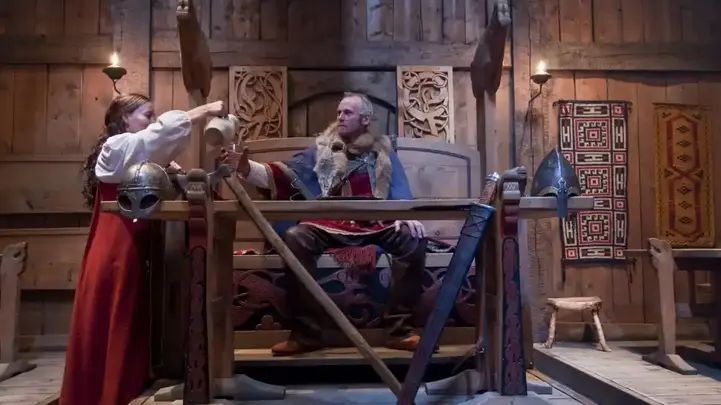
The Vikings held banquets for a variety of reasons, seasonal holidays such as winter and July nights, harvest festivals such as Mabon, religious rituals, and for more personal reasons such as a wedding or celebrating a successful raid trip. The Viking feast depends on the host's wealth, but all Vikings eat well at feast time. Surely they ate more and varied food better than the daily meal provided. Grilled and boiled meats, rich stews, buttered root vegetable dishes, welcome sharp vegetables, sweet fruits and nuts mean a rich feast and full bellies. While major holidays may last 12 days, small holidays and celebrations may last for a few days. The winter solstice came in July, from December 20 to 31, from which we derive some of our Christmas feast traditions; the spring equinox brought the Ostara Festival, a festival of renewal, welcoming the return of fertility to the earth. The summer solstice brought the Midsummer Festival, a time when most foreign trade takes place and the Vikings set out on hunting and raiding trips. August and September saw harvest celebrations at a time when most foods were at their peak to eat and preserve for the winter. Most of the weddings took place in the fall.
Recommend


Were Vikings farmers?
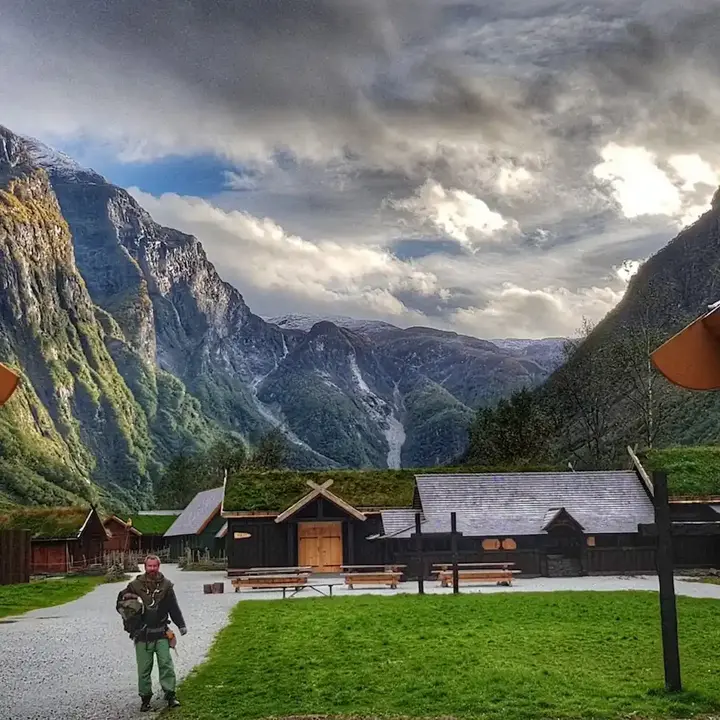
When they were not at sea on long-range raid missions, the Vikings grew crops, planted vegetable gardens and raised livestock. They were largely self-sufficient, supplementing what they produced on their farms with fishing and fishing.
Viking farms were generally small but large enough to provide the extended family with good nutrition in good harvest years. In summer and autumn, Vikings ate well, as those were abundant fresh food seasons. It was important to preserve and store foods for the winter and spring when fresh foods disappeared. Fish, poultry and meat were dried, salted or smoked. Vegetables and fruits were dried and stored for the winter. The grains were ground and the flour was made into bread, which was also preserved and stored. Although fresh foods are hard to come by in winter and spring, archaeological studies reveal that Vikings did not suffer from vitamin or mineral deficiencies.
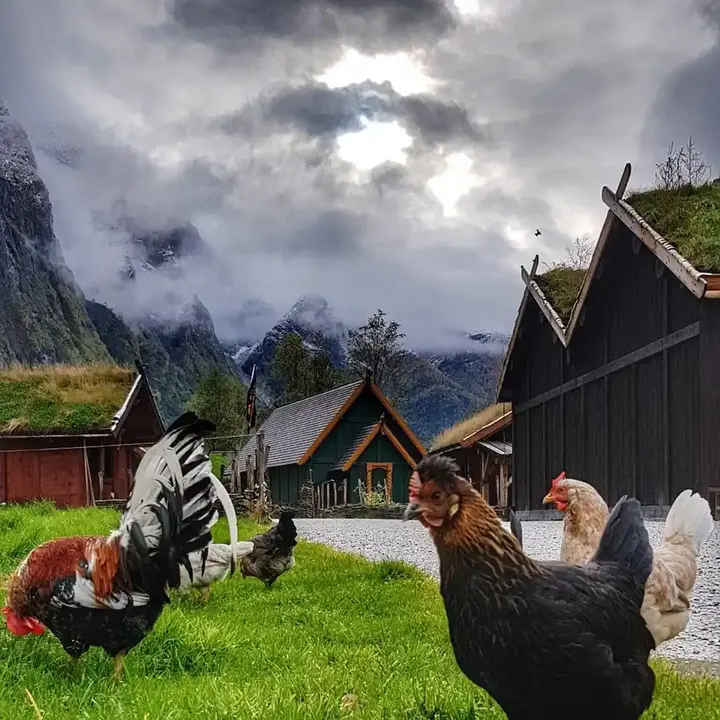
Barley and rye were grains that grow best in the northern climate, along with oats. From these grains, the Vikings made beer, bread, stews and porridge. Flatbread was the daily bread of the Vikings. She made a simple dough from ground oats or barley, added water to it, then spread the dough on a tray and baked on the fire. Vikings consumed a variety of vegetables including cabbage, onions, garlic, leeks, turnips, peas, and beans. These garden crops were planted in spring and harvested in late summer and autumn. Women and children collected wild plants and herbs, mostly greens. These wild vegetables included nettle, rice, cress and lamb quarters. The Vikings also cultivated some herbs such as dill, parsley, mustard, radish and thyme. The Scandinavians bred cows, horses, bulls, goats, pigs, sheep, chickens and ducks. They ate beef, goat, pork, lamb, lamb, chicken, duck, and sometimes horse meat. Chickens and ducks produced eggs, so the Vikings ate their eggs as well as eggs collected from land seabirds. Since most Vikings lived on the coast, they ate all kinds of fish, whether ocean fish or freshwater fish. In fact, fish probably made up 25 percent of their diet.
Most Viking cows lived long enough to raise a calf and were then slaughtered for meat. However, some cows lived to about 10 years of age, indicating that they are dairy cows. While Vikings enjoyed drinking milk, whey, and yogurt, they also used milk to make other dairy products including cheese, sacchar, yogurt-like soft cheese, curd, and butter. Sour whey was used to preserve cooked meat in winter.
The Viking Age was not the time to worry about the fat content of food. The Vikings needed all the energy they could get in the form of fat, especially in winter. Meat, fish, vegetables, cereals and dairy products were an important part of their diet. Sweet food was consumed in the form of berries, fruits and honey. In England, Vikings were often described as voracious. They ate and drank a lot according to the English people.
Today, our food culture is influenced by globalization and products can be purchased from all over the world all year round. However, in the Viking period, housekeeping needed to be planned and adapted to different seasons. The typical Viking was self-sufficient, and was a farmer with pets and crops in the field. There were also people who did not produce all the food they needed and needed to buy as well. A blacksmith or fisherman can meet his food needs by purchasing or exchanging products in the local market.
![]()
How do I increase my confidence at work? Proven practical tips and exercises
Self-confidence helps you speak clearly, connect better with coworkers, solve problems, and grow in your career. It's a skill you can build with small steps—know your strengths, improve communication, stay positive, take care of yourself, and reward your progress. Confidence is a journey, not a destination. more- ADVERTISEMENT
![]()
The four highest capitals in the world are located in Latin America, what are they?
Many Latin American capitals sit high in the mountains for reasons like cooler climates, better defense from pirates, and historical ties to indigenous sites. Cities like La Paz, Quito, and Bogotá remain notable for their altitude, beauty, and strategic importance since colonial times. more- ADVERTISEMENT
![]()
Success Guide - How to discover your passion?
Discovering your passion is a personal journey that brings meaning and joy to life. It’s about finding what excites you, motivates you, and makes you feel alive. With patience, reflection, and trying new experiences, you can uncover what truly inspires you without needing to spend a fortune. more- ADVERTISEMENT
![]()
10 signs that you are mentally stronger than the average person: conclusions of psychology
Mentally strong people embrace change, stay optimistic, manage stress calmly, and bounce back from failure with confidence. Their self-discipline, emotional control, and ability to set healthy boundaries help them grow through challenges while maintaining strong, supportive relationships. more- ADVERTISEMENT
![]()
Touching quotes that do not exceed a few words
Mind-Altering Quotes That Are All Under Few Words Long more- ADVERTISEMENT
![]()
3 skills in demand in the labor market to get a job
3 Skills required in the labor market to get a job more- ADVERTISEMENT
![]()
What are smart laptops? Is it really practical?
What are smart laptops? Is it really practical? more- ADVERTISEMENT
![]()
Cappadocia... The ancient city of caves and mountain chimneys in Turkey
Cappadocia, in central Turkey, is famed for its stunning landscapes, soft volcanic rocks, rock-cut churches, and underground cities. With a history dating back to the third millennium BC, its unique cave dwellings and ancient ruins attract tourists worldwide, especially to places like Goreme, now a UNESCO World Heritage Site. more- ADVERTISEMENT
![]()
What is deepfakes? And is it possible to know it?
What is deepfakes? And is it possible to know it? more- ADVERTISEMENT
![]()
The ten most lonely things in the world
The loneliest whale in the world sings at a frequency no other whale can hear. The only tree in a 400 km stretch of desert was hit by a drunk driver. A little robot named Curiosity sings “Happy Birthday” to itself every year on Mars. more- ADVERTISEMENT