

Fairuz: Lebanon's Angelic Voice


Fairuz, often hailed as the "jewel of Lebanon", is a legendary figure in the world of Arab music. Often described as angelic, her voice has transcended generations, evoking deep emotions among listeners across the Arab world and beyond. Over the years, it has become a symbol of Lebanese culture, a beacon of unity, and a cherished voice that resonates with people from all walks of life. This article delves into Fairuz's life, career and legacy, highlighting her rise to stardom, her unique singing style, and her profound influence on Lebanese and international music.
Show key points
- Fairuz, known as the "jewel of Lebanon", rose from humble beginnings to become one of the most celebrated voices in Arab music.
- Her collaboration with the Rahbani brothers in the 1950s marked a turning point in her career and revolutionized Lebanese musical theatre.
- With a distinct lyrical style that blends emotional depth with simplicity, Fairuz created a sound that resonated deeply across generations.
- ADVERTISEMENT
- Her songs often explore themes of love, nostalgia, patriotism, and resilience, becoming symbols of unity especially during Lebanon's civil war.
- Fairuz's artistic repertoire includes over 800 songs, 15 musicals, several films, and iconic performances at global venues like Carnegie Hall and Royal Albert Hall.
- She is revered as a national icon and cultural ambassador who has managed to bridge divides and bring people together through her music.
- Even in her later years, Fairuz maintains a powerful cultural presence, with her timeless voice continuing to inspire both older and younger audiences.
1. Biography and early life.
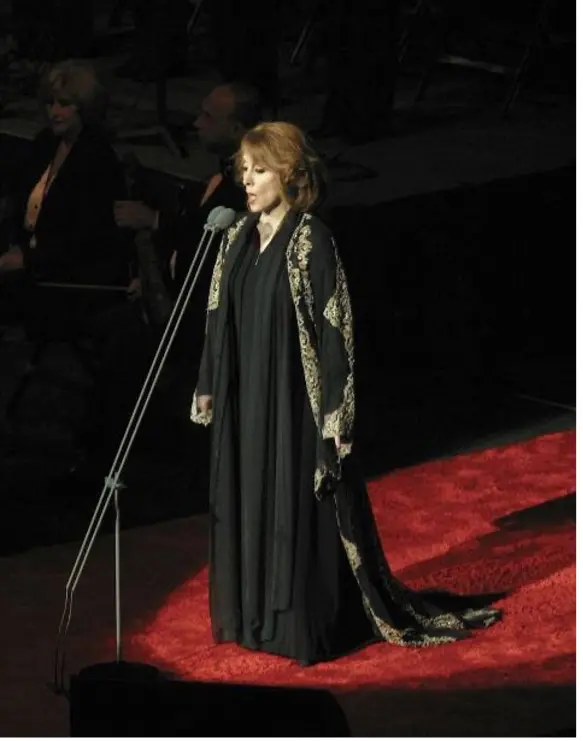
Fairuz was born as Nohad Haddad on November 21, 1934, in the village of Jabal al-Arz in Lebanon. Growing up in a modest Christian family, she was attracted to music from an early age. Her father worked as a printer, and her mother was a housewife, so she grew up in an environment rich in cultural appreciation. Fairuz's vocal talent was evident early on, and she became a popular singer in her school choir. Her passion for music caught the attention of Mohamed Fleifel, a well-known Lebanese musician, who played an active role in her early career by encouraging her to join the choir of the Lebanese radio station.
Recommend


2. The beginning of Fayrouz's artistic journey.
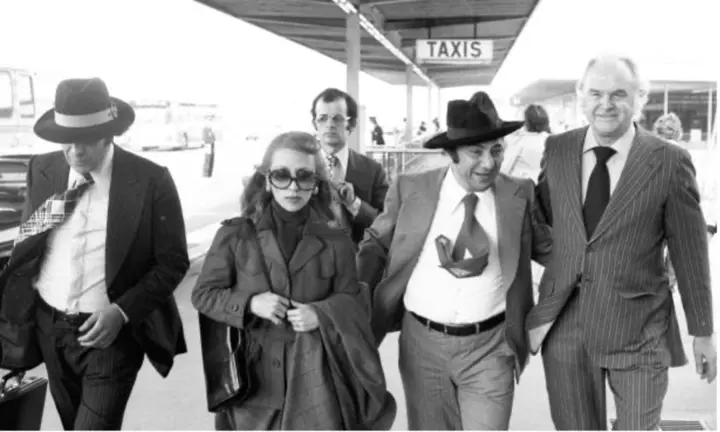
Fayrouz's career began in the early fifties when I got to know Rahbani's brothers, Assi and Mansour, who were established composers and musicians. This meeting was life-changing, as Assi Rahbani became not only her musical partner, but also her husband. Together, they revolutionized the Lebanese music scene. The Rahbani brothers' compositions perfectly complemented Fairuz's magnificent voice, and her collaboration with them led to a unique blend of Western, popular and Arabic classical music. Fairuz officially made her debut in 1952 with a hit radio song titled "Etab", which was a huge success and marked the beginning of her rise to stardom.
3. The rise of Fairuz's singing career.
During the fifties and sixties of the last century, Fairuz's popularity soared in Lebanon and throughout the Arab world. Her performances during the annual Baalbek International Festival cemented her status as a national icon. The festival, held in the ancient Roman ruins of Baalbek, provided a platform for Fairuz and the Rahbani brothers to showcase their innovative approach to music and theatre. She also starred in several Lebanese musicals and films, where her acting and singing were seamlessly intertwined, increasing her overall appeal.
4. Fairuz's lyrical style.
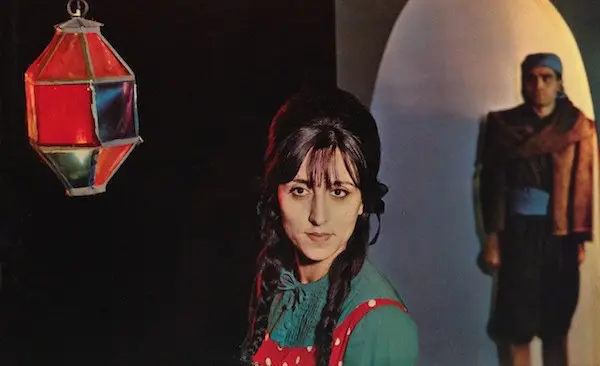
Fayrouz's lyrical style is a unique blend of simplicity and sophistication. Unlike other Arab singers who used complex vocal techniques, her voice was characterized by its purity, restraint and emotional depth. Her songs are often distinguished by melancholy melodies, delicate musical instruments and a dreamlike quality that transports listeners to another world. Fayrouz's voice can easily convey a range of emotions, from joy to sadness, and her performance often carries a somewhat spiritual and meditative quality.
5. Singing themes in Fairuz's music.
Fairuz's songs revolve around a variety of themes that reflect the personal and collective experiences of her audience. Her music revolves around themes of love, longing and nostalgia, often accompanied by an atmosphere of romance and hope. Her patriotic songs are equally significant, celebrating Lebanon's natural beauty, resilience and spirit. During the Lebanese civil war, Fairuz refused to take sides, maintaining a neutral stance, yet her songs became a symbol of national unity, offering solace to a war-torn nation. Iconic songs such as "Li Beirut" and "Bahebak Ya Liban" became songs that stirred deep feelings of patriotism and hope.
Among Fairuz's most prominent artworks, the following can be noted:
• National songs, such as: I love you, Lebanon, Ya Hurriya, I do not forget Palestine, Old Jerusalem, and Ya Hawa Beirut.
• Poems that are few in relation to their total songs, but they are considered one of the most beautiful things sung, such as: Take me with your eyes, now now and not tomorrow, Zahrat Al-Madaen, Give me the flute and sing, and I love names, and when he seemed to bend.
• Plays, most notably: Moon Bridge, The Night and the Qandil, The Sale of the Rings, The Days of Fakhr al-Din, Hala and the King.
• Short theatrical scenes or sketches, such as: Sketch Al-Natour, Al-Daya Theater, Rabouq, Asfourti, and The Return of the Pins.
• Television programs, such as: the bracelet program in 1963, and the night notebooks in 1971.
• Many albums, such as: The album Pastor in Mind, The Night and Qandil, The Station, To Assi, The Eswara, Good Friday, in addition to Ana Sahrana.
In total, Fairuz has performed more than 800 songs, participated in about 15 musicals, and participated in three films: "Selling the Rings", "Safar Berlak", and "Bent Al-Haris".
6. Fairuz's distinctive voice.
Fayrouz's voice is often described as "angelic" due to its clarity, warmth and sublime quality. It is a voice that exudes calm and tranquility, capable of calming the soul. Its vocal range, although not wide compared to other singers, is striking in its ability to convey deep emotions. What sets her apart is not technical prowess, but the purity and honesty of her style. Whether singing about love, loss or Lebanon, Fairuz's voice carries an unmistakable emotional depth that has captured millions.
7. Fairuz's place in the Lebanese arts.
In Lebanon, Fairuz occupies an unparalleled position in the world of arts. She is more than just a singer; she is a cultural icon and a symbol of national identity. Through her music, Fairuz has succeeded in uniting people across sectarian and political divisions, especially during difficult periods in Lebanon's history. Her work with the Rahbani brothers has laid the foundation for modern Lebanese musical theatre, and her performances continue to be respected for her artistic excellence. To this day, her songs are broadcast on radio, in cafes and during family gatherings, as a testament to her enduring legacy.
8. Fairuz's Arab and international reputation.
Fayrouz's reputation extends far beyond Lebanon's borders. She is loved throughout the Arab world, where generations have adopted her music. Her performances in cities such as Cairo, Baghdad and Damascus have been greatly admired. Internationally, Fairuz has performed at prestigious venues such as the Royal Albert Hall in London, the Carnegie Hall in New York, and the Olympia in Paris. Her ability to connect cultures through her music has earned her a large number of followers in Europe, the Americas and beyond.
9. Fairuz's current life.
Fairuz, who has reached her late eighties, lives a relatively private life and rarely appears in public. Despite its limited public offerings, its impact on music and culture remains profound. Its concerts, though rare, still attract audiences eager to hear the sound of an era. Even today, new generations continue to discover their timeless songs, ensuring that their legacy will last for years to come.
The bottom line.
Fairuz is a living legend, whose voice transcends borders and time. Her music continues to be a source of comfort, joy and pride for millions of people around the world. From her humble beginnings to becoming the angelic voice of Lebanon, Fayrouz's influence on music and culture cannot be overstated. As her songs reverberate across the mountains and valleys of Lebanon and beyond, Fairuz remains a beacon of hope, unity and beauty in a world that desperately needs her angelic voice.
![]()
The most important technical terms that everyone should know
Knowing technical terms isn’t always necessary—but if you want to dive deeper into tech or work in the field, it’s essential. Technologies like AI, IoT, VR, and 3D printing are transforming daily life, industry, and healthcare, bringing both exciting possibilities and challenges like privacy and security. more- ADVERTISEMENT
![]()
Belgrade, Serbia: Europe's new food capital?
Belgrade is now a buzzing foodie hotspot where creative chefs like Vanya Pushkar and Filip Seric reinvent traditional Serbian dishes with fresh flair. From smoked duck with herbs to grilled belly with currant sauce, the city's modern cuisine celebrates rich local flavors in vibrant, stylish settings. more- ADVERTISEMENT
![]()
Topkapi Palace ... The largest palaces of Istanbul in Turkey
Topkapi Palace, once home to Ottoman sultans, dazzles with over 12,000 porcelain pieces and secretive chambers. Known as the "Palace of Happiness," it’s now a UNESCO World Heritage Site and ranks among Europe's most visited museums, drawing millions into its rich blend of history, culture, and architectural beauty. more- ADVERTISEMENT
![]()
6 cheap electronic tools for an easier life
Boost your lifestyle with affordable tech tools like fitness trackers for healthier habits, e-readers for book lovers on the go, and smart trackers to never lose your keys again. Add entertainment with a TV Stick 4K and stay powered anywhere with travel adapters and rechargeable batteries. Simple, smart, and efficient! more- ADVERTISEMENT
![]()
How to outperform everyone by acting like a CEO
Success isn't accidental—it’s built through CEO-like habits. Think strategically, decide with confidence, build strong networks, and manage time smartly. These executive behaviors shape a mindset that helps you grow, lead, and stand out in your career. Start adopting them now to pave your path to excellence. more- ADVERTISEMENT
![]()
31 quotes a day that will make you mentally stronger
A month of wisdom with daily quotes invites deep self-reflection—from building awareness and humility to overcoming fear and finding peace. Powerful reminders like “start with yourself” and “simplicity over excess” show us that small, mindful changes make a meaningful impact. more- ADVERTISEMENT
![]()
The mysterious abandonment of Cahokia: The Lost City of Ancient America
Once a bustling hub near the Mississippi River, Cahokia was North America's largest pre-Columbian city, known for its massive Monks Mound and smart urban planning. By the 14th century, it was mysteriously abandoned, leaving behind ruins that still intrigue archaeologists and visitors today. more- ADVERTISEMENT
![]()
10 things smart people never share with anyone
Smart people often keep quiet about their true knowledge, finances, personal struggles, and future plans. It’s not secrecy—it’s strategy. By choosing what to share, they protect their peace, maintain control, and keep life’s noise at bay. more- ADVERTISEMENT
![]()
What happens to cancer cells when they die?
What happens to cancer cells when they die more- ADVERTISEMENT
![]()
The most fascinating discoveries we have made to explore Jupiter
Jupiter’s Great Red Spot, a massive storm lasting centuries, and the mysterious, possibly liquid core make it a planet full of extremes. Its moons—especially Europa with its hidden ocean—offer exciting clues about extraterrestrial life. With Juno and upcoming missions, the future of exploring this gas giant looks thrilling. more- ADVERTISEMENT