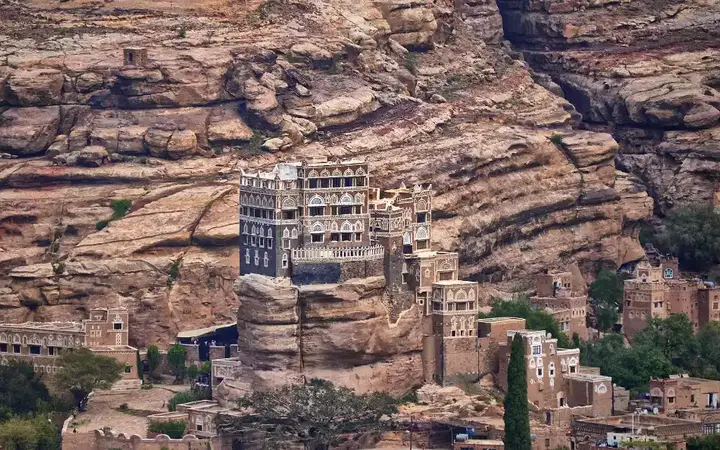


Topkapi Palace ... The largest palaces of Istanbul in Turkey



Topkapi Palace is an architectural marvel that celebrates the rich culture and history of the Ottoman Empire. Did you know that the palace kitchen houses a collection of nearly 12,000 pieces of porcelain, including a pot of celadon porcelain from China that, apparently, would change color if the food inside contained poison. If you are in Istanbul, a visit to Topkapi Palace is a must if you want to immerse yourself in the city's rich history and culture.
Show key points
- Topkapi Palace, constructed between 1460 and 1465 by Sultan Mehmed II, served as the imperial residence and administrative hub of the Ottoman Empire for nearly 400 years.
- Originally named "Yenisarai," the palace was later renamed "Topkapi" in the 19th century, evolving through several expansions and surviving major disasters like the 1509 earthquake and the fire of 166
- Distinguished by its eclectic architectural style, the palace showcases a seamless blend of Ottoman, Islamic, and European influences, designed by renowned architects such as Mimar Sinan and Sarkis Balyan.
- ADVERTISEMENT
- Topkapi Palace was transformed into a museum in 1924 and now holds priceless artifacts, including sacred relics, rare manuscripts, Ottoman garments, and the famous Spoonmaker's Diamond.
- The palace kitchen boasts an extraordinary collection of 12,000 porcelain pieces, including a Chinese celadon pot believed to detect poison by changing color.
- Known as the "Palace of Happiness," it emphasized imperial privacy through strict laws and concealed architectural elements like hidden corridors and solid windows.
- Topkapi Palace, designated a UNESCO World Heritage Site in 1985, attracts about 3 million visitors annually, making it one of the most popular tourist sites in Europe.
The reason for naming Topkapi Palace by this name
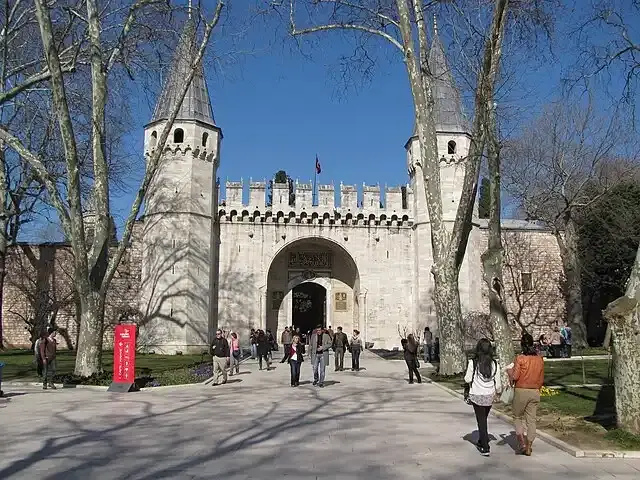
At first, the palace was called «Yenisarai», which means «New Palace» in order to distinguish it from the previous residence, then the palace took its new name «Topkapi», which means "Sublime Porte" in the nineteenth century, and it was expanded throughout the ages, and renovated after some natural events such as the earthquake of 1509 AD and the fire of 1665 AD.
Recommend


How is Topkapi Palace distinct from the rest of the palaces?
One of the largest surviving palaces in the world, Topkapi Palace was built between 1460 and 1465 on the orders of Sultan Mehmed the Conqueror a few years after his conquest of Constantinople. The palace served as the home of the Ottoman sultans for nearly four centuries. It was also the administrative and educational headquarters of the state. After the death of Sultan Mehmet, about 30 sultans ruled from the palace to renovate it and expand it to its current look – a unique blend of Islamic, European and Ottoman architectural styles. Comprising four courtyards and more than 400 rooms, the palace was home to an estimated 4,000 people, including 300 harem concubines.
Construction of Topkapi Palace
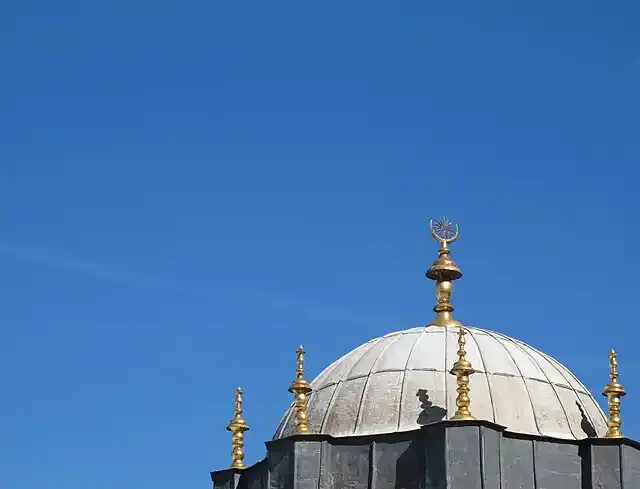
Built by decree of Sultan Mehmed II in 1459, Topkapi's Palace embodies Ottoman architectural splendor. Influenced by Ottoman, Persian and Islamic styles, it was completed in 1465. The architects were chosen for their expertise, skillfully incorporating pointed arches, domes and intricate works into the design of the palace. Notable architects involved in its design and construction include Aladdin, Daoud Agha, Mimar Sinan and Sarkis Balyan. Renowned for its harmonious fusion with diverse influences, the palace stands as a testament to Turkey's cultural and historical richness. Over the centuries, subsequent rulers contributed to its expansion and renovation, cementing Topkapi Palace as a permanent symbol of Ottoman grandeur and architectural prowess.
Topkapi Palace in modern times
Topkapi Palace acquired its current appearance in the sixteenth century after undergoing many renovations and modifications. It is now a complex of four main courtyards interconnected with galleries, corridors, harem rooms, several small courtyards, pavilions and gardens. Topkapi Palace was turned into a museum in 1924 after the abolition of the Ottoman monarchy. It houses an imperial collection of rare books, manuscripts, illustrated volumes, sacred relics of the Prophet Muhammad, early copies of the Qur'an, Ottoman robes, royal treasury, weapons and photographs, as well as a brick dagger and the famous "spoonmaker" diamond.
The Palace of Happiness ... Bricks Qabi
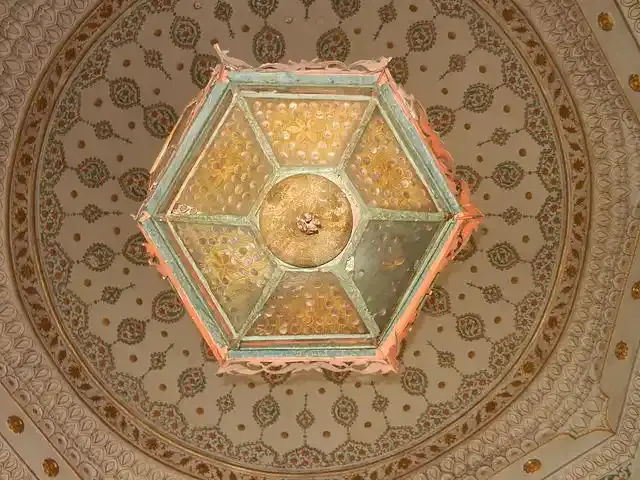
The Ottomans referred to Topkapi Palace as the "Palace of Happiness" because Sultan Mehmed II was very strict in maintaining privacy inside even though the doors were open to the public. The Law of His Law was promulgated in 1481 to ensure that the principle of imperial isolation – the act of remaining completely silent – was followed in the inner courtyard of Topkapi Palace. Solid windows and secret passages were also built to increase the application of this law.
Topkapi Palace is one of the most visited palaces in Europe
The Turkish Ministry of Culture and Tourism has taken care of preserving Topkapi Palace, where ministry officials and armed guards from military patrols guard the complex, and the Tourism Authority maintains the splendor and beauty of the palace, as Topkapi Palace is an authentic part of the historical areas in Istanbul, Topkapi Palace was declared a UNESCO World Heritage Site in 1985, which increased its fame among tourists, as nearly 3 million tourists visit Topkapi Palace annually, making it One of the most frequently visited museums in Europe.
![]()
Dar Al-Hajar ... The seven-story stone palace in Wadi Dhahr, Yemen
Perched atop a massive rock near Sana'a, the Stone Palace blends seamlessly into the mountain, appearing ancient though built in the 1930s. Once a royal summer retreat, it's now a museum showcasing Yemen’s rich architecture, with its war-castle design, gardens, and maze-like interior captivating all who visit—or admire from afar. more- ADVERTISEMENT
![]()
Navigating the Chaos: From Chaos to Stability in Life
Chaos is a natural part of life, often unavoidable but not unmanageable. With tools like mindfulness, time management, and support systems, individuals can reduce its impact and find stability. It's less about eliminating chaos and more about adapting to it wisely for a more balanced life. more- ADVERTISEMENT
![]()
The Other Side of the Business World - 3 Movies You Must Watch
These dramas dive into the dark side of business, exposing greed, betrayal, and ethical compromise. From Zuckerberg's ambition in *The Social Network* to *Boiler Room*’s stock fraud and *The Founder*’s ruthless empire building, they reveal how success can come with a moral cost. more- ADVERTISEMENT
![]()
The best ChatGPT alternatives, including what is free
ChatGPT is an advanced language AI revolutionizing communication and creativity with human-like conversations and text generation. Alongside it, impressive free alternatives like Google's Bard, Jasper Chat, Bing AI, and Perplexity AI offer unique features—from creative writing to fact-based search—making AI tools more accessible, powerful, and tailored to user needs. more- ADVERTISEMENT
![]()
The real signs of a very intelligent person
True Signs of a Highly Intelligent Person more- ADVERTISEMENT
![]()
10 ways you can make money on YouTube
YouTube isn't just for watching videos anymore—it’s a legit way to make money. From joining the YouTube Partner Program to selling your own merch or offering paid memberships, there are plenty of smart ways to turn views into income and build a real career from your channel. more- ADVERTISEMENT
![]()
Discover the Impossible: Turning Deserts into Dense Forests – Dream or Reality?
Desert greening turns dry, barren land into fertile areas using water-saving tech, solar and wind energy, and special soil treatments. One major project, the Sahara Forest Project, aims to fight drought and climate change while boosting local economies by transforming parts of the Sahara and Sahel into green spaces. more- ADVERTISEMENT
![]()
Due to lack of funding, old NASA may be on an unsustainable path
Underfunded, aging NASA may be on unsustainable path more- ADVERTISEMENT
![]()
9 reasons why small businesses fail
9 reasons why small businesses fail more- ADVERTISEMENT
![]()
10 things smart people never share with anyone
Smart people often keep quiet about their true knowledge, finances, personal struggles, and future plans. It’s not secrecy—it’s strategy. By choosing what to share, they protect their peace, maintain control, and keep life’s noise at bay. more- ADVERTISEMENT