

Why aren't all the earth's oceans the same salinity?



The salinity of the oceans varies due to a variety of factors and natural processes that affect the concentration of salt in seawater. Salinity is a measure of the amount of dissolved salts, especially sodium chloride (table salt), in water. Understanding these dynamics is critical to marine science, as salinity plays a key role in ocean currents flow and regulating climate and marine ecosystems.
Show key points
- Evaporation increases ocean salinity by leaving salts behind, particularly in hot regions like the Red Sea, while rainfall and river inflows dilute salinity in areas such as the Bay of Bengal.
- Ocean currents transport salty or less-salty water across regions, contributing to salinity variation, as seen in the movement of Caribbean water toward the North Atlantic.
- The formation of sea ice raises salinity near polar regions, whereas its melting adds freshwater, reducing salinity during warmer months.
- ADVERTISEMENT
- Temperature indirectly influences salinity, with warmer waters promoting evaporation and saltier conditions, evident in tropical oceans.
- Geographical features and proximity to land impact local salinity, especially in enclosed seas like the Mediterranean that experience high evaporation and limited freshwater input.
- Hydrothermal vents and volcanic activity release minerals into surrounding waters, slightly elevating local salinity near mid-ocean ridges.
- Human activities, such as desalination and industrial discharges, can locally alter salinity levels, although their global impact remains limited.
In this article, we outline the main factors that affect ocean salinity, giving examples of each.
1- Evaporation and rainfall:
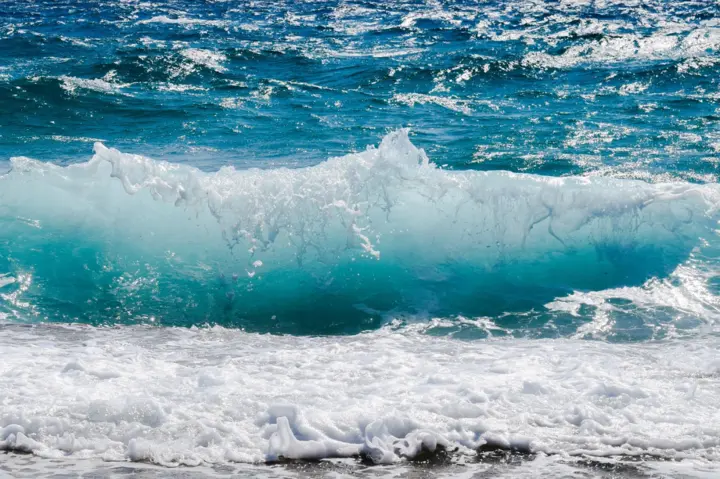
Evaporation increases salinity, and in areas with high temperatures and strong sunlight, such as areas near the equator, the rate of evaporation is high. As water evaporates from the surface of the ocean, salt remains, increasing the concentration of the latter in the water. For example, the Red Sea and the Arabian Gulf have the highest levels of salinity due to extreme evaporation. In contrast, rainfall reduces salinity, because fresh rainwater reduces the concentration of salt in the ocean. For example, in the Bay of Bengal and some parts of the tropical Pacific there is less salinity due to heavy rainfall and freshwater flows from rivers.
Recommend


2- River flows:
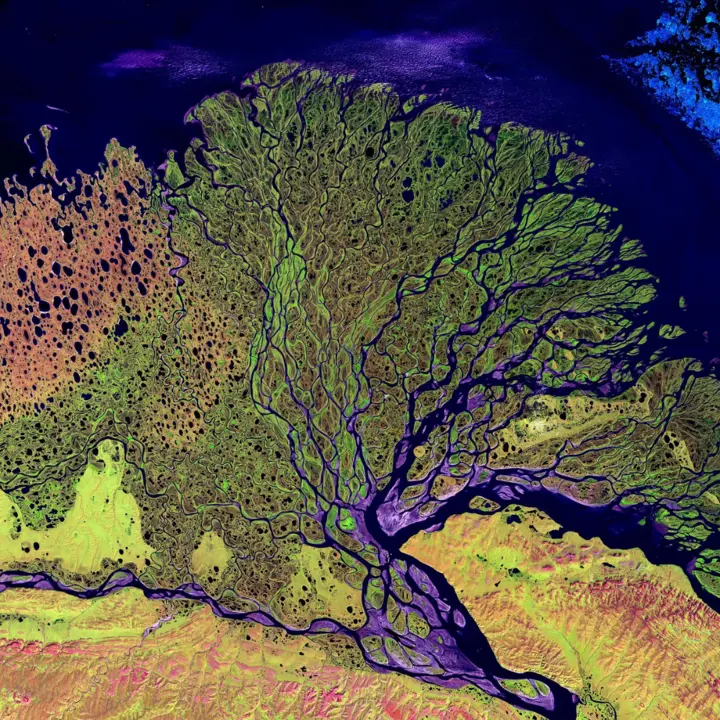
Freshwater flows from rivers reduce ocean salinity in areas near estuaries, as rivers carry fresh water, reducing salt concentration in coastal areas. For example, the Amazon and Ganges bring vast amounts of fresh water to the Atlantic and Indian Oceans respectively, leading to localized areas with less salinity near their flows.
3- Ocean currents:
Ocean currents redistribute water at different salinities. Warm currents tend to carry saltier water from areas with high evaporation to other parts of the ocean, while cold currents may bring less saline water from the polar regions. For example, saltier waters from the Caribbean and the Gulf of Mexico move north to the North Atlantic, where they mix with less saline waters.
4- Ice formation and melting:
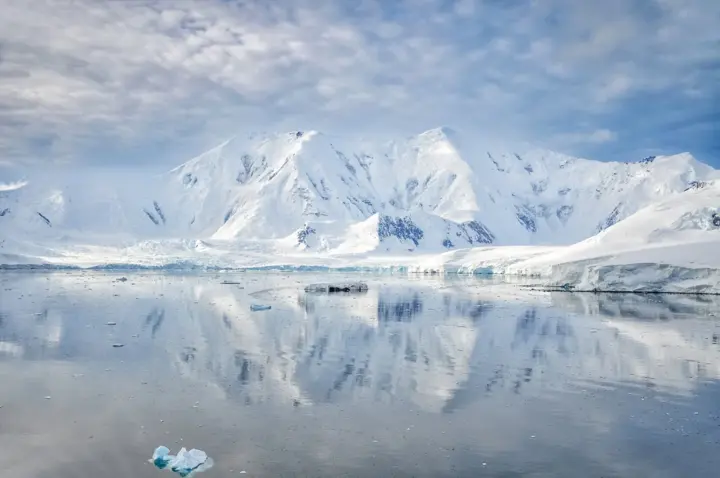
In the polar regions, when sea ice forms, salt does not freeze with water and remains in the surrounding seawater. This process increases the salinity of water in the polar regions. For example, the Arctic and Antarctic Oceans can have higher salinity near areas of sea ice formation. On the other hand, melting ice reduces salinity, as when icebergs or sea ice melt, fresh water is released into the ocean, reducing the salt content in the surrounding areas. For example, during the summer months, melting sea ice in the Arctic Ocean leads to fresher and less salty water.
5- Temperature:
Temperature affects salinity indirectly by affecting evaporation and mixing. Warmer water tends to promote more evaporation, increasing salinity, while cooler water tends to retain more fresh water, resulting in lower salinity. Warmer oceans often appear in subtropical and tropical regions, such as the Indian Ocean, often showing higher salinity in balance with cooler regions.
6- Geography and proximity to land:
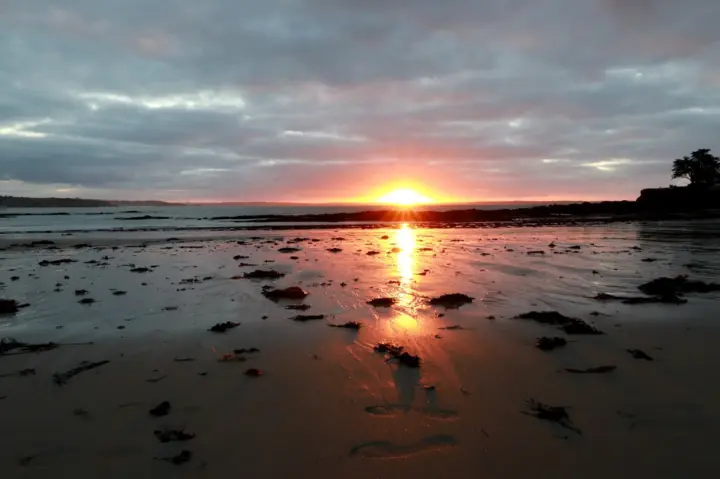
Coastal areas often have varying salinity depending on factors such as proximity to freshwater sources (rivers, glaciers) and the geography of the land. Closed seas and bays with limited exchange with the open ocean can have different salinity levels than open ocean waters, for example, the Mediterranean Sea has a higher salinity than the Atlantic Ocean because it is a semi-enclosed sea with high evaporation and limited flow of fresh water from rivers.
7- Underwater thermal vents and volcanic activity:
Underwater thermal vents release minerals, including salts, into the surrounding seawater, which can affect local salinity. These vents are common along hills in the middle of the ocean and areas of volcanic activity. Although the overall impact on global ocean salinity is minimal, water in the local areas surrounding these vents may be saltier due to the high concentration of dissolved minerals.
8- Human Activities:
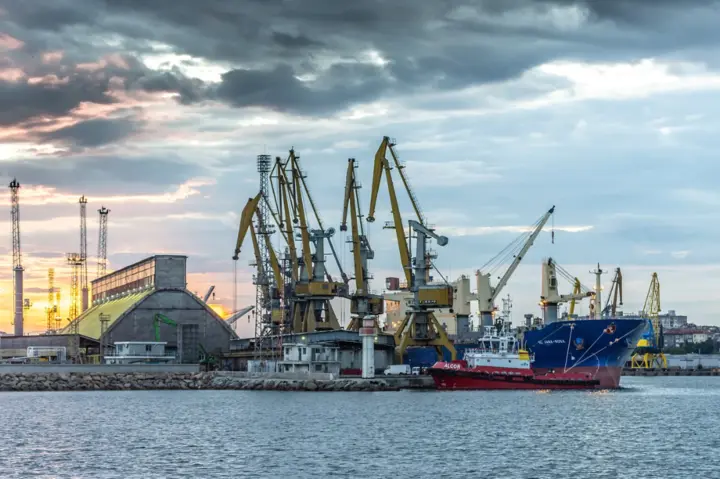
Although they are not as important as natural processes, human activities such as desalination plants, industrial wastewater discharge, and dam construction on rivers may have local impacts on ocean salinity. For example, desalination plants re-release concentrated salt water back into the ocean, which can increase salinity in neighboring areas.
Regional examples of salinity differences:
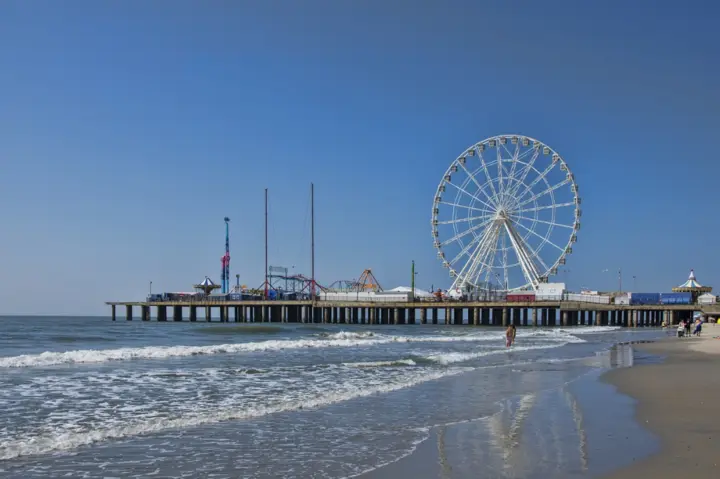
Atlantic Ocean: The Atlantic Ocean generally has a higher salinity than other oceans due to high evaporation rates and a lower amount of fresh water received from rivers. The North Atlantic in particular has some saltier water due to warm currents and low rainfall.
Indian Ocean: The northern part of the Indian Ocean has less salinity due to monsoon rains and freshwater flows from large rivers such as the Ganges.
Pacific: The Pacific Ocean has a greater diversity of salinity, with low salinity in the tropics (due to heavy rainfall), and higher salinity in the subtropics where evaporation exceeds rainfall.
Red Sea: This sea is one of the saltiest bodies of water, with salinity reaching 40 parts per thousand, due to the combination of high evaporation and small fresh water flow from rivers or rainfall.
Ocean salinity is influenced by a complex interaction between natural processes including evaporation, precipitation, river flows, ocean currents, ice formation and melting, temperature, and geographic factors. These processes vary across different parts of the world, resulting in distinctive salinity patterns observed in different oceans and seas.
![]()
Mount St. Helens blast and rebirth
Mount St. Helens, once shattered by a deadly eruption in 1980, now stands as a powerful symbol of nature's recovery. From barren ash fields to thriving ecosystems, it shows how life returns. Today, it draws visitors eager to witness Earth’s healing and learn from its remarkable transformation. more- ADVERTISEMENT
![]()
What is the coldest place in the solar system?
The coldest natural spots in our solar system might be double-shaded craters at the Moon’s south pole, with temperatures around 25 K—colder than Pluto. These craters avoid all sunlight, trapping extreme cold for billions of years and possibly preserving water ice and other volatile compounds. more- ADVERTISEMENT
![]()
You can train your brain to increase your attention span, and here's how
Distractions are everywhere, but by building better habits—like getting enough sleep, keeping your phone out of reach, and taking mindful breaks—you can train your brain to stay focused longer and boost your productivity throughout the day. more- ADVERTISEMENT
![]()
The most important job market skills - how to become a video editor and montage?
Video editing is a highly valued skill, second only to graphic design in freelancing. It demands real passion, strong hardware—especially a powerful computer—and continuous learning. Starting with simple tools like Canva or Filmora helps build solid basics before moving to pro software like Premiere Pro or Final Cut Pro. more- ADVERTISEMENT
![]()
The most expensive mistakes in history
The most expensive mistakes in history more- ADVERTISEMENT
![]()
Due to lack of funding, old NASA may be on an unsustainable path
Underfunded, aging NASA may be on unsustainable path more- ADVERTISEMENT
![]()
Dubai Frame... Greatness lies in simplicity
Dubai Frame is a stunning landmark in Dubai offering breathtaking panoramic views from its transparent glass bridge. Visitors can journey through time with exhibitions showcasing Old Dubai, present-day marvels, and a futuristic vision of the city, all using immersive technology and interactive experiences—plus, coffee 150 meters above ground! more- ADVERTISEMENT
![]()
First Steps to Investing: Practical Tips to Build Your Wealth
Starting your investment journey? Learn the basics, explore different asset types, and build a balanced plan tailored to your goals and risk tolerance. Stay patient, diversify wisely, and avoid common mistakes like investing with borrowed money. Smart moves now can shape a brighter financial future. more- ADVERTISEMENT
![]()
Unexpected reading and writing skills in people with autism
Many non-speaking autistic individuals show surprising reading and writing abilities, revealing untapped literacy potential. Through innovative tests, researchers found that over half could understand written language patterns, challenging long-standing assumptions and opening new paths for communication, education, and inclusion. more- ADVERTISEMENT
![]()
Moving forward still represents progress: trusting the process and taking my own best advice
Moving forward still represents progress: trusting the process and taking my own best advice more- ADVERTISEMENT