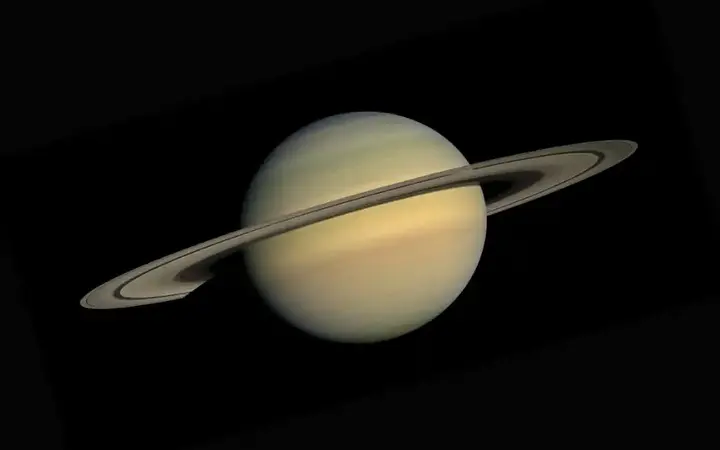


NASA rover discovery points to ancient microbial life on Mars



NASA's ongoing exploration of Mars has allowed it to get closer to answering one of humanity's deepest questions: Is there extraterrestrial life? NASA's endeavors to explore Mars have resulted in groundbreaking discoveries, including interesting hints about ancient microbial life. The missions of the rover, especially the Perseverance rover, have provided compelling evidence suggesting that Mars may once have been habitable. This article delves into NASA's rovercraft journey, its important findings, and the potential implications for our understanding of extraterrestrial life.
Show key points
- NASA's Perseverance rover, equipped with advanced scientific tools, was launched to explore Mars and search for signs of ancient microbial life.
- The rover successfully endured a complex seven-month journey through space and an intense landing sequence to reach the Jezero Crater, a promising site for past habitability.
- Groundbreaking discoveries made by Perseverance include the detection of organic molecules and rock formations that resemble stromatolites, hinting at possible ancient life.
- ADVERTISEMENT
- Previous missions like Viking, Spirit, Opportunity, and Curiosity laid the essential groundwork that led to the design and objectives of the Perseverance rover.
- Findings from Jezero Crater, once believed to be a lakebed, are helping scientists understand the environmental conditions that might have supported life.
- The suggestion that Mars may have once supported life significantly impacts our understanding of life’s existence beyond Earth, raising new questions for future exploration.
- NASA is already planning future missions, including the Mars Sample Return project, to retrieve and analyze material collected by Perseverance for deeper scientific insight.
1. NASA's rover.
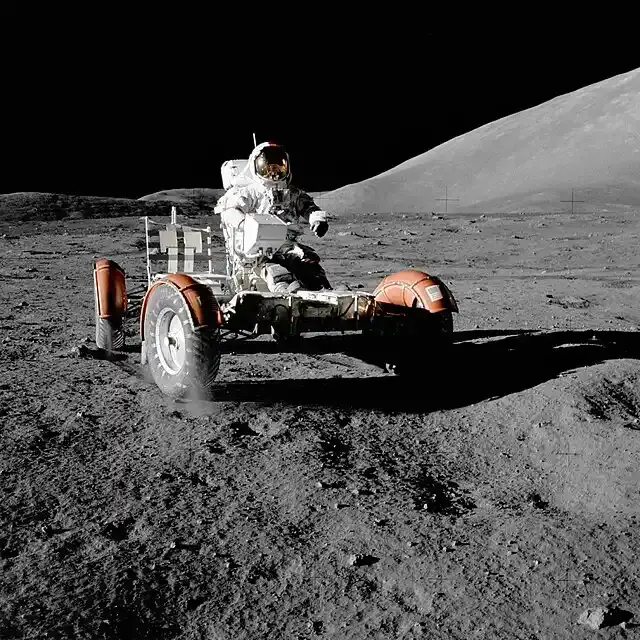
NASA's Perseverance rover is an advanced scientific robotic vehicle designed to explore the surface of Mars and look for signs of ancient life. It was launched on July 30, 2020, and landed on Mars on February 18, 2021. The Perseverance rover is one of the engineering wonders designed to withstand the harsh environment of Mars. This rover is equipped with cutting-edge technology, including cameras, spectrometers and rigs, allowing it to analyze the surface of Mars with unprecedented accuracy and even produce oxygen from the Martian atmosphere. The rover is built from durable materials to withstand the high temperatures, radiation and rugged terrain of Mars. It was built as a result of decades of research and development, incorporating lessons learned from previous missions such as Spirit, Opportunity and Curiosity.
Recommend


2. Journey to Mars.

Perseverance's journey to Mars was a carefully planned mission, involving a complex launch and entry sequence. It begins with launch, where the rover is propelled into space aboard a powerful rocket. The spacecraft traveled about 300 million miles and endured a seven-month journey through space. Upon arrival at Mars, the rover must survive the horrific sequence of entry, descent, and descent. The final descent and landing, known as "Seven Minutes of Terror," included a heat shield, a hypersonic parachute, and a celestial crane to gently land the rover on Mars in Jezero Crater, a site chosen because life could one day exist.
3. Preparatory expeditions that led to the Perseverance voyage.
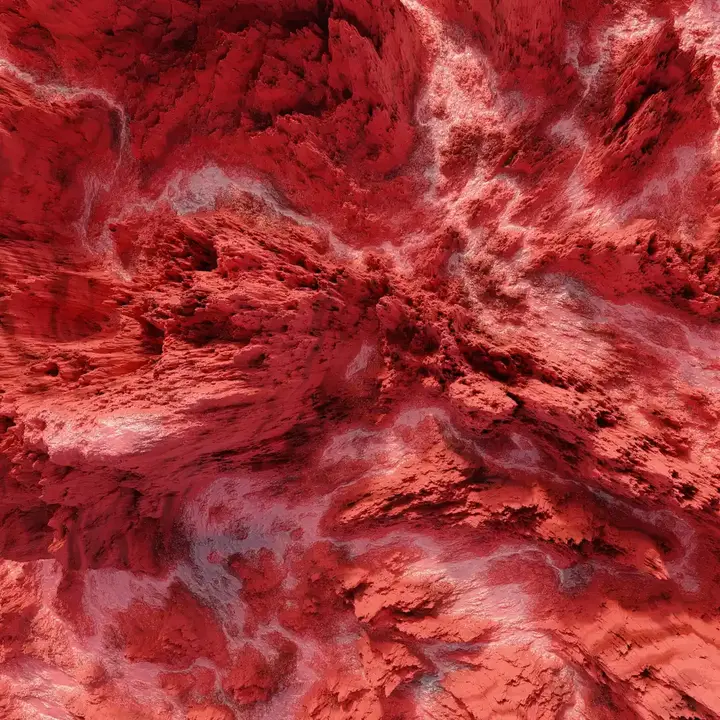
The success of the journey of the Perseverance vehicle depends on the achievements of its predecessors. NASA's Mars Exploration Program was a step-by-step journey, with each mission laying the groundwork for the next one. Viking missions in the seventies were the first to look for signs of life on Mars. Spirit and Opportunity, launched in 2003, discovered evidence of water activity in the past, while Curiosity, which landed in 2012, found organic molecules and other conditions favorable to life. These expeditions collectively paved the way for the journey of the Perseverance rover, which was specifically designed to look for signs of ancient microbial life.
4. Explore the Jesro crater.

The Jesro crater, the landing site of the Perseverance spacecraft, is believed to have been once a lake. The ancient river delta in this crater and mud-rich sediments provide an ideal environment for the search for former microbial life. Perseverance instruments were meticulously analyzing these geological features, looking for organic compounds and other biomarkers.
NASA's Perseverance rover (shown in part in the foreground) explores an ancient river delta that once flowed into Jesro Crater, where a rock of interest to NASA was discovered. The rock is located in the area slightly to the right of the center of the image, about 110 meters from the rover
5. Discoveries indicating the existence of ancient microbial life.
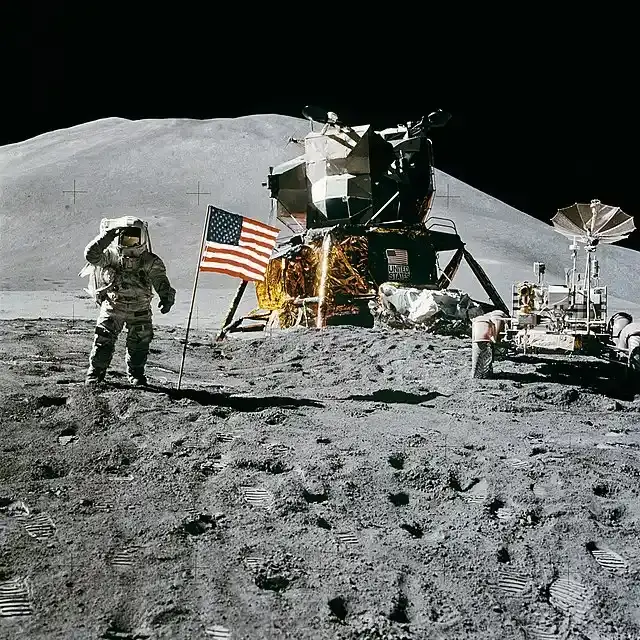
The most convincing evidence of the existence of ancient microbial life has come from the discovery of organic molecules in Martian soil and rock samples. These organic compounds, while not conclusive evidence of life, are possible building blocks suggesting that Mars may have once harbored living organisms. In addition, the probe identified patterns in rock formations that resemble stromatolites, stratified structures created by microbial communities on Earth.
NASA's Perseverance rover has discovered a rock on Mars that may have once hosted microbial life. The rock, nicknamed Cheyava Falls, has chemical compositions and compositions that may have been formed from ancient life, although non-biological processes cannot yet be ruled out.
6. Effects of discovery.

Suggestions of ancient microbial life on Mars have profound implications for science and for understanding the potential of extraterrestrial life. If Mars once supported life, this suggests that life is not unique to the planet, and may be common throughout the universe. This discovery could also inform the search for life on other celestial bodies, such as the icy moons of Jupiter and Saturn.
This graph shows astrobiologists indexing a seven-step scale, called the Confidence of Life Detection CoLD, to look to see if the sample taken could indicate life. The "Chihuava Falls" sample is an example of the first step: "detecting a potential signal." A lot of additional research needs to be done to learn more.
7. Prepare for future missions.
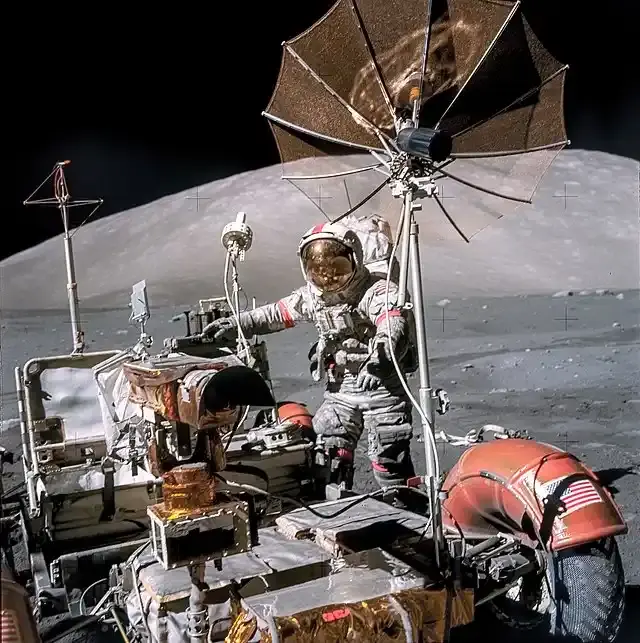
Based on the results of the Perseverance rover, future missions are planned to further explore Mars and return samples to Earth. NASA's Mars Sample Return mission aims to collect samples stored by Perseverance and return them for detailed laboratory analysis. Such missions will provide deeper insights into the history of the planet and the possibility of previous life.
8. Wider impact on space exploration.
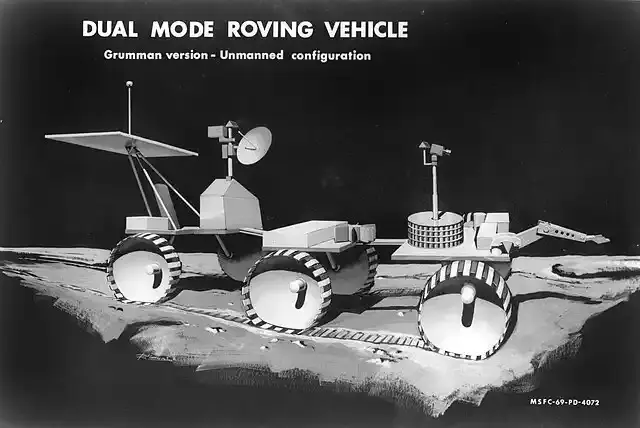
The potential discovery of ancient microbial life on Mars could revolutionize space exploration. This would prompt the development of new technologies and missions aimed at uncovering the mysteries of the universe. Opportunities for international cooperation may also increase, as the search for extraterrestrial life has become a global scientific priority.
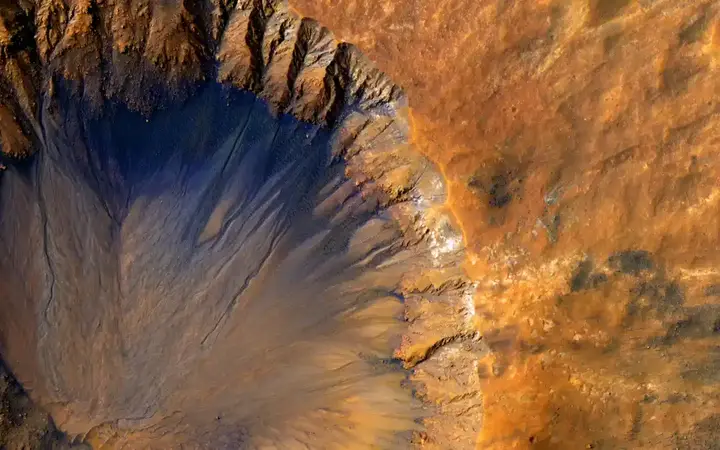
NASA's Perseverance rover has opened a new chapter in Mars exploration, offering promising hints of ancient microbial life. These discoveries challenge the understanding of life and its potential distribution in the universe. As we continue to explore Mars and beyond, the effects of finding life elsewhere will profoundly affect science, philosophy, and the view on humanity's place in the universe. The journey has just begun, and the future holds exciting possibilities for uncovering the secrets of the solar system.
![]()
The most fascinating discoveries we have made to explore Jupiter
Jupiter’s Great Red Spot, a massive storm lasting centuries, and the mysterious, possibly liquid core make it a planet full of extremes. Its moons—especially Europa with its hidden ocean—offer exciting clues about extraterrestrial life. With Juno and upcoming missions, the future of exploring this gas giant looks thrilling. more- ADVERTISEMENT
![]()
A book you may be interested in: Dopamine fasting
A book that might interest you - Dopamine Fast more- ADVERTISEMENT
![]()
Success Guide – How to turn your presentation into an exciting story?
Success Guide – How to turn your presentation into an exciting story? more- ADVERTISEMENT
![]()
Why does the Arab lands have so much oil?
Arab countries hold vast oil and gas reserves, with fields like Saudi Arabia’s Ghawar and Safaniya standing out for size and output. Their conventional oil is easier to extract and purer than other types. This wealth stems from rich ancient biodiversity buried under the region's lands over millennia. more- ADVERTISEMENT
![]()
A book that may interest you - stop pleasing others
A book that might interest you - Stop People Pleasing more- ADVERTISEMENT
![]()
Does pregnancy accelerate "biological aging"?
A study in the Philippines found that pregnancy may speed up biological aging in women, with each pregnancy linked to about 4 to 4.5 months of aging. This effect wasn't seen in men, and varied depending on context. Researchers hope these insights might guide future anti-aging treatments. more- ADVERTISEMENT
![]()
The most important job market skills - how to become a video editor and montage?
Video editing is a highly valued skill, second only to graphic design in freelancing. It demands real passion, strong hardware—especially a powerful computer—and continuous learning. Starting with simple tools like Canva or Filmora helps build solid basics before moving to pro software like Premiere Pro or Final Cut Pro. more- ADVERTISEMENT
![]()
How can I stop wasting time?
Distractions like phones and social media eat up your time. Create routines, set priorities, and work in focused time blocks. Keep your phone silent, avoid multitasking, and believe in yourself to overcome procrastination. Small changes can make your days much more productive. more- ADVERTISEMENT
![]()
Navigating the Chaos: From Chaos to Stability in Life
Chaos is a natural part of life, often unavoidable but not unmanageable. With tools like mindfulness, time management, and support systems, individuals can reduce its impact and find stability. It's less about eliminating chaos and more about adapting to it wisely for a more balanced life. more- ADVERTISEMENT
![]()
Medical foods in Vietnam: amazing, embarrassing, and puzzling
In Vietnam, food is more than nourishment—it's tied to ancient beliefs. One odd belief warns against pairing chicken with lemon mint leaves, thought to cause leprosy-like symptoms. Though not dangerous, it may cause discomfort. Traditional dietary therapy blends food with yin-yang balance, offering deeper awareness of health and lifestyle. more- ADVERTISEMENT