

Nature's Fury: How Tornadoes Compare to Other Natural Disasters



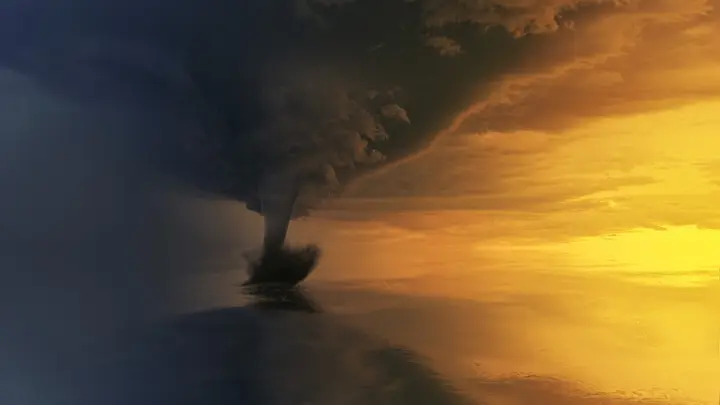
Natural disasters are one of the phenomena that threaten the life of humanity and cause enormous loss of property and lives. Among these disasters is the "wrath of nature" manifested in hurricanes, one of the most dangerous natural disasters to afflict humanity. In this article, we will compare hurricanes with other natural disasters, and review the distinctive characteristics of these powerful storms that leave an unforgettable impact on humans and the surrounding environment.
Show key points
- Hurricanes are among the most destructive natural disasters, causing significant damage to infrastructure, property, and human life.
- These storms form over tropical oceans due to the evaporation of warm waters and are characterized by intense wind speeds and low air pressure at their core.
- There are different types of hurricanes, such as the Atlantic "hurricane" and the Pacific "typhoon", each varying in strength and impact.
- ADVERTISEMENT
- Compared to other natural disasters, hurricanes generate higher wind speeds and broader environmental destruction, including power outages, flooding, and tsunamis.
- Technology plays a vital role in tracking hurricanes and issuing timely warnings through satellites, radar systems, and mobile applications.
- Raising environmental awareness is essential for hurricane preparedness, encouraging proactive community involvement and global cooperation to mitigate damage.
- Governments and global communities must work together to strengthen infrastructure, improve emergency response systems, and combat climate change to reduce the frequency and intensity of hurricanes.
Definition of hurricanes and their types
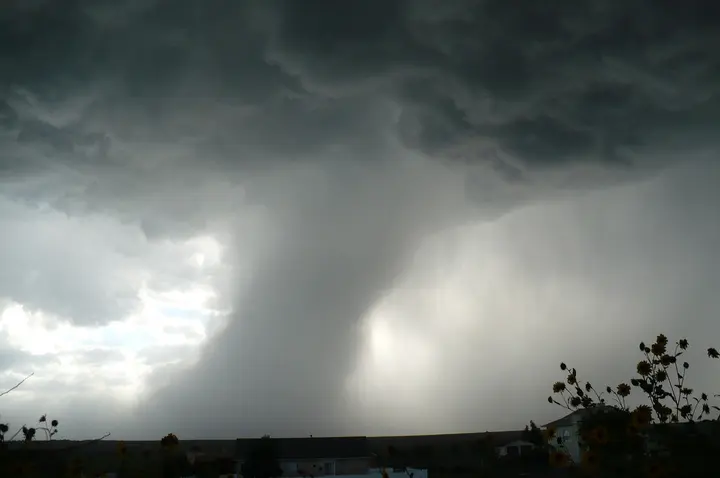
Hurricanes are a powerful and destructive natural phenomenon that poses a major challenge to humanity. These storms are characterized by strong winds that move at tremendous speeds, and may reach thousands of kilometers per hour. In general, hurricanes can be defined as strong storms that form over tropical and tropical oceans, created by the evaporation of warm waters and the formation of clouds, lightning and thunder.
Recommend


Hurricanes are divided into several types, varying in strength, size and impact on the environment and human life. One well-known type of hurricane is a "hurricane", a powerful rotating storm that originates over tropical oceans and moves toward nearby lands. Hurricanes are characterized by strong winds ranging from 119 to 240 kilometers per hour.
On the other hand, hurricanes that form over the Pacific Ocean are known as "hurricanes" and are considered the strongest and most destructive hurricanes on Earth. Tornadoes feature an eye in the middle of a storm surrounded by a wall of rainclouds and thunderstorms that spin at tremendous speed. The wind strength in hurricanes reaches more than 250 kilometers per hour, making them very strong and destructive.
Although hurricanes can be devastating, scientists and officials are constantly working to improve strategies to predict and warn of their negative impact on affected communities. It is important to make efforts to promote public awareness about hurricanes and their catastrophic impact and to provide guidance and instructions to respond effectively to them.
Damage caused by hurricanes compared to other natural disasters
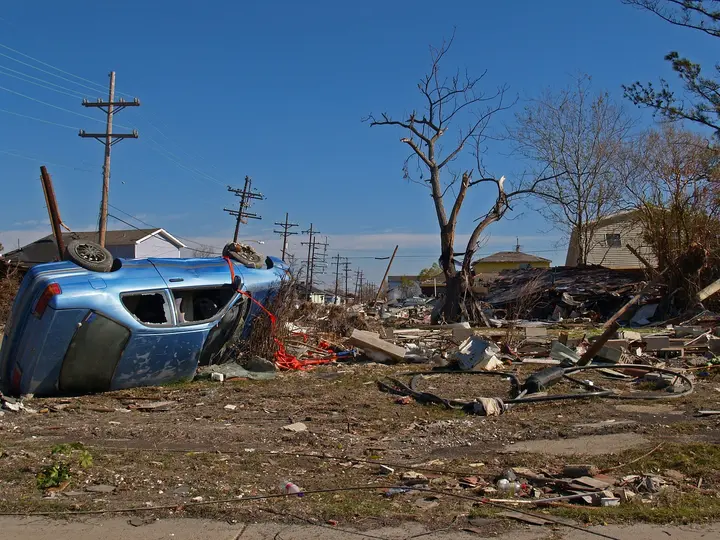
Damage caused by hurricanes compared to other natural disasters: doom and destruction among the wrath of nature
Hurricanes are one of the most serious natural disasters sweeping across different regions around the world, causing enormous damage including the loss of human lives and the destruction of property and infrastructure. We can understand the seriousness of hurricanes when we compare them to other natural disasters that may occur, so what damage do hurricanes cause compared to other disasters?
Starting in size and strength, hurricanes are characterized by tremendous wind speeds that exceed those of most other disasters. While wind air can weigh up to 300 pounds in a powerful thunderstorm, hurricanes can have wind speeds of more than 200 miles per hour, with low air pressure at the center of the storm producing deadly effects.
The enormous wind speed in hurricanes causes massive destruction of homes, installations and infrastructure. Trees shatter and roofs are torn, causing houses and entire buildings to collapse. In addition, strong winds cause power outages and damage to communication lines, isolating the affected areas from the outside world and making rescue and relief operations more difficult.
But the damage caused by hurricanes is not limited to strong winds, heavy rains and hail in these high storms can cause flooding and flooding of surrounding areas. The accumulation of water can lead to heavy losses to property and agricultural crops, affecting the economy and having a negative impact on the local population.
Moreover, hurricanes can result in the formation of giant waves known as "tsunamis", which pose a significant threat to coastal areas. A tsunami can completely devastate coastal villages and cities, and hurricane storms are among the most serious threats coastal areas can face.
In general, hurricanes are arguably one of the most dangerous natural disasters for humanity, sweeping at terrible speed and leaving behind enormous destruction. Despite advances in research and technology, it is still difficult to accurately predict the nature and trajectory of hurricanes. We must work together as a global community to strengthen our preparedness and raise the level of early warnings to reduce the loss and destruction caused by these devastating natural disasters.
Wind speed and air pressure in hurricanes
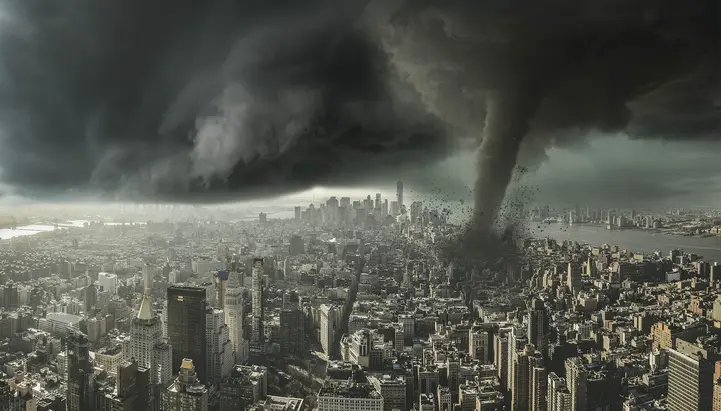
Hurricanes have tremendous wind speeds that reach dangerous levels, as the average wind speed in hurricanes can exceed 200 kilometers per hour. These tremendous speeds make hurricanes a force that cannot be ignored, causing massive destruction to homes, infrastructure and agricultural crops, and threatening human lives.
In addition to the high wind speed, hurricane formation is characterized by low air pressure at the center of the storm, which is called "Al Ain", which is surrounded by a strong "storm wall" that consists of high winds. The air pressure in the eye is very low and can reach record levels. This low pressure contributes to an increase in the strength and cohesion of hurricanes and their acceleration.
Wind speed and air pressure in hurricanes are the most important factors that determine their strength and impact. To improve the ability to predict hurricanes and provide early warnings, sophisticated monitoring systems such as satellites and radars are used. Hurricane models are also being developed in meteorological laboratories to provide accurate reports that help make early evacuation decisions and protect against potential damage.
Given high wind speeds and low air pressure, public awareness should be aware of the ability of hurricanes to destroy everything in their path. Therefore, relevant authorities and communities at risk of hurricanes must plan to reduce potential negative impacts. By prioritizing early warnings, as well as providing safe haven places, communities can minimize the impact of these devastating natural disasters and preserve human lives and property.
Hurricanes and their impact on countries and societies
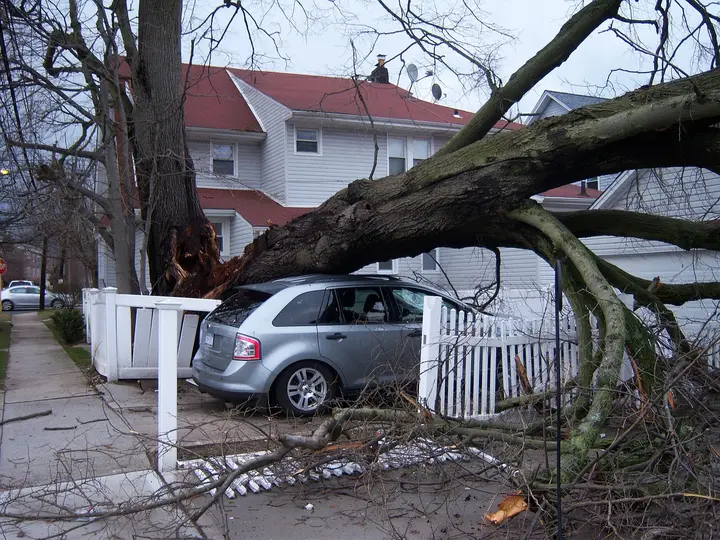
Hurricanes are among the most destructive natural disasters affecting countries and societies. These storms not only destroy buildings and infrastructure, but also affect the economy, public health and human lives in general.
Hurricanes are characterized by the strength of their strong winds and rainstorms that sweep through lands and coastal areas. These storms cause enormous damage, demolishing buildings, bulldozing cars and uprooting trees, resulting in the loss of homes, personal belongings and businesses. Because hurricanes can last for a long time, the economic impact is catastrophic, with businesses halted, supplies disrupted and transportation disrupted.
In addition to material losses, hurricanes also affect human health. Hurricane storms can cause flooding and landslides, increasing the risk of injury and death. Cyclones also disrupt electricity and potable water services, putting residents at risk of disease and poor sanitary conditions.
Countries and communities that are frequently exposed to hurricanes are in dire need of support and assistance. Governments should allocate sufficient resources to strengthen infrastructure, improve early warning systems, and develop contingency plans. In addition, volunteerism and international assistance play a vital role in providing support and assistance to affected communities and rebuilding disaster areas.
Given the fierce hurricanes that are increasingly hitting the world, it is imperative that nations and societies be prepared for these natural disasters. Governments and international organizations should intensify their efforts to promote early warnings, promote scientific research on hurricanes, and provide training and awareness to the population on safety and contingency plans. Only through strong international cooperation and coordinated response efforts can the international community effectively address the repercussions of hurricanes and reduce their devastating impact on nations and societies in the future.
The pivotal role of technology in the face of hurricanes
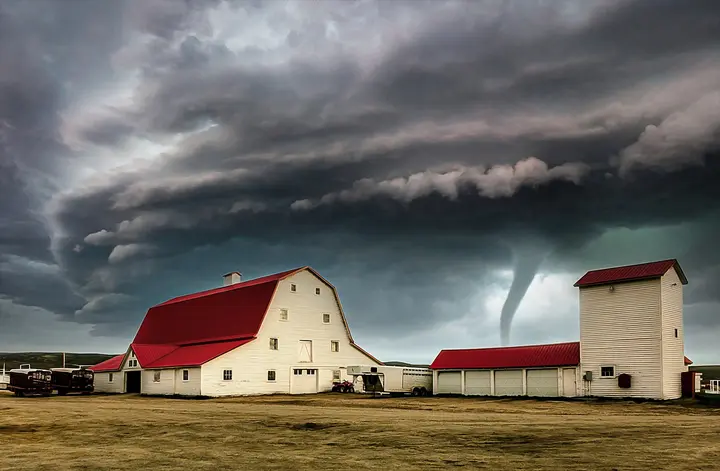
In a world where technological progress is constantly accelerating, technology has become pivotal in addressing many challenges, including deadly hurricanes. The use of technology is of great importance in reducing the impact of these natural disasters on people and societies.
Modern technology offers a wide range of tools and applications that enable us to accurately predict and analyze the trajectory and strength of hurricanes. Thanks to advanced satellites and radar systems, hurricanes can be monitored from afar and live data collected about them, helping to determine when and where they will impact before they occur.
Modern technology provides effective communication and coordination tools in emergency situations. Electronic systems and mobile applications can enable stakeholders to quickly exchange important information, coordinate actions to evacuate populations and provide safe shelters.
Technology can contribute to promoting early warning and effective guidance to populations. Through smartphone apps and early warning systems, cyclone-prone communities can be warned quickly and accurately, allowing them enough time to take preventive measures.
Moreover, modern technology provides advanced infrastructure systems that contribute to minimizing the damage caused by hurricanes. Through the use of strong wind-resistant building materials and innovative engineering designs, the destruction caused by hurricanes can be minimized, thereby reducing physical and human losses.
Despite advances in technology, there are still many challenges to face. Improving existing systems and developing new technology remains crucial in the face of hurricanes. Public awareness of the importance of technology in responding to these disasters must be promoted and adequate funding for future research and innovation must be secured.
Using technology as a powerful tool, humanity can enhance its ability to weather hurricanes and fend off nature's wrath. Through innovation and the use of existing technology, we can make real progress in reducing the negative impacts of these disasters and protecting human lives and the surrounding environment.
The role of environmental awareness in reducing the impact of hurricanes
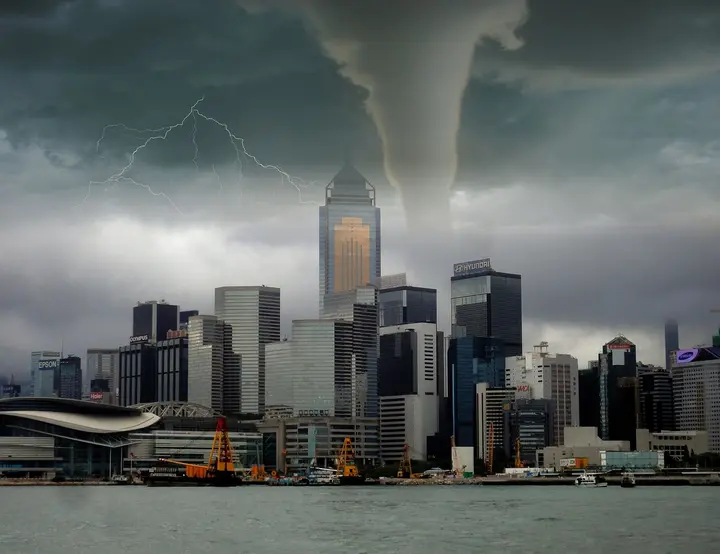
Hurricanes, those powerful natural disasters that ravage countries and cause immense destruction, pose a great challenge to humanity. In order to reduce the impact of these massive storms, environmental awareness plays a crucial role in enhancing human preparedness for these disasters and reducing human and environmental losses.
The effectiveness of environmental awareness in reducing the impact of hurricanes depends on several essential elements. First, there must be a deep understanding of the nature of hurricanes and how they form and evolve. This requires providing scientific and reliable information to communities vulnerable to these disasters, so that individuals can recognize and prepare for signs and warnings that hurricanes are approaching.
In addition, logistical support and infrastructure must be in place to respond to hurricanes. This includes establishing safe havens, developing evacuation plans, and mobilizing emergency medical and humanitarian resources. Relief teams and cyclone officials should be regularly trained to ensure a rapid and effective response to disasters.
In addition, individuals and communities must be proactive and cooperative in the area of hurricane protection. Encourage community participation in the development of contingency plans and organize exercises and practices for proper management in hurricane situations. In addition, awareness should be stimulated by preventive measures such as proper handling of buildings and trees and ensuring that volatile objects are secured during storm periods.
At the global level, there must be joint efforts to address climate change and global warming, as these factors contribute to the increased strength and frequency of hurricanes. This requires joint action between countries and international organizations to contribute to the implementation of agreements to protect the environment and reduce greenhouse gas emissions.
In the end, it can be said that environmental awareness plays an important role in reducing the impact of hurricanes. By providing the necessary information and infrastructure, promoting awareness and good preparation, humanity can reduce losses and preserve life and property in the face of these severe disasters.
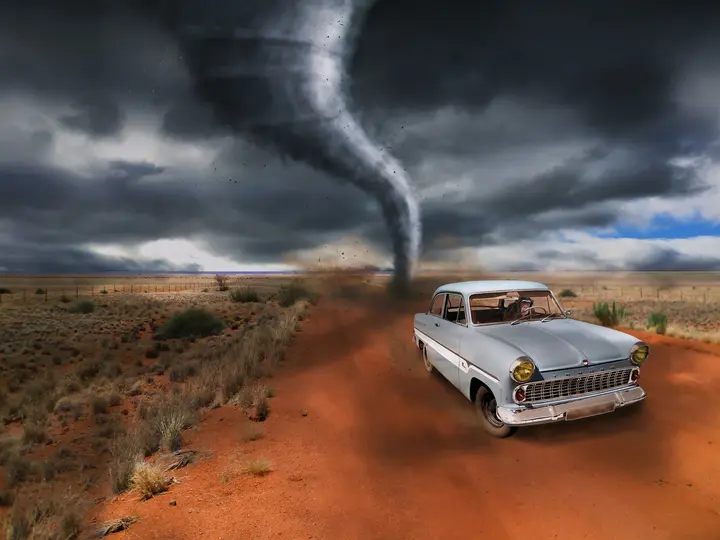
Hurricanes are arguably among the natural disasters that cause enormous damage to humans and the natural environment, and global efforts to address these disasters must be strengthened. By leveraging advanced technology and scientific research, humanity can prepare for hurricanes and reduce their negative impact on people's lives. As in any other natural disaster, environmental awareness plays a crucial role in predicting hurricanes and taking measures to reduce their impact. The cooperation of nations and communities and joint efforts towards prevention and improvement is key to addressing these natural disasters and protecting humanity from the wrath of nature.
![]()
Honoring Arab-American Heritage, Stories and Changemakers
Arab Americans have shaped U.S. culture for centuries, with waves of immigration starting in the 19th century. Today, they lead in law, literature, comedy, and medicine—like poet Khalil Gibran and comedian Maysoon Zayed. In 2022, April was officially designated as Arab-American Heritage Month to celebrate their contributions. more- ADVERTISEMENT
![]()
Beyond Burj Khalifa: Uncovering the Spirit of Dubai through its Metro
Dubai Metro isn't just a ride—it's a futuristic journey wrapped in art, culture, and record-breaking feats. From Wi-Fi on board to stations named after shops, it’s where innovation meets daily buzz. Just don’t fall asleep, or it might cost you AED 300! more- ADVERTISEMENT
![]()
Integrating AI with Biotechnology – Concerns and Advantages
AI and biotechnology together are changing the game—speeding up drug discovery, improving diagnosis, and creating personalized treatments. They’re also boosting sustainable farming and designing smart materials. While full of promise, there are real concerns about privacy, bias, and job loss that demand careful attention and strict ethical guidelines. more- ADVERTISEMENT
![]()
Jobs that will disappear and others that are needed due to artificial intelligence
AI is evolving fast, replacing many jobs that involve routine tasks like data entry, customer service, and even accounting. But instead of fear, this shift brings new opportunities in fields like AI development, cybersecurity, and creative innovation—where human skills in critical thinking and empathy are more needed than ever. more- ADVERTISEMENT
![]()
Agadez Historic Centre, a fascinating African heritage site in Niger
Agadez, known as the "Gateway to the Desert," stuns visitors with its towering 27-meter clay minaret—the tallest in the world—and its rich blend of Tuareg culture, desert architecture, and caravan trade history. Its historic center, a UNESCO World Heritage Site, showcases enduring traditions and earthen beauty. more- ADVERTISEMENT
![]()
Things people with emotional intelligence never do
Emotional intelligence helps people understand and manage emotions, leading to better relationships, improved teamwork, and stronger mental health. It can be developed through self-reflection, mindfulness, and active listening. Emotionally intelligent people avoid impulsive actions and build balanced lives with better decision-making and communication. more- ADVERTISEMENT
![]()
Marseille: the city where everyone belongs to another place
Marseille is a vibrant coastal city where cultures from around the world blend in daily life. From Arabic to French and Italian, its streets echo with languages and stories of migration, making it a unique place filled with diverse food, traditions, and peaceful coexistence among its residents. more- ADVERTISEMENT
![]()
Uranus may have a hidden ocean: the discoveries of the James Webb Space Telescope
The James Webb Space Telescope may have discovered a hidden ocean beneath Uranus’ moon Ariel, sparking excitement about possible extraterrestrial life. Its powerful infrared technology revealed water ice, salts, and organics—clues to a potentially habitable environment under the icy surface. more- ADVERTISEMENT
![]()
The Star Marvel: Discovering the Extraordinary in the Milky Way
The star marvel of the Milky Way dazzles with its vivid colors, sparkling structures, and deep mysteries. It's a celestial masterpiece that has inspired scientists and artists alike, blending beauty, culture, and cosmic curiosity into one extraordinary galaxy. more- ADVERTISEMENT
![]()
The Sahara Dilemma: Are Deserts Vital to the Balance of Our Planet?
Deserts may seem lifeless and harsh, but they’re vital to our planet. They store carbon, support unique species, and even help nourish the Amazon Rainforest. Despite their importance, human activities threaten these fragile ecosystems. So yes—deserts matter, and we need them more than we think. more- ADVERTISEMENT