

The Lost Island of Atlantis: Speculation and Mystery



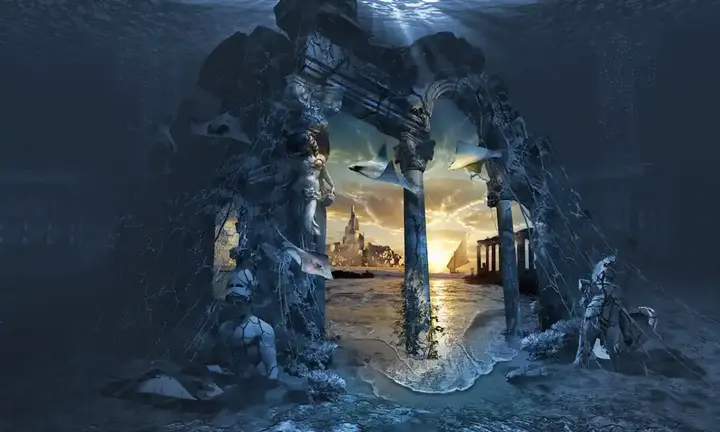
Two sites have been proposed where world-renowned scientists survey the lost city of Atlantis in 2024. As researchers continue to push the boundaries of exploration and archaeology, the search for Atlantis is taking on new dimensions. The use of LIDAR scanning technology and the new interest in space archaeologists have stimulated the search for many of the last remaining hidden places on Earth. Will the lost city of Atlantis be found in 2024?
Show key points
- Two potential sites are being explored in 2024 by scientists using advanced technologies like LIDAR in the ongoing search for the lost city of Atlantis.
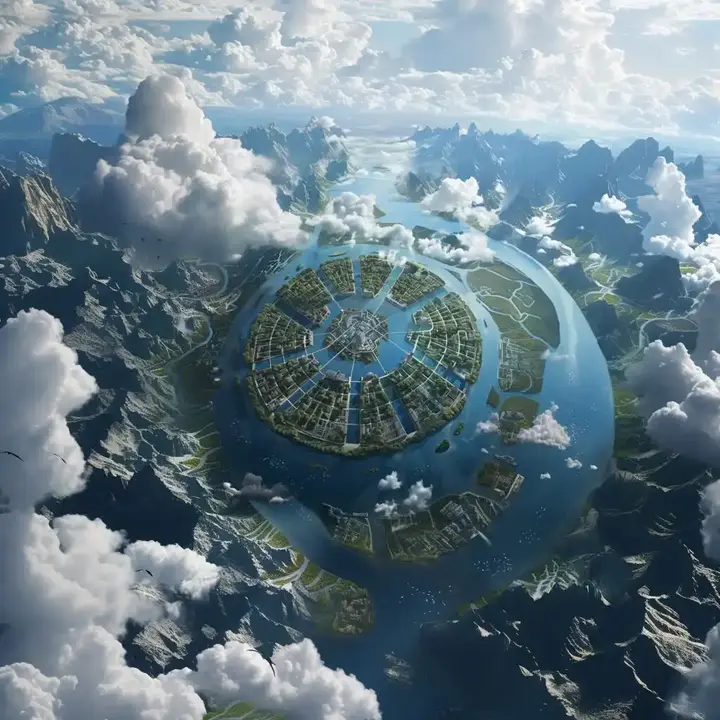
- Plato depicted Atlantis as a vast island larger than Libya and Asia Minor combined, featuring concentric rings of land and water with a central plain.
- Although Plato is a respected philosopher, many scholars interpret his Atlantis story as a metaphor rather than a factual history.
- ADVERTISEMENT
- Atlantis is believed to have existed over 12,000 years ago, around the end of the Younger Dryas period during the late Ice Age.
- Archaeological sites like Göbeklitepe and Magdalene Venus statues showcase the advanced culture and symbolic practices of humans during the same era as the alleged existence of Atlantis.
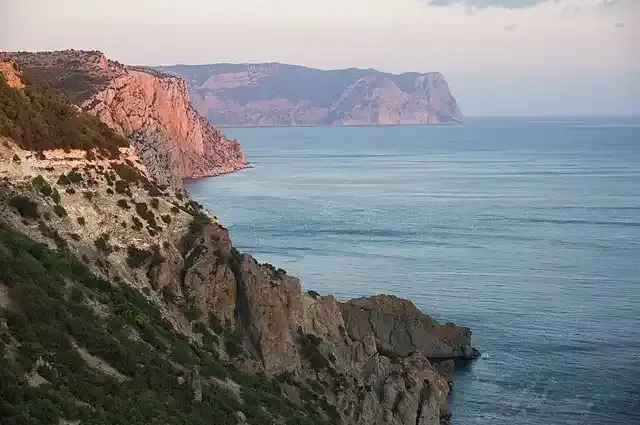
- Proposed locations for Atlantis span the Mediterranean, Atlantic Ocean, and Northwest Africa, based on Plato’s descriptions and geological interpretations.
- Despite the lack of concrete archaeological evidence, the myth of Atlantis continues to inspire global curiosity, debate, and exploration.
Where was Atlantis located before it sank?
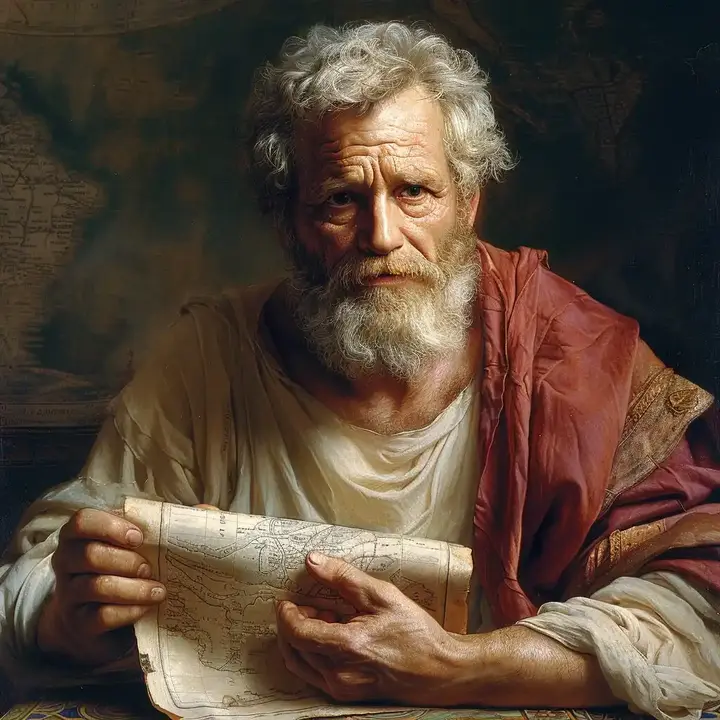
Plato describes Atlantis as a rectangular island that collectively exceeds the size of Libya and Asia Minor, that is, modern-day North Africa and the Middle East. The central plain of Atlantis is said to be rectangular, stretching for approximately 345 miles (555 kilometers) in one direction and 230 miles (370 kilometers) wide. The island was described as consisting of alternating areas of land and sea in concentric rings. The central area comprises the capital, surrounded by alternating rings of water and farmland. Plato mentions the mountains that border the northern and coastal regions, where the central area is a large plain. While these details provide a glimpse into the structure of Atlantis, they do not provide descriptions of the specific architecture, construction methods, or materials used.
Recommend


Plato's credibility: Is the lost city of Atlantis real?
There is no doubt that Plato is a reliable and influential figure in the history of philosophy. Plato's account of the lost city of Atlantis is presented as a philosophical metaphor rather than a historical narrative. Although the description is very accurate and detailed, it makes it difficult to question the prospect of finding Atlantis in 2024. Plato often used this method of language to convey deeper philosophical truths. Most scholars claim that he meant the story of Atlantis to be taken metaphorically, because he wrote in both styles, and we cannot ask Plato exactly "Hello, where is the lost city of Atlantis?" Plato's reports of the lost city were written several centuries after Atlantis' alleged existence and other centuries have passed since Plato's report. The details he used to describe the lost city were based on oral tradition and anecdotal accounts, as was the case with the majority of other historical accounts that turned out to be true. There are no other independent sources or archaeological evidence to confirm Plato's account of Atlantis, leading many to question its historical accuracy. The mystery of Atlantis still captivates the human imagination, but its existence remains a subject of speculation and debate – until it was found.
When did Atlantis appear?
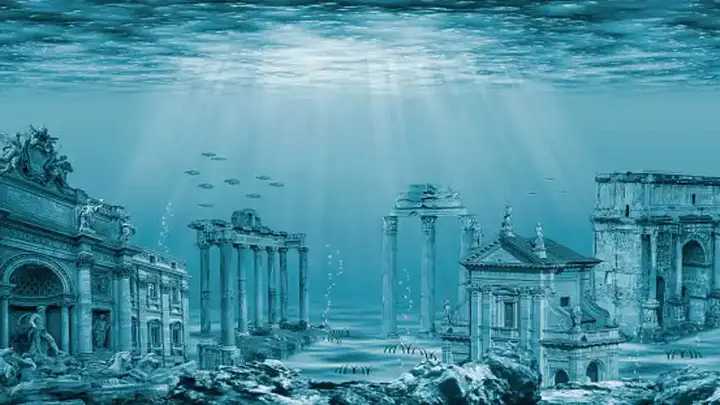
Plato told his account of the lost city of Atlantis 2372 years ago. If we add to this the 9,000 years before its era, we will reach the bitter end of the era of Dreyas the Younger. 12,000 years ago, the Earth was in transition from the last glacial peak in the Pleistocene to the warmer conditions of the Holocene era. This period, known as the Late Ice Age or Dreyas the Younger, was characterized by rapid environmental changes, including fluctuations in temperature, sea levels, and the distribution of flora and fauna. Humans during this time were primarily hunters and fruit gatherers, adapting to changing landscapes and relying on a variety of strategies to survive. In recent years, evidence of human culture in this period has challenged traditional theories about the origins of civilization.
• Gübkelitepe: Gübeklitepe, located in modern Turkey, is an archaeological site dating back nearly 12,000 years. It consists of massive stone columns arranged in circular patterns, making it one of the oldest known monumental structures built by humans. Göbkelitepe's history predates the development of agriculture and complex societies.
• Magdalene Venus statues: The Magdalene period, about 12,000 to 10,000 years ago, saw the creation of small carved statues known as Venus statues. These statues, usually depicting exaggerated female figures, were found at various archaeological sites across Europe. It is believed to have served symbolic or ritual purposes, providing insights into the spiritual beliefs and social practices of prehistoric peoples.
Notable areas searched for the lost city
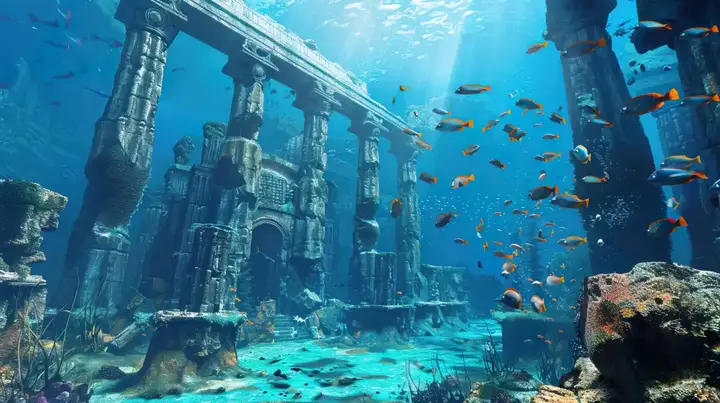
• Mediterranean: This area corresponds to Plato's mention of being "beyond the Pillars of Hercules" (Strait of Gibraltar). Specific sites such as Santorini (Greece), Crete, and Cyprus have been investigated because of their association with ancient civilizations and possible geological events that can be interpreted as the demise of Atlantis.
• Atlantic Ocean: Following Plato's description more literally, searches targeted areas in the Atlantic, including the Azores, the Canary Islands, and even the Caribbean. Some even suggest locations off the coast of Spain or Portugal.
• Northwest Africa: Areas around Morocco and the Rishaat structure have been proposed in Mauritania due to interesting geological formations or interpretations of ancient texts.
The search for the mysterious lost city of Atlantis has captured the minds of adventurers, scientists and dreamers alike. Legends were passed down about a great civilization that flourished amid unparalleled splendor before fading beneath the waves, leaving behind small parts of its glory. Over the centuries, countless expeditions have searched the depths of myth and reality in search of the lost city of Atlantis, and each journey has been shrouded in mystery and excitement.
![]()
Are we living in the most peaceful era in history?
Western Europe may enjoy historic peace, but much of the world still faces war and unrest. While today's crime rates are lower, life in the past held a quiet beauty—slower, simpler, and with deep human connection. Modern life may be safer, but not necessarily more peaceful. more- ADVERTISEMENT
![]()
Hospice of the King's Assistant... Masterpieces of art and color harmony in Kermanshah
The King’s Assistant Hospice in Kermanshah, a Qajar-era gem, shines with vivid tiles and graceful arches. Built for religious ceremonies and tribal reconciliation, it also holds tales of conflict, peace, and deep-rooted Persian hospitality. Today, it stands as a museum and a beautiful reminder of cultural and spiritual legacy. more- ADVERTISEMENT
![]()
Medical foods in Vietnam: amazing, embarrassing, and puzzling
In Vietnam, food is more than nourishment—it's tied to ancient beliefs. One odd belief warns against pairing chicken with lemon mint leaves, thought to cause leprosy-like symptoms. Though not dangerous, it may cause discomfort. Traditional dietary therapy blends food with yin-yang balance, offering deeper awareness of health and lifestyle. more- ADVERTISEMENT
![]()
6 terrible inventions that killed their inventors
6 terrible inventions that killed their creators more- ADVERTISEMENT
![]()
Can you really master a skill by learning for one hour a day?
Can You Really Master a Skill by Learning for One Hour a Day? more- ADVERTISEMENT
![]()
The ten most lonely things in the world
The loneliest whale in the world sings at a frequency no other whale can hear. The only tree in a 400 km stretch of desert was hit by a drunk driver. A little robot named Curiosity sings “Happy Birthday” to itself every year on Mars. more- ADVERTISEMENT
![]()
Despite software piracy - how to win Microsoft?
Despite Windows piracy, Microsoft thrives with massive profits from OEM deals, cloud services like Azure, Office 365, and products like Xbox and Surface. Its strong brand, user base, and constant innovation keep it ahead, while many users still prefer legal software for security and reliability. more- ADVERTISEMENT
![]()
Scientists wonder if the universe looks like a donut cake
Scientists are exploring the universe’s shape and structure, searching for signs of cosmic loops and mirrored galaxies. Using improved CMB maps and powerful telescopes, they aim to uncover if the universe is finite—and perhaps one day map it all, like a cosmic version of Google Earth. more- ADVERTISEMENT
![]()
Al-Ayjah Lighthouse and Castle in the city of Sur in the Sultanate of Oman
With its stunning coastal views and iconic Al-Ayjah Lighthouse, Tyre—also known as Sur—stands as one of Oman’s oldest and most captivating cities. Rich in maritime history, this ancient port once welcomed over 150 ships daily, bridging trade between continents and continuing to shine through its timeless heritage. more- ADVERTISEMENT
![]()
Tsunami Survival Guide: Crucial Tip to Stay Safe
The "Tsunami Survival Guide" offers vital tips on how to detect early warnings, prepare emergency kits, and plan safe evacuation routes. It emphasizes the importance of quick action, staying informed, and knowing where to seek refuge to increase your chances of survival during this powerful natural disaster. more- ADVERTISEMENT