

Are we living in the most peaceful era in history?



In thousands of years of recorded history, have we never really been so prosperous? What are we talking about when we say peace is war? Crime? General satisfaction with the world?
Show key points
- While Western Europe currently experiences unprecedented peace, many other parts of the world continue to suffer from wars and conflicts, highlighting a global disparity.
- The post-Cold War period offered a brief moment of relative global peace, but recent events suggest we have returned to historically normal levels of violence.
- Comparing crime across centuries is challenging due to unreliable historical data, but crime in medieval rural areas may have been lower than modern urban regions.
- ADVERTISEMENT
- Modern life may be less physically demanding and more secure, but it often lacks the simplicity, connection, and tranquility found in ancient communities.
- Technological and societal advancements have created new anxieties and stressors that undermine the modern sense of peace and contentment.
- It's important to recognize that peaceful living isn't solely about the absence of violence but also about meaningful human experiences and emotional well-being.
- While celebrating modern prosperity, we should remain humble and open to learning from the past ways of living that fostered daily peace and fulfillment.
War
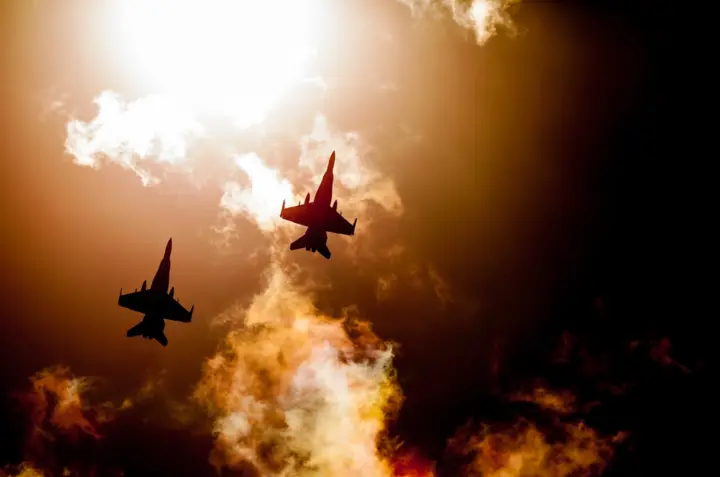
In Western Europe, we can easily say that war is a thing of the past. Western Europe clearly has the lowest military era ever. In the rest of the world, the situation is more complicated. Even the United States does not enjoy an era of historic peace; its involvement in Iraq and Afghanistan has killed thousands of people in the war and the conflict continues to be healthy and healthy. In Africa, recent years have seen countless major conflicts (the Tigray War, multiple wars in Libya and Sudan, the Boko Haram crisis, Islamist rebellions in Algeria, and the Second Congo War), and the Arab Spring has led to devastating unrest and violence across the region, including civil wars in Syria, Iraq, Libya, and Yemen. The Taliban took over Afghanistan, Egypt replaced tyranny with more tyranny, Palestine and Israel again in a deadly conflict; even invasion returned in Ukraine and Russia. When the Cold War ended, there was relative peace in the Middle East between the Gulf War and Iraq/Afghanistan. If we look at everything, that period was historically peaceful but lasted about ten years, a passing statistical period, and now we are already back to normal levels of violence.
Recommend


Crime
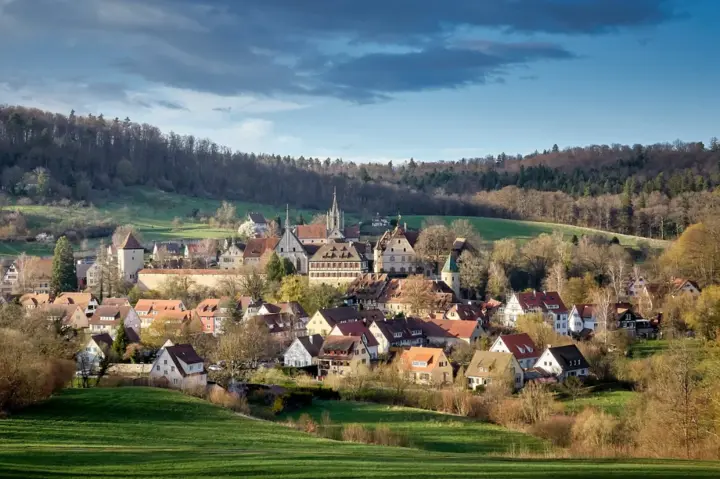
Accurate data on medieval crimes defies any serious analysis. We do not even have reliable estimates of the population of medieval societies. The general scientific consensus is that crime was higher in medieval Europe than it is today, though not on a large scale. Major cities in the United States or Russia are as dangerous as medieval England, and the safer parts of medieval England were probably as safe as the middle city in France or today's England. In medieval Europe, we must bear in mind that although the best data relate to cities (thanks to union registration, voting taxes, and centralized recordkeeping), very few people lived there. Today's societies are largely urban, with most of us living side by side with tens or hundreds of thousands of other people, but the vast majority of people in the Old World were farmers, living in very small communities, such as villages or small villages today. No doubt bandits patrolled rural roads in search of merchants and pilgrims, but we must imagine that petty crime was very low in these small communities, perhaps even less than in today's big cities. As for China and the Middle East, we can argue that levels of petty crime are very low today (certainly much lower than, say, the United States), so they are unlikely to be much lower in the past.
A broader definition of peace
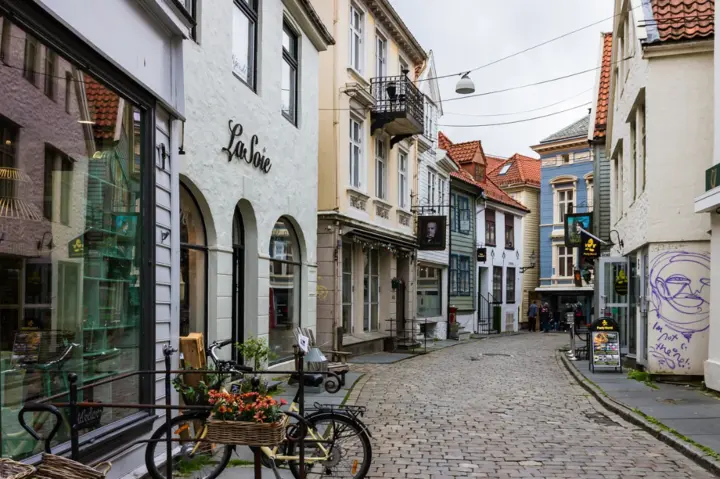
Peace is more than not being challenged. Peace must also be a state to which calm is aimed; it is the absence of tension, fear and existential boredom. The industrial and digital revolutions have reduced the amount of time we spend on hard work; even supposed manual jobs like being a car mechanic involve many computer programs such as wrenches and wrenches. Most of us are well aware of the ways in which life was worse for ancient humans, such as the lack of political freedom; but we are very bad at appreciating the advantages of their way of life. People had fun a thousand years ago in Europe, China, Peru or...... They enjoyed deep relationships with their families, knew most of their neighbors well; were fitter; didn't worry about man-made climate change, terrorism, school shootings, traffic jams, or urgent emails to work late at night. We are not here to question whether the old people were freer than us; we are here to wonder if they enjoyed a more peaceful life, and in many respects we think they did. She may have been slower, more gloomy, poorer, and perhaps even more violent; but she also possessed a daily beauty and tranquility that we cannot imagine today. Human happiness did not begin in the twenties, and it would be a mistake to ignore thousands of years of human experience with the occasional disregard we tend to show towards ancient humans. "Didn't everyone die from cholera, hunger or war? Wasn't everyone executed if they made a joke about the church or their loyal master? Didn't they cut off your arm if you stole a loaf of bread?" There is no doubt that the old life had serious problems, but the truth is that most of our ancestors did not work 15 hours a day and did not spend their entire lives in abject misery. They enjoyed good food and drink, joked, enjoyed sex, hiked, pointed butterflies to their children, stopped to look at beautiful buildings, sang in the fields, and generally lived full and meaningful lives. We should be proud that today we have societies with relatively low crime and conflict. We may brag about this, but perhaps it is better to remain humble and thoughtful, to think about how we can make our lives more peaceful, and to learn valuable lessons from the past about how we can do it, while accepting that industrial modernity may have taken us too far from the roots of luxury.
![]()
My strategies for developing business confidence
Asking for a raise taught me a powerful lesson: confidence and self-advocacy matter. Despite battling impostor syndrome and anxiety, I learned to challenge my inner critic, celebrate my wins, and take risks. That one bold step led to growth, success, and a stronger belief in myself ever since. more- ADVERTISEMENT
![]()
You can train your brain to increase your attention span, and here's how
Distractions are everywhere, but by building better habits—like getting enough sleep, keeping your phone out of reach, and taking mindful breaks—you can train your brain to stay focused longer and boost your productivity throughout the day. more- ADVERTISEMENT
![]()
The ten most lonely things in the world
The loneliest whale in the world sings at a frequency no other whale can hear. The only tree in a 400 km stretch of desert was hit by a drunk driver. A little robot named Curiosity sings “Happy Birthday” to itself every year on Mars. more- ADVERTISEMENT
![]()
The Sahara Dilemma: Are Deserts Vital to the Balance of Our Planet?
Deserts may seem lifeless and harsh, but they’re vital to our planet. They store carbon, support unique species, and even help nourish the Amazon Rainforest. Despite their importance, human activities threaten these fragile ecosystems. So yes—deserts matter, and we need them more than we think. more- ADVERTISEMENT
![]()
The real signs of a very intelligent person
True Signs of a Highly Intelligent Person more- ADVERTISEMENT
![]()
Why aren't all the earth's oceans the same salinity?
Ocean salinity changes because of things like evaporation, rainfall, river flows, and ocean currents. The Red Sea is super salty due to high heat and little rain, while areas like the Bay of Bengal are fresher from heavy rainfall. These differences help shape ocean currents and marine life. more- ADVERTISEMENT
![]()
Alhambra Tower. The tallest skyscraper in Kuwait
The Al Hamra Tower in Kuwait City stands 414 meters tall with a unique design inspired by Arabian robes. Opened in 2011, it offers stunning Gulf views, reflects differently from every angle, and showcases Kuwait's modern engineering brilliance and ambition. more- ADVERTISEMENT
![]()
Golden hydrogen can change the course of the globe
Golden hydrogen, naturally formed deep underground, offers a clean, carbon-free energy source. It's abundant, renewable, and doesn't emit harmful gases, making it a game-changer for sustainable energy. Scientists are using AI to detect surface markers pointing to its presence, opening new frontiers in the search for eco-friendly fuel. more- ADVERTISEMENT
![]()
A good leader knows he doesn't know everything: lessons my old sergeant didn't learn
Great leaders don’t pretend to know it all—they lead with humility, collaboration, and a willingness to learn. In today’s fast-changing world, success comes from empowering teams, embracing change, and valuing diverse perspectives, not clinging to outdated notions of authority. more- ADVERTISEMENT
![]()
Unexplained phenomena - a list that drives you crazy!
Marfa lights, glowing mysteriously in Texas deserts, and intricate crop circles bent into fields with no clear cause, both baffle scientists and spark theories from the natural to the supernatural. The Bermuda Triangle, too, remains a hotspot of intrigue, with ships and planes vanishing, leaving only questions and fascination behind. more- ADVERTISEMENT