

Mount Vesuvius eruption wasn't the only killer in Pompeii



Pliny the Younger was merely a teenager when he witnessed the complete destruction of the city of Pompeii due to the eruption of the devastated volcano Vesuvius in 79 AD. His uncle died in the historic eruption, and Pliny's descriptions of the event in letters to the Roman historian Tacitus are the only surviving eyewitness accounts of one of the largest and deadliest volcanic eruptions in the ancient world. Most of the estimated 2,000 deaths occurred in Pompeii on the second day of the eruption, when Vesuvius' peak collapsed and tore apart an avalanche of hot volcanic material city. This fast-moving wall of hot rock and ash, known as volcanic flow, was killed by heat and extreme force. The famous plaster molds of Pompeii victims are very similar to life because they were buried and killed almost instantly. But it is also likely that some of the victims in Pompeii were not killed by the volcano itself. According to Pliny, the eruption of Vesuvius was also accompanied by an earthquake and now the evidence confirms that strong earthquakes actually shook Pompeii after the eruption.
Recommend


Show key points
- Pliny the Younger provided the only surviving eyewitness account of the 79 AD eruption of Mount Vesuvius through his letters to Tacitus
- The eruption occurred in phases, beginning with a pumice fall on the first day, followed by a deadly pyroclastic flow on the second
- A new scientific study suggests a powerful earthquake struck Pompeii between the eruption phases, causing further destruction and casualties
- ADVERTISEMENT
- Two skeletons discovered under a collapsed wall showed trauma consistent with earthquake injuries rather than volcanic causes
- Pliny's descriptions of violent earthquakes are now supported by archaeological evidence pointing to seismic activity as a major contributor to the disaster
- The discovery of earthquake-related deaths may revise the traditional belief that most victims died solely from lava flow and ash
- Researchers now consider the destruction of Pompeii to have occurred in three distinct stages: pumice rain, a major earthquake, and then the pyroclastic surge.
Pliny mentions earthquakes
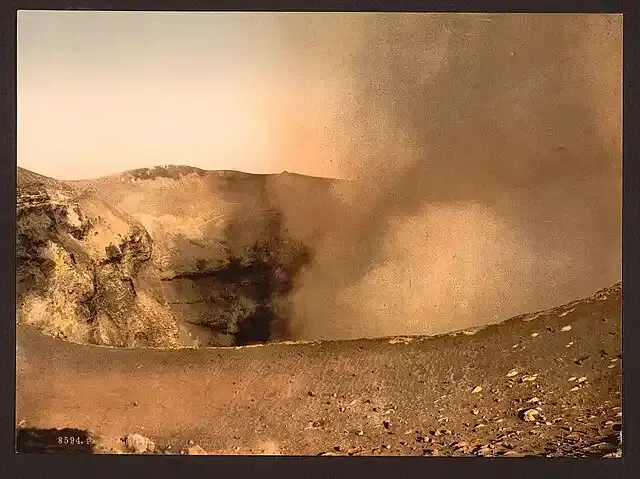
Pliny was 18 miles from Vesuvius, describing violent earthquakes that struck overnight and again at dawn on the second day. Pliny wrote: "The earthquakes that night were so severe that everything seemed to not only shake, but overturn," "It was the first hour of the day, but the light was still dim and weak The carriages we were ordered to take out, although on flat ground, were shaking back and forth and did not remain fixed in place even if they were jammed with stones." Until now, there has been no clear archaeological evidence at Pompeii of deaths from Vesuvius earthquakes alone, because The devastation caused by the lava flow made it almost impossible to distinguish between seismic and volcanic damage. But a team of scientists in Italy found compelling evidence in Pompeii of deaths from a building collapse caused by an earthquake, not heat or suffocation. The discovery not only confirms Pliny's 2,000-year-old account, but may rewrite the story of why so many people died in Pompeii.
Three stages of destruction
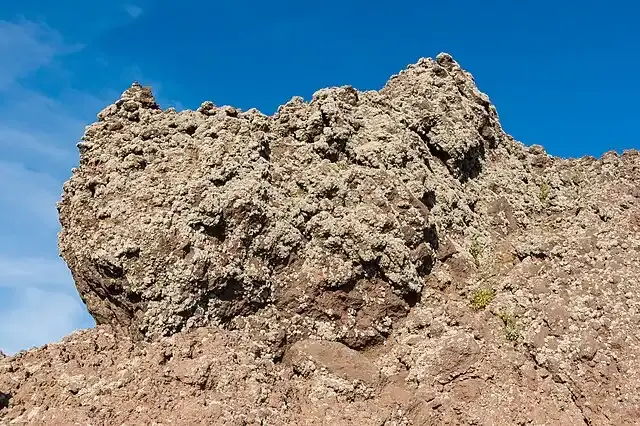
Until this discovery, the traditional archaeological account of Vesuvius' deadly eruption was that it occurred in two distinct phases. Around 1 p.m. on the first day, Vesuvius erupted with a massive explosion, spewing a plume of volcanic material nearly 20 miles into the sky. During the first phase of the eruption, material rained on Pompeii in the form of small, lightweight pumice stones formed from pieces of lava emitted that cooled rapidly into the air. For those who survived the long night, there was a short rest just before dawn on the second day. For about half an hour, the pumice storm stopped. Some of the survivors of the first stage may have crawled from their second-floor windows into streets covered with loose rock and ash, and tried to flee the city. Others hid in their homes waiting for rescue. With another eruption shaking the Earth, the second phase began. But this time the rain was not heavy rain of light rocks, but a burning wall of death moving at the speed of a freight train. Whether on the streets or at home, the unaware Pompeii citizens had no chance of surviving the lava flow. In just 15 minutes, thousands of Pompeii residents died from a combination of heat and suffocation from ash inhalation and the brute force of a lava avalanche, which toppled walls and led to the collapse of entire buildings. Sparis and his fellow scientists do not dispute the claim that the majority of Pompeii victims died during the lava flow phase. But they now have evidence of an important third stage of destruction. Between the pumice stone showers and lava flows was a powerful earthquake measuring 5.8 on the Richter scale.
Pliny described the strong earthquakes that struck the city overnight and in the early hours of the second day, but there was no clear evidence from the archaeological record that these earthquakes constituted an independent third phase of destruction at Pompei. And that's exactly what Sparis and his team think they found. The evidence comes in the form of two sets of human remains discovered in the ruins of Pompeii. The two skeletons were found under the collapsed wall of a house. They appear to be two men in their fifties who suffered multiple severe pressure fractures in the rib cage, pelvis, limbs and skull. According to anthropologists, the men's injuries were not consistent with death from suffocation or heat, but rather from a strong trauma. In fact, Sparis says, the type of compression shock that killed the two men is almost identical to that of victims found in recent earthquake debris. In most cases where buildings collapsed in Pompeii they had fallen due to the overwhelming force of lava flows, but the house where the two men died was far from the expected pattern of destruction. According to anthropologists, the men's injuries were not consistent with death from suffocation or heat, but rather from a strong trauma. In fact, Sparis says the type of compression shock that killed the two men is almost identical to that of victims found in recent earthquake debris. The discovery led to a new hypothesis about the fate of the 2,000 victims in Pompeii. It is likely that a number of people survived the initial "Plenist" phase, when Vesuvius blew up its summit and showered the city with debris. But their chances of escaping the city before the deadly lava flow arrives have almost vanished by a major earthquake that likely toppled countless buildings across Pompeii.
![]()
The art of being kind to your boss
The Gentle Art of Managing Your Manager more- ADVERTISEMENT
![]()
Quick tips to become a successful salesman
Success in sales comes from knowing your product, understanding customer needs, and building strong relationships. Always listen actively, communicate clearly, and stay passionate. Keep learning, stay organized, and never fear rejection—it’s just part of the journey to closing more deals and reaching your goals. more- ADVERTISEMENT
![]()
10 things smart people never share with anyone
Smart people often keep quiet about their true knowledge, finances, personal struggles, and future plans. It’s not secrecy—it’s strategy. By choosing what to share, they protect their peace, maintain control, and keep life’s noise at bay. more- ADVERTISEMENT
![]()
Surprising fact: The environmental impact of beef outweighs cars
Cows may seem innocent, but their burps and farts pack a punch—methane from cattle is 23 times stronger than CO₂ and causes major environmental harm. From deforestation to acid rain and massive emissions, beef production beats cars in damage. Eating less beef could seriously help the planet. more- ADVERTISEMENT
![]()
Sacred places in the Andes: 7 secrets of Machu Picchu
Machu Picchu isn't truly the lost city of the Incas, and it's not as forgotten as once believed—locals were living there when rediscovered. Many marvels are hidden underground, and if you're up for a sweaty climb, you can skip the pricey bus and enjoy epic views for free. more- ADVERTISEMENT
![]()
Success Guide - How to leave any bad habit?
Getting rid of bad habits takes time, effort, and patience. Focus on one habit at a time, understand your triggers, and replace the habit with a positive alternative. Stay realistic, reward progress, and don’t be discouraged by setbacks—just get back on track and keep going. more- ADVERTISEMENT
![]()
How to overcome your fear of flying
How to overcome your fear of flying more- ADVERTISEMENT
![]()
Shocking fact: the moon is moving away from the earth!
The Moon is slowly drifting away from Earth—about 3.8 cm each year—due to tidal friction. This subtle shift has been proven through laser technology since 1969. While it won't escape Earth’s gravity, the distancing affects Earth's rotation, making days longer and altering tides and seasonal temperatures. more- ADVERTISEMENT
![]()
Touching quotes that do not exceed a few words
Mind-Altering Quotes That Are All Under Few Words Long more- ADVERTISEMENT
![]()
7 simple tips to improve daily concentration
7 Simple Tips to Improve Daily Focus more- ADVERTISEMENT