

What is the primary source of oxygen on Earth?



Many of us think about oxygen, and this includes how the normal body handles oxygen in health, and how this becomes complicated by epidemics. But few of us realize that as human beings of the Earth we have a unique privilege. And it is that we, along with most other animals on Earth, are the only living beings in the known universe with an unlimited supply of oxygen. Many of us also know that plants are an essential source of terrestrial oxygen. But is it the only source, or even the main source? We will see it in this article.
Show key points
- While oxygen is often taken for granted, humans and most animals on Earth uniquely benefit from a continuous, unlimited supply of this essential gas.
- Photosynthesis, particularly by cyanobacteria and other microorganisms, was the catalyst for introducing oxygen into Earth's atmosphere billions of years ago.
- The Great Oxidation Event about 2 billion years ago drastically increased atmospheric oxygen, enabling aerobic life while leading to mass extinction of anaerobic organisms.
- ADVERTISEMENT
- Contrary to common belief, the majority of Earth's oxygen is stored in solid form within the Earth's crust, rather than in the atmosphere or oceans.
- Today, major oxygen contributors include cyanobacteria, phytoplankton, marine sediments, volcanic activity, and notably, the recently identified Prochlorococcus in the oceans.
- Prochlorococcus, a tiny marine microorganism, is now considered one of the most abundant and effective oxygen-producing organisms on the planet due to its vast numbers and photosynthetic efficiency.
- Despite widespread scientific research, the exact mechanisms behind the historical surge of atmospheric oxygen remain poorly understood.
Photosynthesis:
Photosynthesis is one of nature's greatest miracles, the ability to release oxygen using the energy of sunlight. One of its findings was that the first oxygen released into the atmosphere came from the metabolism of the microorganisms, cyanobacteria, that use it. But oxygen was an unwanted by-product at the time. Indeed, oxygen had to be eliminated in order for organisms to grow and flourish. When there was a dramatic increase in atmospheric oxygen concentration about two billion years ago, and the partial pressure of oxygen in the air rose to about 200 mm Hg, this great oxidation event, as it was called, was the death sentence for a large number of anaerobic animals for which oxygen was toxic. Today, a great deal of oxygen in the atmosphere comes from photosynthesis in microorganisms, including cyanobacteria and recently discovered bacteria, which get rid of this unwanted by-product. The result is that its atmospheric concentration at sea level remains roughly constant at about 150 mm Hg, although the factors responsible for this are not understood.
Recommend


The beginnings of oxygen in the Earth's atmosphere:
When our solar system began to form about 4-5 billion years ago, it was made up of a number of solid components with some associated gases. The sentence was gravitationally cohesive, and there was little or no free oxygen in the gases thought to have been a mixture of nitrogen, hydrogen, helium, methane, and some other elements with low atomic numbers. This situation has persisted over millions of years as our solar system and its eight planets (and Pluto) gradually evolved, but without any large amounts of atmospheric oxygen. Then there was extraordinary change. This was due to the miracle of photosynthesis that enabled some organisms to use the energy of sunlight to obtain hydrogen and synthesize food from it and from carbon. One result was the appearance of some oxygen gas. This has radically changed the population of the planet. This primary oxygen was produced by the emergence of a family of microorganisms called cyanobacteria, which have a greenish-blue color. The origin of these organisms is unknown, but they were capable of photosynthesis, and to do so, they contained photosynthetic pigments associated with chlorosis. In fact, the chlorosis in plants we see today is thought to have evolved from these pigments in cyanobacteria.
Where do we find the largest oxygen reservoir on the planet today?
Since the atmosphere is made up of 21% oxygen, and this surrounds the entire globe up to an altitude of more than 80 km, it is natural to assume that most oxygen is here. But this is not true. The greatest amount of oxygen by weight (more than 90%) is found in solid chemical forms such as oxides and silicates. In fact, if we add the amounts of oxygen in the atmosphere, oceans and living organisms, the total is less than 0.05% of the total mass of oxygen on the planet.
What are the largest sources of oxygen in the world today?
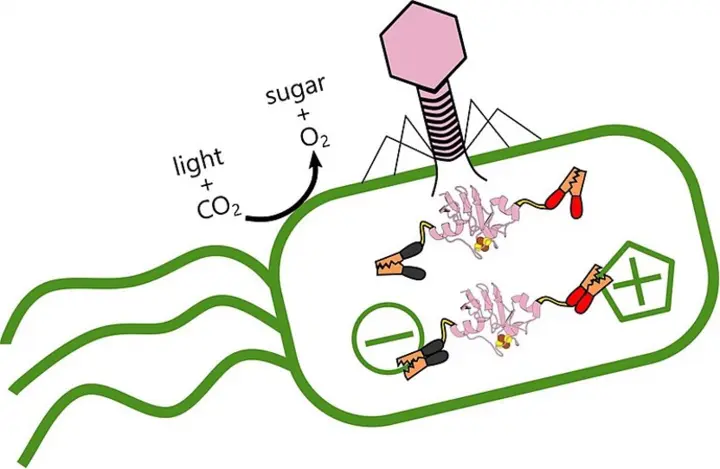
As described above, cyanobacteria and other photoplankton are still major sources of oxygen. But there are other great sources too. The first is marine sediments of organic matter that settle on the ocean floor, and the second is tectonic plates that release oxygen from volcanoes and other sources into the Earth's mantle as a result of the transformations of the earth's crust, and plants and trees release large amounts of oxygen.
Recently, there has been an important scientific breakthrough, as another large source of oxygen has been discovered in the ocean. The source is marine prochlorococcus (Prochlorococcus). Prochloroc is now thought to be the most abundant organism in the oceans today; it has been found in large numbers in the Pacific and Atlantic Oceans, particularly in the subtropics. The object is extremely small with a diameter ranging from 0.4 to 0.6 microns. This means that it is close to the resolution limit of the optical microscope. The concentration of seawater from areas containing prochlorococos is usually more than 105 cells per ml. Because of the sheer number of cells, the total surface area of cells in the oceans is astronomical. It is believed that chlorocox in prochlorocococx is exceptionally effective in harvesting light.
The greatest event of oxidation:
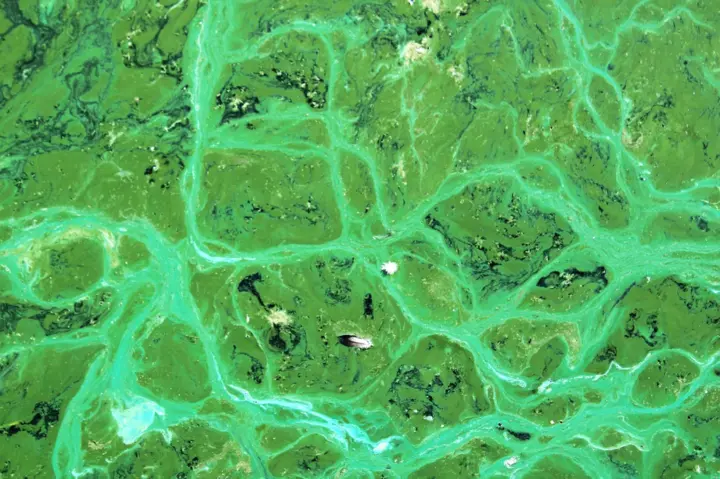
As noted above, cyanobacteria released some oxygen early in Earth's history. However, atmospheric oxygen concentration has remained low for millions of years at a value of perhaps less than 10 mm Hg. The reasons for this low value are uncertain, but it is suggested that it was due to the absorption of oxygen by the ocean and some terrestrial surfaces. But about 2 billion years ago, there was a dramatic increase in the concentration of oxygen in the atmosphere. The partial pressure of oxygen rose from a very low value to about 150 mm, the current value. Although our planet has seen its share of dramatic events such as the ice ages, this massive change in atmospheric composition has been unprecedented.
On the one hand, this has helped bring about the enormous diversity of oxygen-dependent species we see on Earth today. But it also had a significant downside; the massive increase in oxygen concentration had serious consequences for many anaerobic species. Indeed, the ensuing extinction was one of the most catastrophic vital events our planet has ever known. So what are the reasons behind this huge rise in atmospheric oxygen? Despite the sheer amount of research and the corresponding deluge of articles, there is still largely ignorance in this area.
The end:
The oxygen molecule is highly reactive and is made up of many food sources. We can assume that we and other animals that have evolved on Earth have benefited from the special features of this molecule that easily interacts with many others. It will be interesting to see if other life forms that will certainly be discovered on some of the trillions of exoplanets in the universe will be different because they lacked the oxygen feature when they evolved.
![]()
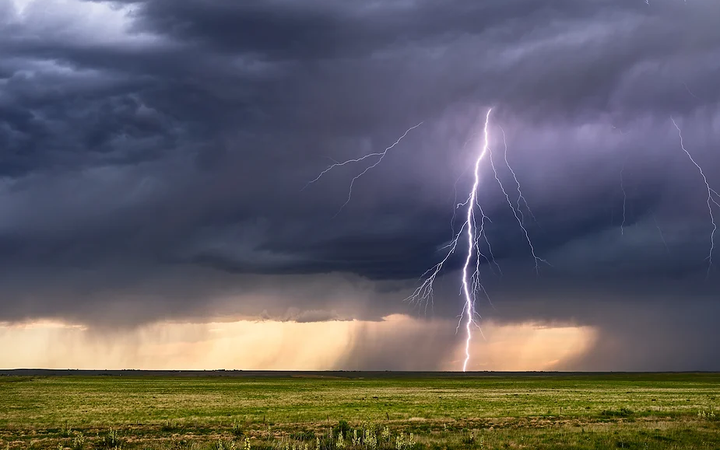
At each moment, there are about 2,000 thunderstorms occurring on Earth.
Thunderstorms are powerful and common, with up to 2,000 happening worldwide at any time. Florida sees the most in the U.S., while Venezuela’s Lake Maracaibo holds the record for lightning. Remember: if you hear thunder, go inside—lightning can be deadly, even from miles away. more- ADVERTISEMENT
![]()
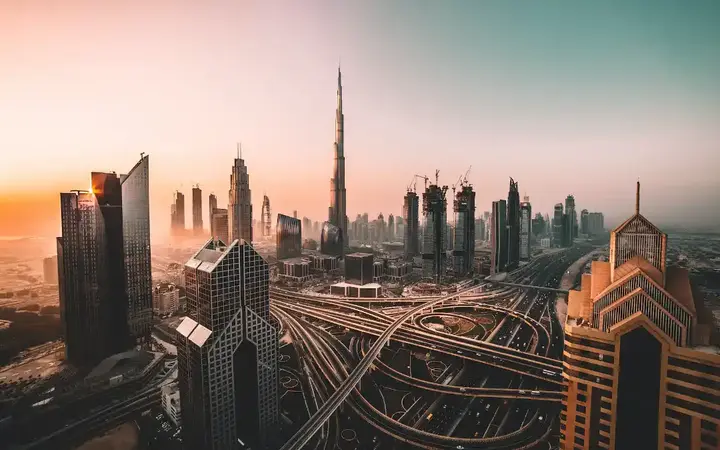
Beyond Burj Khalifa: Uncovering the Spirit of Dubai through its Metro
Dubai Metro isn't just a ride—it's a futuristic journey wrapped in art, culture, and record-breaking feats. From Wi-Fi on board to stations named after shops, it’s where innovation meets daily buzz. Just don’t fall asleep, or it might cost you AED 300! more- ADVERTISEMENT
![]()
The dark side of remote work that no one talks about: it's not just about wearing sweatpants and flexibility
Remote work may seem dreamy, but loneliness, blurred boundaries, and snack-fueled sofa days can take a toll. You might miss office perks, relationships, and even your boss forgetting you exist. It’s not all bad—but it’s not all good either. Just remember to move, unplug, and please, wear pants on video calls. more- ADVERTISEMENT
![]()
Success Guide – How to turn your presentation into an exciting story?
Success Guide – How to turn your presentation into an exciting story? more- ADVERTISEMENT
![]()
Debate about colors: does matter or brain determine?
Color isn’t just a property of objects—it’s a mix of light, brain interpretation, and even emotion. The dress debate proved we don’t all see the same thing, and for some animals, "red" doesn’t even exist. Turns out, what we see may be more illusion than reality. more- ADVERTISEMENT
![]()
The Other Side of the Business World - 3 Movies You Must Watch
These dramas dive into the dark side of business, exposing greed, betrayal, and ethical compromise. From Zuckerberg's ambition in *The Social Network* to *Boiler Room*’s stock fraud and *The Founder*’s ruthless empire building, they reveal how success can come with a moral cost. more- ADVERTISEMENT
![]()
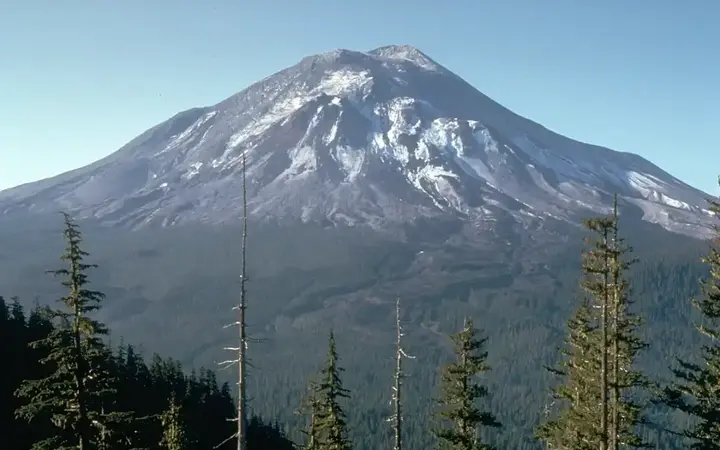
Mount St. Helens blast and rebirth
Mount St. Helens, once the site of a devastating eruption in 1980, has become a powerful symbol of nature’s resilience. Despite the destruction, life slowly returned, turning a barren land into a thriving ecosystem once again. Today, it stands as both a natural wonder and an educational destination. more- ADVERTISEMENT
![]()
Clothing Trading - Hidden Tetanus Discovery
Clothing trade can be highly profitable when you understand fashion trends, know your target customers, and offer quality products at affordable prices. Choosing the right type—like children’s or women’s wear—and selecting a smart location or online platform can boost success. Marketing and customer service also play big roles. more- ADVERTISEMENT
![]()
Arabian Desert: What's there to see there?
The Arabian Desert, home to the vast Empty Quarter, is one of the world's driest and hottest places. In Dubai, desert safaris offer thrilling adventures like dune bashing, quad biking, sandboarding, and camel rides—topped off with starlit camping, music, and delicious food for a truly unforgettable experience. more- ADVERTISEMENT
![]()
A book that may interest you: 52 practical rules for success
A book that might interest you - Fifty-Two Rules of Thumb for Success Without Losing Yourself more- ADVERTISEMENT