

Chasing the Stars: A Journey Towards Becoming an Astrophotographer


Some chase dreams — others chase stars. *Chasing the Stars: A Journey to Becoming an Astrophotographer* is more than a guide; it’s a glimpse into a world where science meets art, and patience meets wonder. From capturing the swirl of galaxies to freezing the fleeting dance of auroras, this journey invites you to look up, slow down, and see the night sky through a new lens — your own.
Astrophotography doesn't have to be expensive
If you're new to astrophotography, don't feel pressured to spend money on expensive camera equipment, says Brian Fulda, winner of the highly regarded People and Space 2020 category. "It may be tempting to jump deep into the subject and spend thousands on telescope equipment or cameras, but that can discourage someone from engaging in this hobby because the learning curve is steep," he says. Fulda advises beginners to start simply, with a DSLR (Digital Single Lens Reflex) or a mirrorless camera mounted on a tripod mount. A versatile option for beginners, the DSLR allows users to have more control over their images. The DSLR also enables photographers to keep the shutter open for long periods. This is ideal for shooting a dark night scene, when as much light as possible is needed to capture dim or distant objects. Aspiring astrophotographers should also learn how to take images with long exposures – perfect for capturing details in things like the Milky Way.
Recommend


Time and patience are crucial
Developing your astrophotography skills requires time and dedication, so don't be discouraged if you have a hard time handling the craft at first, says Matthew Brown, highly rated in the Our Moon 2020 class: "It took a lot of trial and error to get to the point where my efforts at photographing the night sky were producing satisfying results." For Chris Williams, who is also highly regarded in the Our Moon category, the most important thing new astronomers should remember is that everyone should start somewhere. "Just never think you can't try, no matter the equipment or the 'level,'" he says. If you enjoy it, go ahead. You'll learn to get the most out of what you have." The best conditions for astrophotography include cloud-free clear nights with little wind. While many astronomers in the competition state that dark open spaces are ideal, urban environments can offer interesting perspectives as well. Award nominee Matthew Brown depicts a full moon rising behind London's Shard Tower, taken after his fourth flight from his home in Carmarthen, Wales, to the set near Tower Bridge.
Learn how the telescope works
When you recognize your camera, consider trying different equipment. Telescopes enable astrophotographers to take deeper images of the universe – the Royal Museums Greenwich store has a collection of beginner telescopes recommended by astronomers at the Royal Observatory in Greenwich. Chris Williams adds that learning how to "align" your telescope — making sure components are aligned to achieve the best images — is an important skill to learn. Star trackers are also a valuable part of the astrophotographer's toolkit. Also known as tropical mounts, star trackers can be mounted on a standard tripod. It rotates at the same speed as the Earth – albeit in the opposite direction – and enables photographers to automatically track objects as they move across the night sky. If you want to take your astrophotography skills to the next level, Brian Fulda suggests learning how to capture subjects at longer focal lengths. Focal length is the amount of view captured by the lens; in the case of astrophotography, a longer focal length is optimal for capturing images of nebulae and galaxies. When you experiment with focal lengths, Brian explains that you can start looking for refrigerated telescopes and astronomy cameras, adding, "This method may be more expensive, but it ensures that you don't feel overwhelmed at any time.
Plan ahead – use the night sky calendar
Planning ahead is an essential part of any astrophotographer's routine, explains Matthew Brown. "I'm someone who plans his pictures meticulously; when I'm on my travels, I generally have a good idea of what I want to see and photograph, and astrophotography requires planning and seeing," he says. To improve your chances of taking a good photo, create a calendar of astronomical events to watch out for.
Get inspired by other astronomy images
For Peter Ward, winner of the 2020 Star and Nebula category, looking at other astronomers' photos is invaluable to improve your work. "Look for other people's work for inspiration as well as to verify your confidence that your own photos pass the test," he says. "Be precise and systematic." Matthew Brown recommends that aspiring astronomers also seek advice from an experienced astrophotographer. "The best thing you can invest in is lessons from an experienced hand," he says. "If I could do it again, I'd spend a night with an experienced photographer who can teach me the ropes." If you are interested in improving your astrophotography skills, why not book a place in the Royal Observatory Greenwich course: "Introduction to Astrophotography". The course runs from February to March 2021, and covers areas of astrophotography, including understanding camera settings and subjects in the night sky, using telescopes and image processing. For Chris Williams, one of the most rewarding aspects of being an astrophotographer is seeing the reactions his photographs have received on others. "I like to share my photos on social media as well, especially categorized photos that provide more information about what's out there," he says. "I get comments like 'Wait, do all the craters have names?' It's always good to think that my photos inspired someone else to learn something new about something I photographed.
![]()
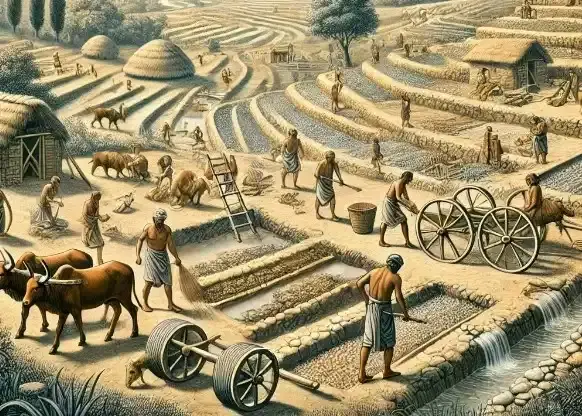
Neolithic revolution
The Neolithic Revolution more- ADVERTISEMENT
![]()
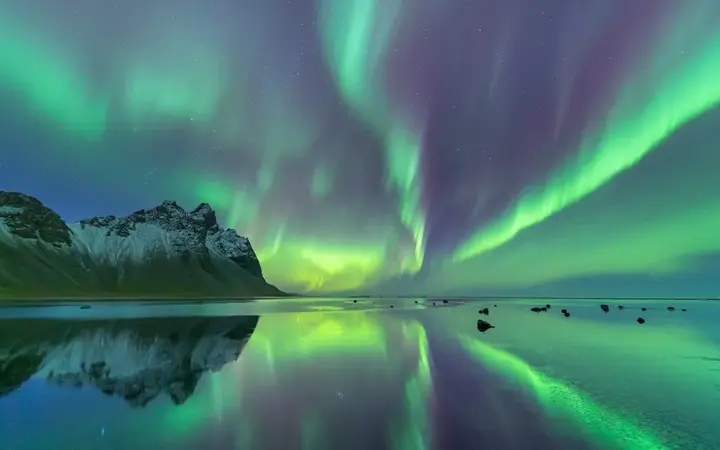
Alert from the Northern Lights: Sun's activity is at its highest level in 23 years with the Northern Lights
July 2024 saw a surge in sunspots—the most since 2001—boosting chances of stunning Northern Lights shows across North America. A G2 geomagnetic storm is expected this week, possibly lighting up skies as far south as New York and Idaho. Keep an eye out for those glowing waves! more- ADVERTISEMENT
![]()
The impact of robotics on elderly care: between technology and social impact
Robots can support elderly care by helping with tasks and offering companionship, but they can’t replace the warmth of human connection. While useful, concerns about empathy, privacy, and emotional dependence raise questions. Balancing efficiency with genuine care remains crucial for a humane and ethical approach to elder support. more- ADVERTISEMENT
![]()
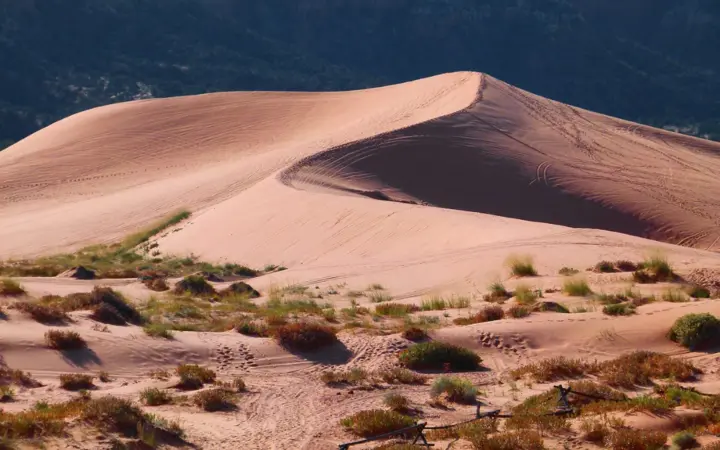
Discover the Impossible: Turning Deserts into Dense Forests – Dream or Reality?
Desert greening is turning deserts into lush forests using smart water techniques, solar and wind farms, and fertile soil solutions like pyrogenic carbon. Projects like the Sahara Forest Project aim to fight drought, boost agriculture, and even combat climate change, turning drylands into thriving ecosystems. more- ADVERTISEMENT
![]()
Learn how to learn: strategies to acquire difficult skills
Learning new skills is key to success today, but it’s not easy. Using practical strategies like learning by doing, setting clear goals, and using online tools can help. Overcoming frustration and staying motivated are also important for progress and creativity. more- ADVERTISEMENT
![]()
Understanding your leadership style: strengths and weaknesses
Understanding Your Leadership Style: Strengths and Weaknesses more- ADVERTISEMENT
![]()
7 simple tips to improve daily concentration
7 Simple Tips to Improve Daily Focus more- ADVERTISEMENT
![]()
The Seven Years' War: A Global Conflict Defining a New Era
The Seven Years' War, fought from 1756 to 1763, was the first true global war, reshaping power across Europe, North America, and beyond. It marked Britain's rise as a colonial giant and set the stage for revolutions to come, with Frederick the Great and key battles leaving lasting impacts. more- ADVERTISEMENT
![]()
Explore the magic of Belfast: from ship history to contemporary art culture
Belfast blends rich shipbuilding history with vibrant culture, stunning modern architecture, and lively arts. From Titanic’s legacy to music festivals and scenic parks, the city offers unforgettable experiences. Stroll markets, enjoy local dishes, and soak in the warmth of a place where tradition meets creativity. more- ADVERTISEMENT
![]()
The Hundred Years War: A Comprehensive Overview
The Hundred Years' War reshaped England and France through fierce battles, bold claims to thrones, and shifting power. From iconic victories like Agincourt to Joan of Arc’s rise, this long conflict helped forge national identities and modern warfare, leaving a lasting mark on European history. more- ADVERTISEMENT