

Discover the Impossible: Turning Deserts into Dense Forests – Dream or Reality?



If you've ever seen a desert and thought, "Is it possible to turn these vast expanses of sand into lush greenery?" , this is the article for you.
Show key points
- Desert greening is a global initiative aimed at transforming arid and semi-arid lands into fertile, green areas for agriculture, forestry, and environmental restoration.
- Mega projects like the Sahara Forest Project in Africa and the Middle East exemplify large-scale efforts to combat desertification and climate change by introducing vegetation to barren regions.
- Access to water remains one of the greatest challenges in desert greening, prompting the use of innovative solutions such as air condensation, wastewater recycling, and high-retention water technologies.
- ADVERTISEMENT
- Solar and wind farms not only generate renewable energy but also help modify local climates by increasing humidity and precipitation, which benefits plant growth.
- Creating fertile soil from dry, nutrient-poor sand is essential, and techniques like adding pyrogenic carbon, adjusting pH levels, and reducing soil contaminants are key.
- Salt-tolerant plants are often chosen for desert greening projects, as they can thrive in environments with high salinity in soil and water.
- Sustainable farming techniques and erosion-prevention strategies like crop rotation and smart landscaping play a vital role in maintaining the fertility of greened desert areas.
There is a movement called desert greening that aims to do this.
In fact, many mega desert greening projects in Africa, the Middle East and China are already underway.
What is desert greening?
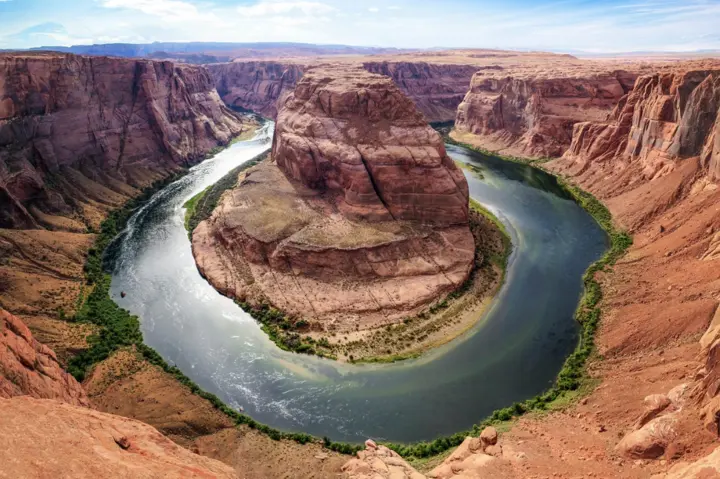
The term greening the desert means exactly what it literally says – the process of turning deserts into lush forests. Not only are deserts with vast and endless seas of changing sand dunes, but semi-arid lands are also included in the greening of the desert.
The aim of this process is to reclaim parts of desert land, make it fertile, and use it for agriculture, forestry and other environmental reasons, such as preventing soil erosion and enhancing biodiversity.
Recommend


By turning swathes of desert into forests, some experts hope to help combat climate change and protect regions from its symptoms (such as drought and famine).
Sahara Desert Forest Project
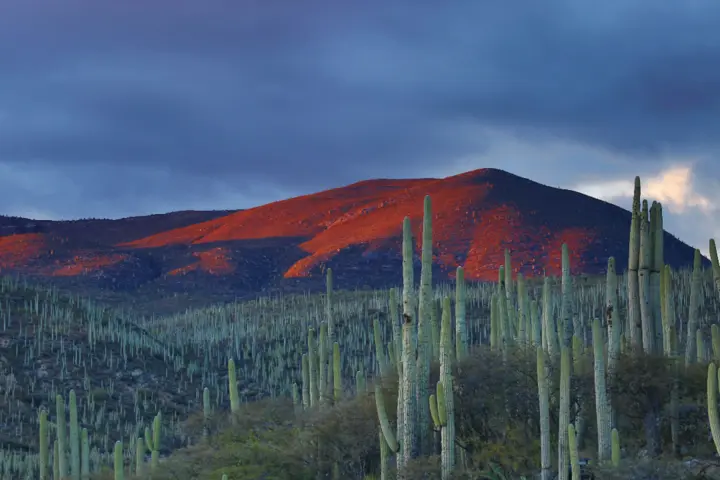
For example, a mega project is underway to green the Sahara Desert in the Sahel and Eritrea. The project, called the Sahara Forest Project, hopes to prevent drought-like conditions caused by the Sahara Desert impact. This will not only save lives and strengthen the economies of the countries concerned, but will also help combat the effects of climate change in the region.
Methods used to greening the desert
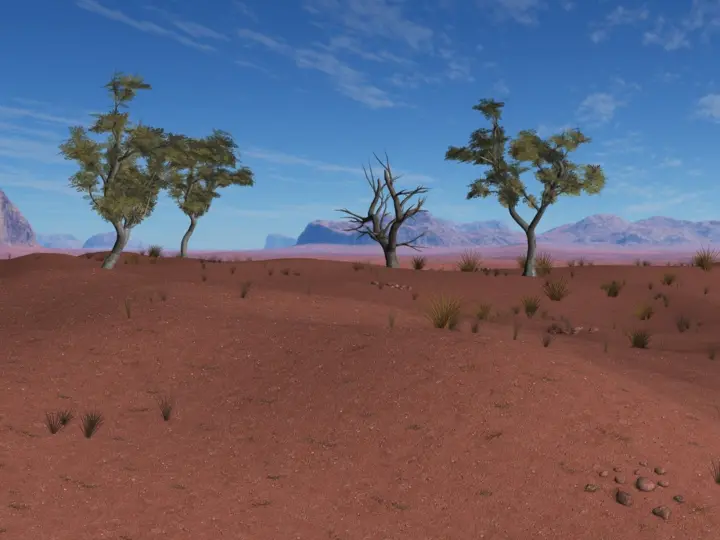
So, how can one begin to turn the desert into a forest? Well, of course, he can with a few seeds and a lot of water.
Water is perhaps the most important aspect of "greening" the desert, but as you can imagine, water is not the most readily available resource, especially in the desert region.
People usually use a range of methods, such as irrigation, groundwater, sand-absorbed water, rainwater and air-extracted water (by condensing moist air). On the other hand, there have also been attempts to drastically reduce the amount of water needed, and this has led to the emergence of technologies such as special water-retaining materials (such as some resins) and condensation techniques.
In the Moroccan city of Ouarzazate, the government is converting wastewater into usable water for irrigation, helping to "green" the region's drylands.
Solar & Wind Farms

The Sahara Desert Forest project uses solar panels and wind turbines to help solve water problems.
Extensive research in solar and wind energy has shown that such strategies can dramatically change the climatic conditions around those farms. These plantings can increase heat and humidity in their vicinity, which are crucial factors for plant growth.
Solar and wind farms can also lead to increased rainfall, as seen in the Sahel (a region in Africa bordering the southern Sahara), allowing for a self-sustaining cycle. Rainfall is used by plants, and the plants leaching and transpiration, which will lead to more precipitation.
Another condition for turning the desert into a forest is fertile soil.
Incoherent sand is not suitable for plants, as it contains little or no water, nor does it contain enough organic matter to facilitate plant growth. Turning arid desert lands into life-sustaining soils is a challenge.
Carbon pyrogen addition
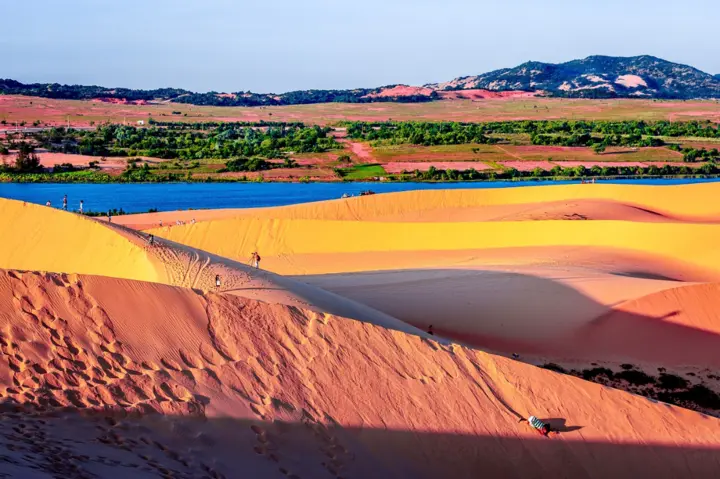
One way to make desert soil fertile is to add pyrogenic carbon. Pyrogen carbon is only the product of incompletely burned organic matter. Examples of pyrogen carbon include coal, black carbon, and soot (smoke darkening). Recent research has shown that adding purogenic carbon sources is a way to replenish degraded and sterile soils, returning them to fertility.
Besides adding pPurogenic carbon, stabilizing the pH number, the amount of clay in the soil and removing contamination from the soil can all make the soil more fertile.
Now, in this fertile soil, the plants are ready to grow.
The plants used in desert greening projects are often those plants that love salt. This means that these plants can grow in conditions with high concentrations of salt in water.
If the land is used for agriculture, it is important to use sustainable agricultural practices. Crop rotation, sustainable agriculture, hydroponics, etc. are all key factors for maintaining long-term soil viability. In addition to agricultural practices, smart landscaping can significantly reduce or prevent soil erosion, allowing fertile topsoil to stay in place.
![]()
Time Management Skills: Effective Methods to Increase Productivity
Time isn’t just ticking—it’s the most valuable thing we have. Managing it right means less stress, more focus, and better balance between work and life. With simple techniques like prioritizing tasks or using the Pomodoro method, we can work smarter, not harder, and truly make every moment count. more- ADVERTISEMENT
![]()
Post-pandemic travel: reshaping the future of tourism
The pandemic reshaped travel, pushing people toward local, safer, and more personalized adventures. Technology now guides safer journeys, while hotels and airlines adapt with flexible and health-focused options. As the world reopens, travelers seek meaningful, sustainable experiences—reflecting a new era of conscious and responsible tourism. more- ADVERTISEMENT
![]()
How exactly to spend your money to maximize happiness, according to the latest science
How exactly to spend your money to maximize happiness, according to the latest science more- ADVERTISEMENT
![]()
Journey to Mars: The Next Great Leap in Mankind's Quest for Discovery
Mars sparks human curiosity like no other planet—its Earth-like features, potential for life, and promise of resources fuel hope for a future civilization there. Despite daunting technical, environmental, and psychological challenges, global efforts aim to turn this bold dream into reality. more- ADVERTISEMENT
![]()
The most expensive mistakes in history
The most expensive mistakes in history more- ADVERTISEMENT
![]()
Lebanon's basketball team's success story despite economic turmoil
Lebanon’s basketball scene is thriving, with its national team and clubs like Riyadi and Hikmeh making waves internationally. Despite economic struggles, passionate support from the Lebanese diaspora keeps the sport alive, turning basketball into a powerful symbol of national pride and unity across the country and its communities abroad. more- ADVERTISEMENT
![]()
The five scientists who have won two Nobel Prizes – and what sets them apart?
The five scientists who have won two Nobel Prizes – and what sets them apart? more- ADVERTISEMENT
![]()
The most fascinating discoveries we have made to explore Jupiter
Jupiter’s Great Red Spot, a massive storm lasting centuries, and the mysterious, possibly liquid core make it a planet full of extremes. Its moons—especially Europa with its hidden ocean—offer exciting clues about extraterrestrial life. With Juno and upcoming missions, the future of exploring this gas giant looks thrilling. more- ADVERTISEMENT
![]()
5 ways to change your mindset today
Only 8% of people actually reach their goals, and what sets them apart is their powerful mindset. Instead of chasing new skills, start by flipping negative thoughts and setting small, achievable goals. Massive change begins with consistent tiny steps—and yes, you can train your mind for success. more- ADVERTISEMENT
![]()
Babylon... The empire engraved in the memory of history
Babylon, once the world's largest city and symbol of power, was famed for its Hanging Gardens and Hammurabi's laws. Despite its fall, religious texts and historians kept its memory alive, portraying it with awe or condemnation. Rediscovered centuries later, it remains a symbol of legacy and greatness. more- ADVERTISEMENT