

Elon Musk's Brain Chip - Facts and Oddities



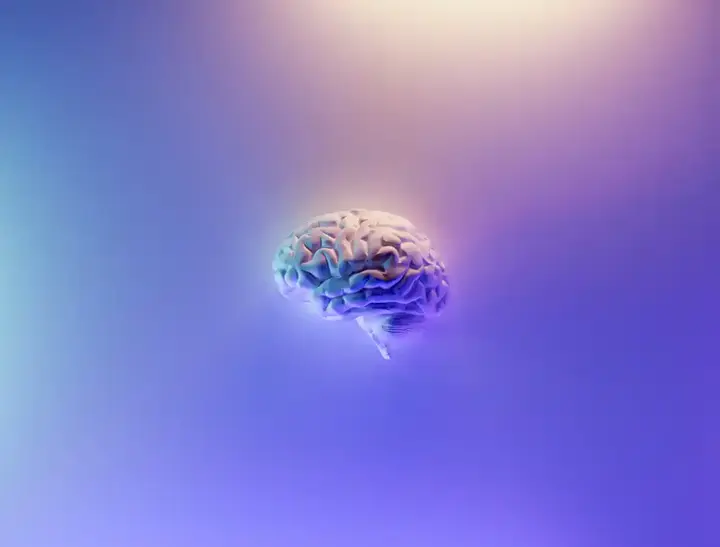
News is stampeding for the brain chip, the futuristic idea, which many call somewhat fictional, and produced by Neuralink for controversial billionaire owner Elon Musk. Especially in recent days when actual experiments of such an invention began.
Show key points
- Neuralink, a company founded by Elon Musk in 2016, is developing a brain-computer interface called Brain-Link to enable direct interaction between the human brain and external devices.
- The chip works by implanting tiny electrodes into the cerebral cortex to measure neural activity and translate it into digital commands.
- Its potential applications include restoring motor functions, treating neurological conditions, enhancing cognitive abilities, and possibly enabling thought-based communication.
- ADVERTISEMENT
- Ethical concerns about the chip involve issues such as privacy, safety, accessibility, mind control, and public acceptance.
- Although still in early development, rapid progress in the field could lead to widespread use of brain chips in the near future.
- Neuralink has already achieved milestones like publishing research, implanting the device in a human, and demonstrating its effectiveness in a quadriplegic patient.
- Despite the excitement around its capabilities, brain chip technology continues to raise significant controversy and debate in scientific and public spheres.
Brain chips are a promising technology with huge potential to improve our lives. However, there are still many challenges that must be overcome before they become widely available.
Through the following lines, we try to summarize and understand what happened, and why this slide raises so much controversy.
What is Elon Musk's brain chip?
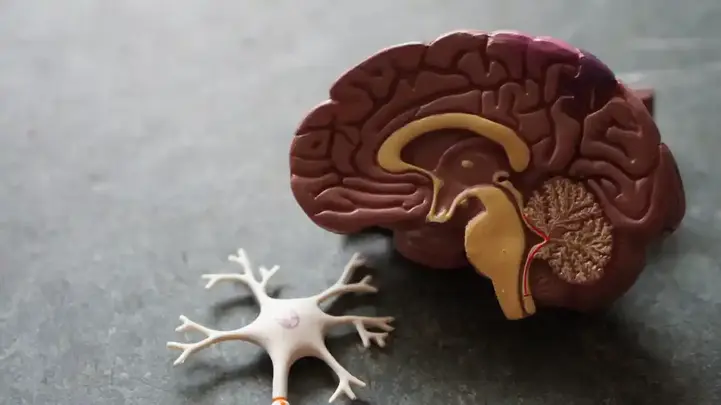
Elon Musk's brain chip, formally known as the Brain-Link, is a brain-computer interface (BCI) developed by Neuralink, a company founded in 2016 by Musk and a host of other entrepreneurs. The goal of this technology is to enable humans to interact with computers and the Internet using only their minds.
Recommend


To put things simply, it's a small electronic device implanted in the brain to read neural activity and translate it into commands that can be used to control external devices or computer programs. This revolutionary technology aims to improve our abilities, treat neurological conditions, and perhaps even connect our minds to computers.
Neuralink is a company founded in 2016 by Elon Musk and others that aims to develop brain-computer interfaces. It is a leader in brain chip research. The company is focused on developing implantable microchips that can read neural activity and send signals.
We have already devoted an article about the well-known billionaire Elon Musk, and is it a crazy genius or unlimited diligence? (Please put the link to the article)
How does a brain chip work?

The brain chip consists of tiny electrodes that are implanted in the cerebral cortex, the area of the brain responsible for motor, sensory, and cognitive functions. These electrodes measure the electrical activity of the brain, allowing the computer to understand the user's intentions and turn them into actions.
What are the applications of the brain chip?
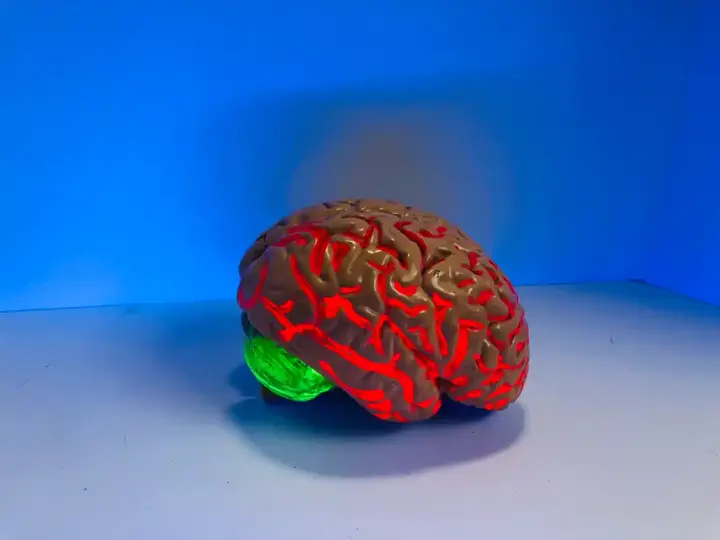
The brain chip is aimed at a wide range of applications, including:
● Restoration of motor functions: The slide aims to help people with paralysis or other neurological injuries regain control of their limbs or other organs.
● Treatment of neurological conditions: The chip is used to treat conditions such as epilepsy, depression, chronic pain, Parkinson's disease and depression. By stimulating specific areas of the brain.
● Enhancement of human abilities: Some researchers seek to use BCI to enhance human cognitive abilities, such as memory, learning and problem solving.
● Communication between minds: In the future, it may allow us to communicate directly with each other using only our thoughts.
Boosting human cognition: Musk believes that the brain chip could eventually be used to enhance human cognition, allowing us to process information faster and learn new things more easily.
What are ethical concerns?
The brain chip has raised several ethical concerns, including:
● Privacy: How will the data collected by the chip from the brain be protected?
Safety: What are the potential risks of implanting an electronic device in the brain? Especially healthy ones?
● Equality: Will the brain chip be accessible only to the wealthy? Who will be able to access BCI technology? Will it create a wider social and economic gap?
● Mind control: Can the chip be used to manipulate people's emotions and thoughts?
● Social acceptance: Some people may have difficulty accepting the idea of implanting an electronic device in their brains.
What is the future of the brain chip?
The brain chip is still in its early stages of development, and it is unclear when it will become commercially available. Rapid advances in brain-computer interfaces suggest the brain chip could become a reality in the coming years, they say. But more research is needed to better understand how they work and to make sure they are safe and effective. However, the enormous potential of this technology makes it an interesting field for research and development.
What have Neuralink accomplished so far?

● Neuralink published a scientific paper describing a new, more flexible chip design.
● Elon Musk announced and claimed to implant the first brain chip in a human. He also shared a video of a quadriplegic person who was able to control the computer by thinking through the slide.
● Initial reports indicate promising results, with a marked increase in neuron activity.
![]()
The Enigmatic Universe: 8 Astonishing Facts about Space and Time
Black holes might be gateways to parallel worlds, and time itself could possibly be reversed—just theories for now, but thrilling ones that stir curiosity. Dark energy and matter, though unseen, dominate our universe. And yes, UFOs still spark debate. The cosmos remains full of mysteries waiting to unfold. more- ADVERTISEMENT
![]()
The most famous data leaks in history - a list of wonders!
Big names get hacked too—Yahoo, LinkedIn, Facebook, and Canva all suffered massive data breaches, exposing millions of users’ info. These attacks didn’t just hurt reputations—they shook global cybersecurity and pushed companies to step up protection, while users were urged to change passwords and enable two-factor authentication. more- ADVERTISEMENT
![]()
Arabian Desert: What's there to see there?
The Arabian Desert, home to the vast Empty Quarter, is one of the world's driest and hottest places. In Dubai, desert safaris offer thrilling adventures like dune bashing, quad biking, sandboarding, and camel rides—topped off with starlit camping, music, and delicious food for a truly unforgettable experience. more- ADVERTISEMENT
![]()
Equations That Changed the World of Physics: A Historical View
Equations That Changed the World of Physics: A Historical View more- ADVERTISEMENT
![]()
Mental flexibility - what is it? And how to get there?
Mental flexibility - what is it? And how to get there? more- ADVERTISEMENT
![]()
What are the reasons for the failure of entrepreneurship?
Entrepreneurship is tough, with many startups failing due to poor planning, weak management, and financial issues. Lack of market research, leadership skills, and funding are key setbacks. Business incubators can help by offering mentorship, workspace, and resources to boost success chances. more- ADVERTISEMENT
![]()
Smart glasses help the sighted! A terrible scientific achievement!
AI-powered smart glasses are changing lives for the blind, offering independence through features like text reading, object and face recognition, navigation, and real-time translation. Though challenges like cost and privacy remain, users report life-changing benefits, and ongoing development promises even more possibilities for accessibility and inclusion. more- ADVERTISEMENT
![]()
The Sahara Dilemma: Are Deserts Vital to the Balance of Our Planet?
Deserts may seem lifeless and harsh, but they’re vital to our planet. They store carbon, support unique species, and even help nourish the Amazon Rainforest. Despite their importance, human activities threaten these fragile ecosystems. So yes—deserts matter, and we need them more than we think. more- ADVERTISEMENT
![]()
The best ChatGPT alternatives, including what is free
ChatGPT is an advanced language AI revolutionizing communication and creativity with human-like conversations and text generation. Alongside it, impressive free alternatives like Google's Bard, Jasper Chat, Bing AI, and Perplexity AI offer unique features—from creative writing to fact-based search—making AI tools more accessible, powerful, and tailored to user needs. more- ADVERTISEMENT
![]()
Nightlife and cafes in Sharm El Sheikh
Sharm El Sheikh transforms after sunset into a vibrant nightlife hub. From lively clubs in Naama Bay to traditional vibes in the Old Market, there's something for everyone. Enjoy beach parties, fine dining, and local culture, all while soaking in the electric energy of this Red Sea gem. more- ADVERTISEMENT