

Beyond Burj Khalifa: Uncovering the Spirit of Dubai through its Metro



Dubai, a city synonymous with towering skyscrapers and extravagant luxury, often leaves visitors dazed at the foot of the iconic Burj Khalifa. But beneath this glamorous sparkle and lights lies a heart beating with life, and a pulse of everyday life humming with a unique rhythm. To truly understand Dubai, and understand its essence behind the dazzling façade, one must step into a different kind of marvel: the Dubai Metro. Here are 12 interesting facts about the Dubai Metro that you might want to know.
Show key points
- The Dubai Metro was once the world’s longest driverless metro network, spanning 75 kilometers across two lines.
- In 2012, it set a Guinness World Record by transporting over 530,000 passengers in a single day.
- Each station is uniquely themed to reflect the UAE’s natural and cultural heritage, incorporating elements such as fire, air, and water.
- ADVERTISEMENT
- Uniquely, metro stations in Dubai can be sponsored and renamed by businesses, adding corporate branding to public transport.
- Sleeping on the metro is prohibited and punishable by a fine of AED 300, emphasizing order and discipline.
- Remarkably constructed in just four years, the metro project showcases Dubai’s rapid development and ambition.
- Launched on 9/9/09 at 9:09:09 PM, the Dubai Metro marked a historic milestone as the first urban train network in the Arabian Peninsula.
1. The longest driverless network in the world until 2016
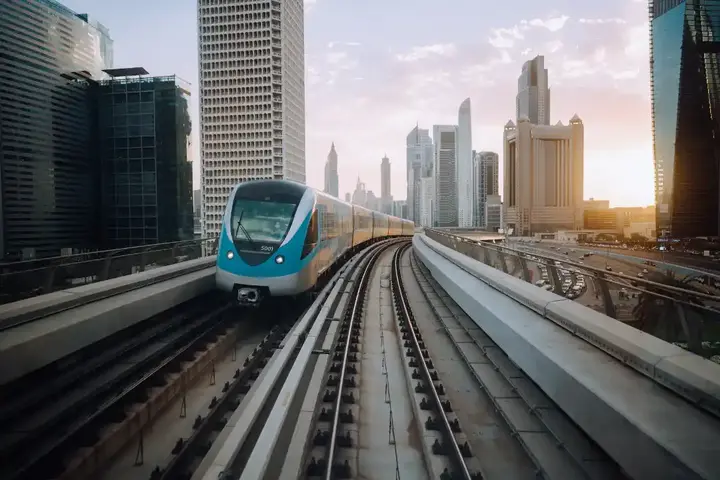
Buckle up to ride a future ride! The Dubai Metro boasts the title of the world's longest driverless metro network, stretching a whopping 75 kilometres across two lines. No connectors, just pure automation!
Recommend


2. Breaking the record for the number of passengers
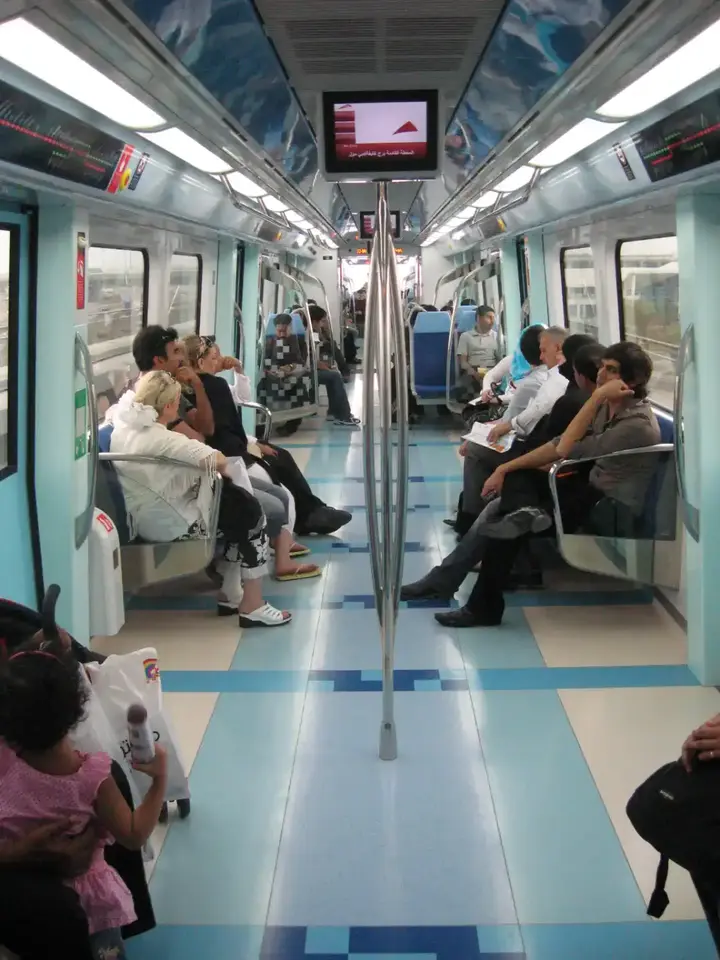
This metro is no stranger to crowds! In 2012, the metro entered the Guinness Book of Records for the highest daily commuter for a driverless metro, with more than 530,000 passengers. Talk here about the hustle and bustle accompanying the crowd!
3. Technical Stations

Forget about wide sidewalks! Each station in the Dubai Metro is designed to reflect different themes from the UAE's heritage, showcasing elements such as land, water, fire, air and history. Get ready to be visually enchanted! Khalid Bin Al Waleed Station (formerly Burjuman), Expo (Exhibition) 2020 Station, Al Jafiliya Station and Sheikh Zayed Road Station are masterpieces of modern architecture.
4. Fashionable care
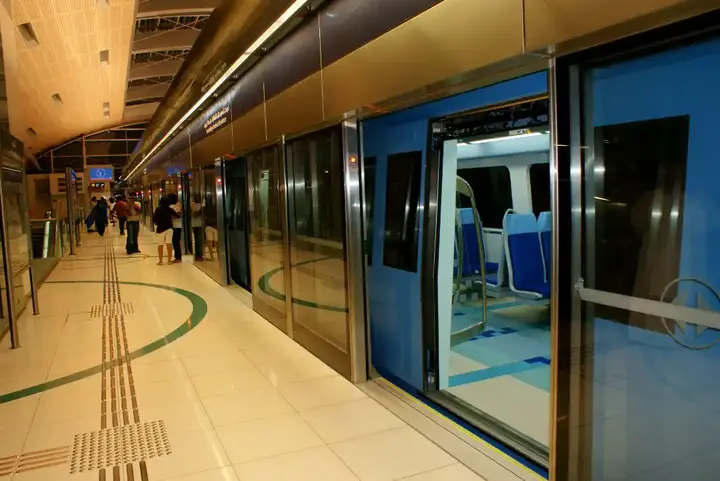
Have you ever seen a metro station named after a shop? In Dubai, this is a reality! Businesses can sponsor and rename stations, adding a touch of brand flair to your commute. For example, Rashidiya station is now called "Centrepoint (Central Point)" after the well-known store name.
5. Sleeping is actually considered a crime in the metro

Can you fall asleep and sleep a little in the metro? Not so fast! Sleeping is actually a crime and can expose you to a fine of AED 300. So, keep your nap to bed.
6. The construction of the metro took as little as four years.
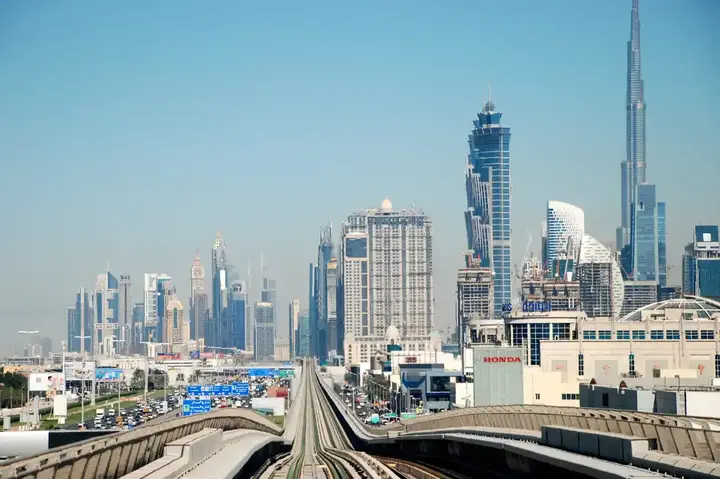
Construction of the first part of the Dubai Metro began in 2005 and was completed in just four years, a testament to the city's rapid development and ambitious vision.
7. Official opening took place at 9:09:09 pm on September 9, 2009
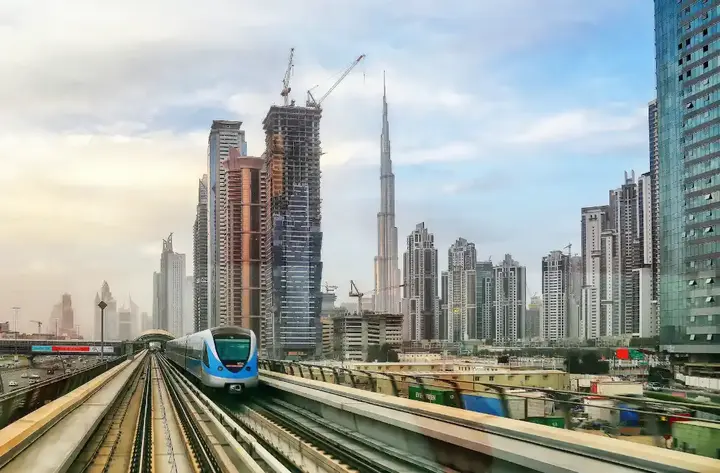
Great timing for the launch of this exceptional system, the Dubai Metro is the first urban train network in the Arabian Peninsula and the second in the Arab world
8. AED 28bn / USD 7.8bn spent on Dubai Metro construction
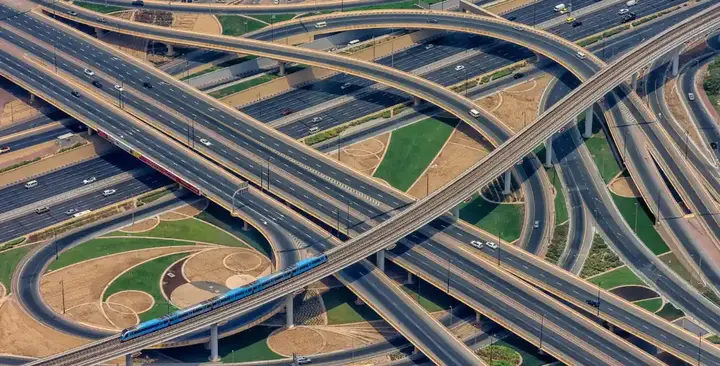
The cost of constructing the Dubai Metro project increased by almost 80% from AED 15.5 billion/USD 4.2 billion to AED 28 billion/USD 7.8 billion.
9. Park your car and take the metro

The Dubai Metro has built three large multi-level car parks with an estimated capacity of more than 8,000 passenger vehicles, where they can park their cars and ride the metro.
10. Wi-Fi everywhere

Wi-Fi is available on all trains and stations and is provided by du, which is in line with the Wi-Fi UAE programme that provides Wi-Fi connectivity within key areas of the UAE.
11. Dubai Metro Music Festival

Brand Dubai collaborated with the Roads and Transport Authority (RTA) in March 2019 to launch the Dubai Metro Music Festival. It is held from 14 to 20 Shaaban every year through the stations of the Red Line.
12. The longest chain of diverse human hands

On November 1, 2018, the longest chain of diverse human hands was formed on the Dubai Metro train at the Etisalat station. This record was recognized by the Guinness Book of Records. The chain was formed by people from 96 countries around the world, while this record was previously with Norway, where 75 countries formed a diverse human chain.
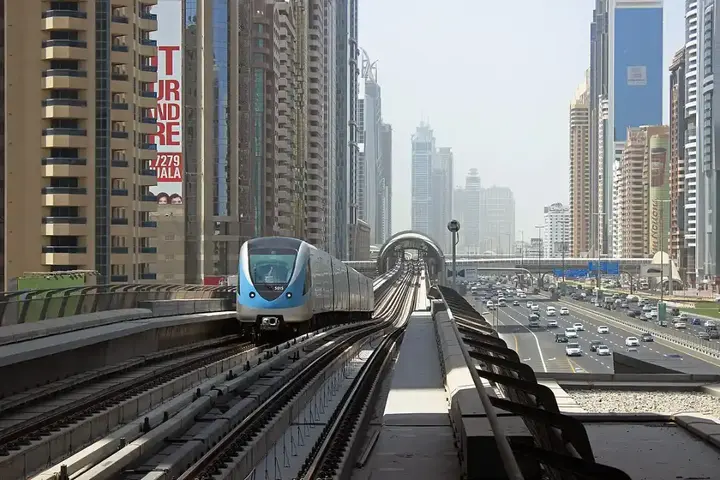
Dubai Metro is more than just steel and glass. It is a testament to human genius, a painting of artistic expression, a bridge between life and dreams. As the city races towards the future, the metro remains constant, a silent symphony of progress and development whispering: "This is just the beginning.
![]()
Getting to rock bottom: what it means and where to go from here
Hitting Rock Bottom: What It Means and Where to Go from Here more- ADVERTISEMENT
![]()
The impact of robotics on elderly care: between technology and social impact
Robots can support elderly care by helping with tasks and offering companionship, but they can’t replace the warmth of human connection. While useful, concerns about empathy, privacy, and emotional dependence raise questions. Balancing efficiency with genuine care remains crucial for a humane and ethical approach to elder support. more- ADVERTISEMENT
![]()
Why does the Arab lands have so much oil?
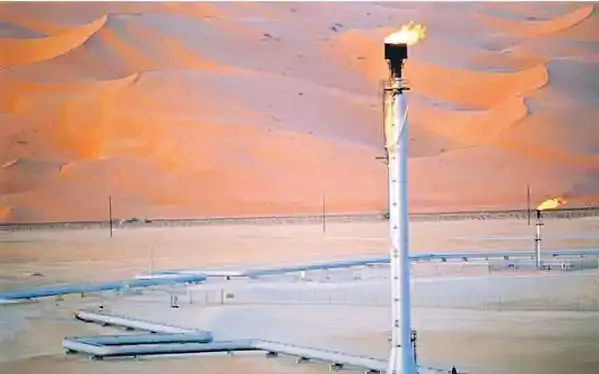
Arab countries hold vast oil and gas reserves, with fields like Saudi Arabia’s Ghawar and Safaniya standing out for size and output. Their conventional oil is easier to extract and purer than other types. This wealth stems from rich ancient biodiversity buried under the region's lands over millennia. more- ADVERTISEMENT
![]()
What are lean genes? Does it really help you lose weight?
Some people stay slim thanks to their genes, like PPARGC1A, which boosts metabolism. A study showed those with lean genes lost more weight on the same diet than those with obesity-linked genes. Still, healthy habits matter—genes alone can't keep you slim or protect you from gaining weight over time. more- ADVERTISEMENT
![]()
Tranquility and Beauty in Djerba Island in Tunisia
Djerba, or the "Island of Dreams," enchants with its pristine beaches and rich history. Combining the charm of the Mediterranean, its multicultural heritage, and the spirit of local life, it is an ideal destination for relaxation and adventure amidst breathtaking natural landscapes and authentic cultural experiences. more- ADVERTISEMENT
![]()
Discover the Impossible: Turning Deserts into Dense Forests – Dream or Reality?
Desert greening turns dry, barren land into fertile areas using water-saving tech, solar and wind energy, and special soil treatments. One major project, the Sahara Forest Project, aims to fight drought and climate change while boosting local economies by transforming parts of the Sahara and Sahel into green spaces. more- ADVERTISEMENT
![]()
7 physical cues that can help you read someone like an open book
Body language reveals more than words—handshakes, smiles, and even foot movements hint at confidence, stress, or honesty. A dominant handshake may suggest control; sincere smiles reach the eyes; fidgeting signals anxiety. Pay attention to these subtle cues, but always consider context—it's the key to truly understanding someone. more- ADVERTISEMENT
![]()
The moon is moving away from the earth. Will our day become 25 hours?
The Moon is slowly drifting away from Earth, making our days longer over time. This cosmic dance, caused by tidal forces, began with a massive ancient collision and continues to shape Earth's rotation and life. Fossil records even show that days were once just 21.8 hours long. more- ADVERTISEMENT
![]()
Tafilalet Village: Exploring Morocco's Berber Life
Tafilalet, a hidden gem in Morocco, blends ancient Amazigh heritage with stunning desert landscapes. Visitors can explore traditional mud architecture, experience authentic Berber hospitality, and enjoy local cuisine like tagine and dates. It's a perfect escape for those seeking adventure, culture, and a taste of simple, traditional life. more- ADVERTISEMENT
![]()
75% of the global diet is produced by just 12 plants and 5 different animals
Our diets rely on just a few crops, making them fragile and less nutritious. Embracing lesser-known, diverse foods like millet and winged beans can boost health, support farmers, and protect against climate and crop threats. more- ADVERTISEMENT