

Unravel the mystery: why are the planets round?



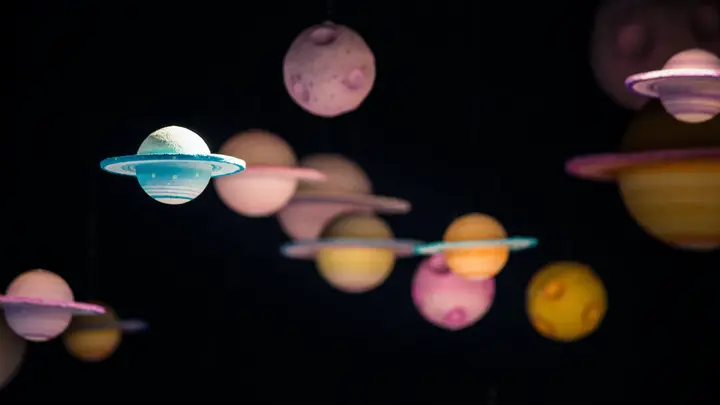
Planets are objects of the solar system that are of great importance in the study of space and the universe. Many questions are raised about these planets, including a big question related to their round shape. So what is the reason behind the roundness and spherical shape of the planets? In this article we will unravel the mystery and explore the reasons why planets look round. You'll learn about the natural physical forces and gravitational effects that make up this beautiful spherical shape of amazing planets.
Show key points
- Gravity is a dominant force in shaping planets by pulling matter evenly toward the center, resulting in a spherical form.
- Internal forces interact with gravity, influencing planetary structure and contributing to the formation of surface features like mountains and volcanoes.
- Thermal fusion occurring in the planets' cores releases energy and pressure that expands the outer layers, promoting a balanced round shape.
- ADVERTISEMENT
- The centripetal force centralizes matter and helps evenly distribute mass, playing a vital role in achieving a spherical planetary shape.
- External influences such as asteroid collisions and atmospheric changes can slightly alter a planet’s shape and surface characteristics.
- Cosmic gravitational interactions between celestial bodies can impact planetary orbits and subtly affect the planets' forms.
- Overall, the roundness of planets results from a complex interplay of gravitational forces, internal dynamics, thermal activity, and external environmental factors.
Gravitational effect
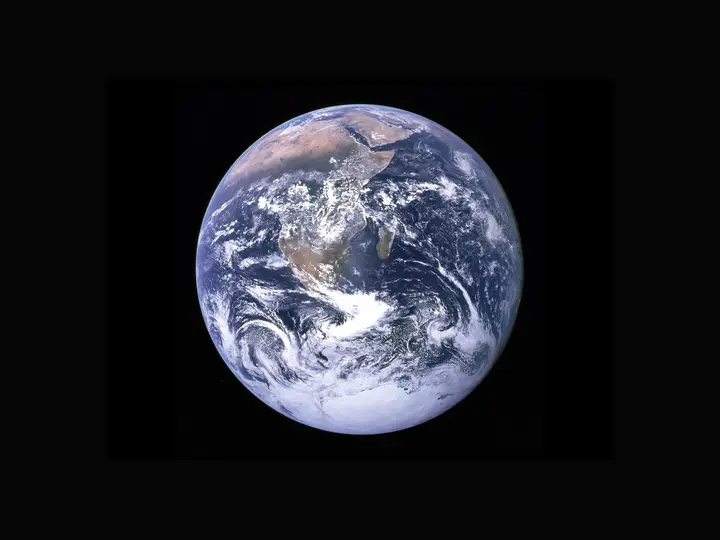
When we look at the night sky and see the beautiful round planets, the first thought that might come to mind is the effect of gravity. Gravitational force is a powerful force that exudes amazing gravity that controls the movement and formation of celestial bodies. The effect of gravity not only determines the motion of our planets in space, but also affects their round shape, giving the planets their own magic.
Recommend


The effect of gravity is not only a force of attraction that arises between celestial bodies, it is a force that affects planetary structures as well. Gravity creates different pressures within planets, and these pressures cause matter to be distributed evenly in all directions. This even distribution of matter helps the planets acquire their spherical shape.
The effect of gravity on the shape of planets has simply proved its reality. When an object forms in space, gravity begins to drag matter toward the center of gravity. Gravity pulls matter with a force that collects at the center of the planet, and although there are other forces acting on the sole side of the gravitational force, they exist in all directions. This means that equal force from all directions makes the planets take on a spherical shape.
The effect of gravity is not only on the shape of planets, but also on the laws of motion and other physical interactions within planets. They help keep the forces evenly distributed and maintain the inner stability of the planets. It can be said that gravity is the secret of the formation of round planets and beautify them in a charming way that satisfies our eyes and inspires our imagination.
Internal forces
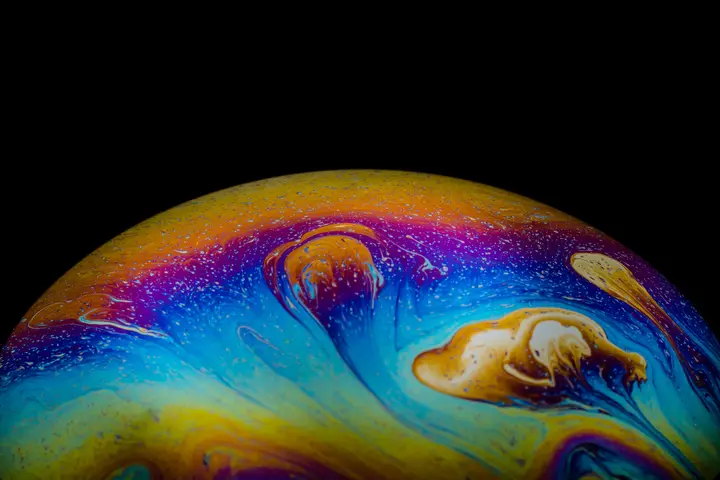
Although the planets look solid and rigid on the outside, they actually have their inner sides on a variety of different materials. One of the main factors interfering with the shape of the planets is the uneven physical density of their internal components. These differences in density form different pressures and affect the distribution of matter within the planets.
Gravitational forces and internal forces cooperate together to form a balance in the planets. Gravity pulls matter toward the center of the planet, while internal forces push and move matter unevenly from within. This disparity in forces and pressures leads to a certain balance in gravity and contributes to the formation of the asteroid permanently.
In addition, internal forces also play a crucial role in making the volcanoes, mountains and plateaus we see on the surface of planets. When there is an internal movement of matter, this different terrain can form. Thus, understanding internal forces gives us a deep understanding of the shape of the planets and their internal structures.
Although the inner forces of the planets may not be visible to the naked eye, they play a crucial role in the formation of this celestial body. Internal forces interact with gravity and external influences to form planets and make them take on the beautiful, rounded spherical shape we know today.
Thermal fusion
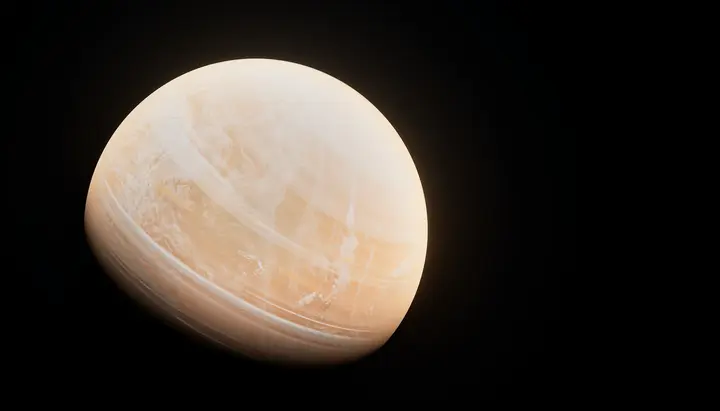
Thermal fusion is defined as the process that occurs in the inner core of the planet, where hydrogen is converted into helium by extreme temperatures and high pressures. This process results in the release of enormous heat energy, and it is this heat generated that the planet handles and affects its shape.
When thermal fusion occurs, enormous pressure is generated in the inner core of the planet. This pressure pushes the outer layers of the planet, leading to its growth and expansion. This growth and expansion produces a force that helps the planet take on a spherical shape. When the outer diameter of the planet increases, the pressure it exerts on its outer layers becomes equal on all sides, leading to the planet's spherical formation.
Temperature also plays an important role in thermal fusion and its influence on the shape of the planet. Converting hydrogen to helium requires extremely high temperatures, which heat the planet and maintains its high temperature. If it cools too much, the planet will lose its ability to thermal fusion, which can lead to a change in shape and deformation.
Central Force
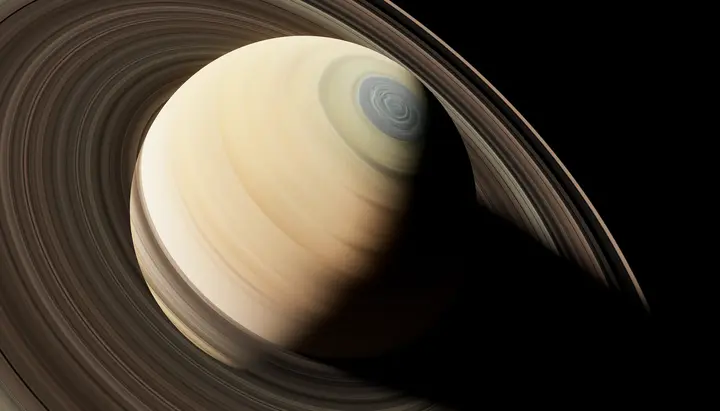
The centripetal force is a very important physical force in shaping the spherical shape of planets. This force groups matter in the center of the planet at its center and contributes to the distribution of mass evenly in all directions. The centripetal force draws each nearby object to the center of the planet, increasing the concentration at the top and reducing build-up at the bottom.
It is this centripetal force that ensures that the planet takes on a spherical shape, where there is a balance between the gravitational central force and other forces at act. The centripetal force contributes to the creation of an internal pressure equivalent to the external force that causes a deformation of the shape.
When the planet is in equilibrium, the pressure from the centripetal force equalizes with other forces acting and achieves an accurate spherical shape. Thanks to this even distribution of mass, we have a smooth and beautiful surface that makes the planet look round and amazing.
External influences
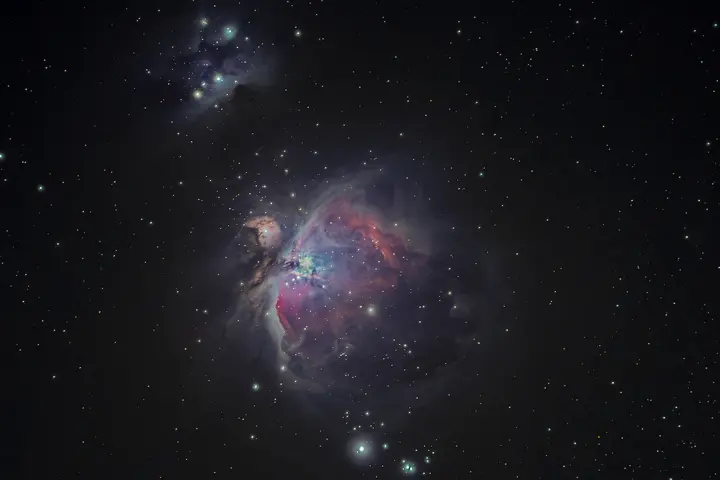
Exogenous influences include factors that come from outside the planet itself, such as collisions with asteroids and comets. When a collision with another celestial body occurs, huge changes can occur in the planet's surface and may cause its shape to deform. These collisions can lead to the formation of mountains, valleys and even volcanoes.
In addition, external weather factors affect the shape of the planets as well. Planets in the solar system have the atmosphere, and changes in atmospheric pressure and air movement may slightly distort the shape of the planets. For example, in the case of Earth, the force of the wind and the effects of storms affect the surface of the planet and may lead to the formation of soil and various geological formations.
Moreover, large forces such as cosmic gravity can affect the shape of planets as well. For example, when other planets pass by each other, orbital crosses and common effects can occur. These intersections affect the motion of the planets and may lead to slight changes in their shape.
External factors significantly affect the shape of round planets. Adverse collisions, air forces and the effects of cosmic gravity reflect the wonderful diversity that the universe can pose. Understanding these factors contributes to answering the question of why planets take on their beautiful round shape, and how the outside world affects their amazing formation.
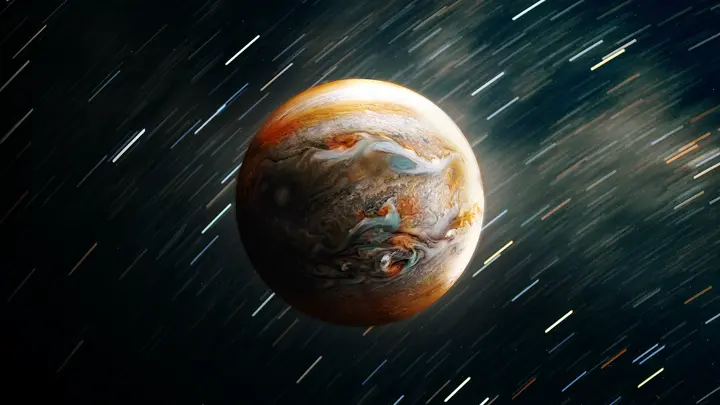
In short, planets appear round due to the influence of gravity and the internal forces that affect their structure. Thermal fusion and the centripetal force of the planets also play an important role in their formation. In addition, there may be external influences affecting the shape of the planets. By learning about all these factors, you'll discover why planets take on their beautiful round shape.
![]()
Mount St. Helens blast and rebirth
Mount St. Helens, once shattered by a deadly eruption in 1980, now stands as a powerful symbol of nature's recovery. From barren ash fields to thriving ecosystems, it shows how life returns. Today, it draws visitors eager to witness Earth’s healing and learn from its remarkable transformation. more- ADVERTISEMENT
![]()
Unexplained phenomena - a list that drives you crazy!
Marfa lights, glowing mysteriously in Texas deserts, and intricate crop circles bent into fields with no clear cause, both baffle scientists and spark theories from the natural to the supernatural. The Bermuda Triangle, too, remains a hotspot of intrigue, with ships and planes vanishing, leaving only questions and fascination behind. more- ADVERTISEMENT
![]()
History of Antarctica
History of Antarctica more- ADVERTISEMENT
![]()
The most expensive paintings that you could have painted yourself
The Most Expensive Paintings You Probably Could Have Painted Yourself more- ADVERTISEMENT
![]()
How exactly to spend your money to maximize happiness, according to the latest science
How exactly to spend your money to maximize happiness, according to the latest science more- ADVERTISEMENT
![]()
Global Solar Radiation: Regional Disparities and the Potential of the Middle East
Bathed in sunlight and embracing vast deserts, the Middle East shines as a global leader in solar energy. With over 3,000 annual sunshine hours, the region fuels innovation and growth, setting the stage for a bright, clean-energy future powered by the sun. more- ADVERTISEMENT
![]()
Al-Ayjah Lighthouse and Castle in the city of Sur in the Sultanate of Oman
With its stunning coastal views and iconic Al-Ayjah Lighthouse, Tyre—also known as Sur—stands as one of Oman’s oldest and most captivating cities. Rich in maritime history, this ancient port once welcomed over 150 ships daily, bridging trade between continents and continuing to shine through its timeless heritage. more- ADVERTISEMENT
![]()
Smart glasses help the sighted! A terrible scientific achievement!
AI-powered smart glasses are changing lives for the blind, offering independence through features like text reading, object and face recognition, navigation, and real-time translation. Though challenges like cost and privacy remain, users report life-changing benefits, and ongoing development promises even more possibilities for accessibility and inclusion. more- ADVERTISEMENT
![]()
3 inspiring success stories in difficult times
Fred DeLuca’s journey from washing dishes to founding Subway proves that persistence can turn a simple idea into a global empire, while Steve Jobs and Paulo Coelho show how resilience in the face of setbacks can lead to world-changing success and creative brilliance. more- ADVERTISEMENT
![]()
The four highest capitals in the world are located in Latin America, what are they?
Many Latin American capitals sit high in the mountains for reasons like cooler climates, better defense from pirates, and historical ties to indigenous sites. Cities like La Paz, Quito, and Bogotá remain notable for their altitude, beauty, and strategic importance since colonial times. more- ADVERTISEMENT