

Global Solar Radiation: Regional Disparities and the Potential of the Middle East



The sun, an inexhaustible source of energy, radiates its radiation unbiasively around the world, albeit to varying degrees. It is the great sustainable cosmic furnace. However, the vast geographical diversity of the Earth plays an important role in how this heavenly gift of energy is received and harnessed. Understanding these regional disparities is critical to unlocking the full potential of solar energy. This article explores daily solar flux data, incoming cumulative energy, and daily, monthly and yearly variations in solar energy reception across different parts of the world, highlighting the advantages of solar power in the Middle East compared to other regions.
Show key points
- The Earth's geography significantly influences how solar radiation is received and utilized, creating regional disparities in solar energy potential.
- Daily fluctuations in solar energy are driven by factors like latitude, season, and weather patterns, affecting patterns of energy production across different areas.
- Monthly solar reception varies greatly by region, with tropical zones experiencing consistent exposure and temperate regions showing significant seasonal shifts.
- ADVERTISEMENT
- The Middle East enjoys some of the highest annual solar radiation levels globally, making it an ideal hub for solar energy development.
- Access to solar flux and cumulative energy data enables strategic planning, helping optimize system design and identify high-potential solar investment zones.
- Despite challenges like water scarcity and land-use issues, the Middle East is leveraging innovation and investment to expand its solar infrastructure.
- By embracing its vast solar potential, the Middle East can lead the global shift towards renewable energy, promoting both sustainability and economic growth.
1. Solar Dynamics:
Recommend


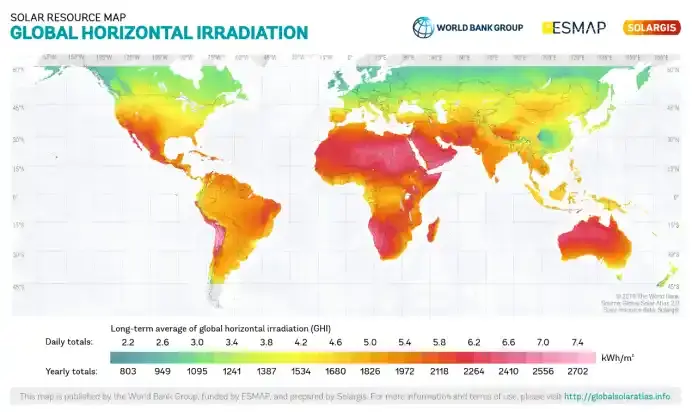
Daily fluctuations in the intensity of solar radiation vary throughout the day, and are influenced by factors such as latitude, season, and local weather patterns. Tropical worlds, such as embracing the green Amazon rainforest, have unique solar caresses, and these areas experience more uniform exposure to sunlight, and constant solar flow throughout the day, with peak intensity around midday. Conversely, the polar landscape appears to be covered in the winter ice and exposed to a fleeting glimmer of daylight, and these areas experience great fluctuations, with long periods of darkness in the winter months. Across continents, from the busy streets of New York City to the tranquil plains of the African savannah, the daily solar flux dances to the tune of the Earth's rotation, affecting patterns of energy production and consumption. By analyzing daily solar flux data, valuable data can be gained on the temporal changes of solar energy availability, helping to design and optimize solar systems. In general, the average solar energy received on the surface of the ground is about 340 watts per square meter. The Middle East, blessed with abundant sunshine, enjoys long hours of daylight, making it a major candidate for solar energy exploitation. The map of the world's total horizontal radiation shows that the Middle East receives over 2,000 kWh per square meter, among the highest radiation values in the world.
2. Monthly changes:
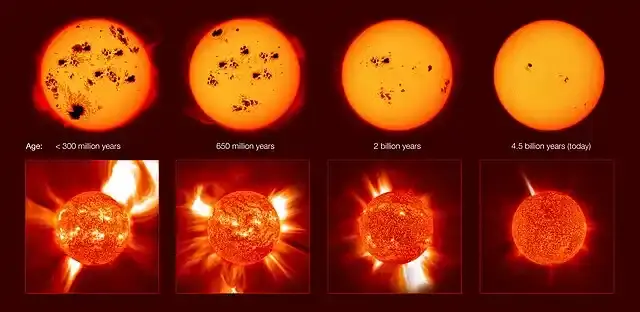
Monthly differences in solar reception appear as a symphony of light and shadow. A tropical paradise, where palm fronds sway in the perpetual summer breezes, experiences little seasonal variation in solar intensity. By contrast, temperate regions, covered in rich autumn colors, are experiencing a gradual decline in solar warmth. From Australia's sunny Gold Coast beaches to the snow-capped peaks of the Swiss Alps, the monthly solar flux charts a colourful journey, shaping the rhythm of life and energy use. For example, Scandinavia suffers from long winters with low solar inputs, necessitating alternative energy strategies. In turn, Middle Eastern countries benefit from continuous sunlight throughout the year, providing a stable platform for solar energy initiatives. By measuring the cumulative energy received, it is possible to assess the feasibility of solar energy projects, and identify areas ready for investment and development.
3. Annual sun exposure:
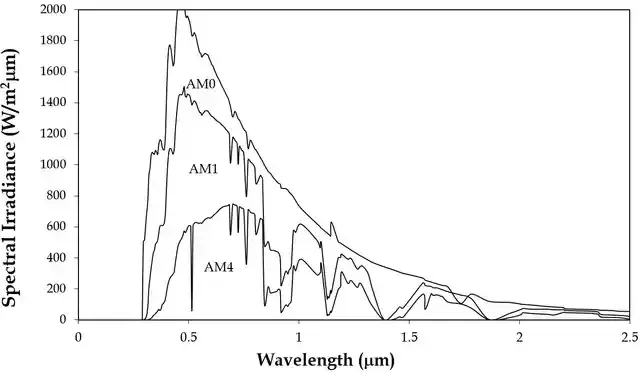
When comparing diverse geographic areas, the comparison of solar flux and cumulative energy shows regional variations in solar flux and incoming cumulative energy. The long-term projections of the annual duration of solar brightness provide insight into the region's overall solar potential. Areas long exposed to sunlight annually are ripe for large-scale solar projects, providing ideal conditions for power generation. Sub-Saharan Africa, Central Theft, and parts of South Asia have staggering periods of annual sun exposure, providing lucrative opportunities for solar investment. However, the Middle East is emerging as a beacon of solar abundance, with unparalleled annual hours of sunshine heralding the renewable energy revolution. In contrast, polar regions experience less solar flux and limited cumulative energy, necessitating alternative energy sources to meet local requirements. Understanding these regional nuances is critical to designing solar solutions for specific geographic contexts.
4. Middle East (Solar Power Plant):
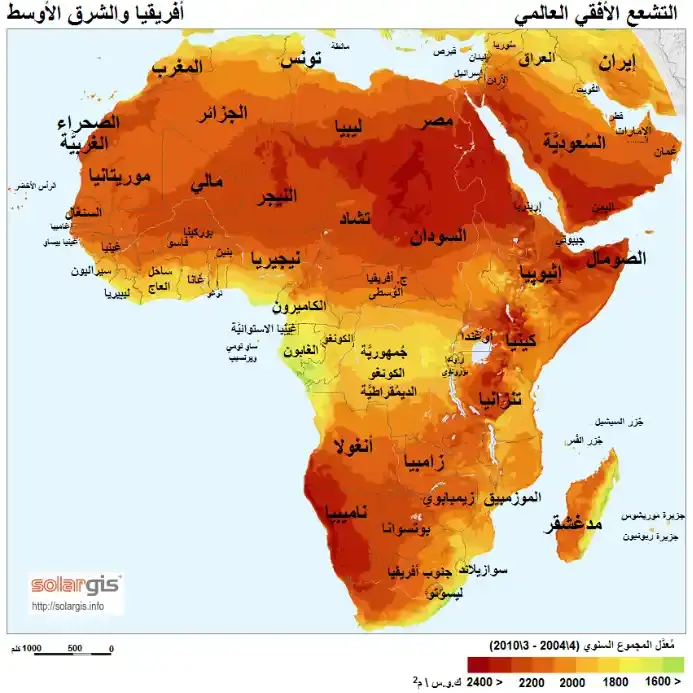
The Middle East is at the crossroads of continents and is emerging as a world leader in solar energy. With vast deserts and simple cloud cover, countries like Saudi Arabia, the United Arab Emirates and Qatar enjoy more than 3,000 hours of sunshine annually. This abundance of solar radiation places the region at the forefront of solar energy deployment, with ambitious projects underway to harness this untapped resource. From vast solar farms to innovative rooftop installations, the Middle East is leading the transition towards a sustainable energy future, with huge opportunities for solar deployment and economic growth. By harnessing its solar radiation, the Middle East can pave the way for a sustainable energy future, be a global leader in solar energy potential, and stand at the forefront of the solar revolution, illuminating paths towards a greener tomorrow.
5. Harnessing the potential and benefiting from solar energy data:
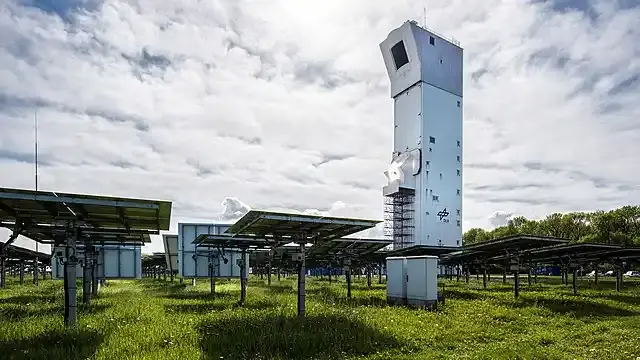
Access to solar flux and cumulative energy data enables policymakers, investors, and energy professionals to make informed decisions regarding solar projects. By leveraging advanced modeling techniques and satellite imagery, stakeholders can accurately assess the potential of solar energy, optimize the design of its systems, and maximize energy production. Amid the glittering promise of solar abundant energy, there are enormous challenges to overcome. Water scarcity, land-use conflicts, and technological barriers cast a shadow over the path to solar enlightenment. However, within these challenges lie the seeds of opportunity, which are waiting to be nurtured through visionary leadership and innovative solutions. By strengthening cooperation and investment in solar infrastructure, the Middle East can overcome these obstacles and catalyze a paradigm shift towards renewable energy dominance. As the region exploits the unlimited potential of the sun, it not only charts a path towards energy security, but also paves the way for a more sustainable and equitable future for generations to come. Unleashing solar energy in the Middle East comes with a host of challenges. Water scarcity, land-use conflicts, and technological constraints are obstacles to widespread adoption. However, the concerted efforts of governments and private institutions are overcoming these obstacles, driving innovation and investment in solar infrastructure. In the Middle East and beyond, harnessing solar data holds the key to unlocking the full potential of solar energy and accelerating the transition to a clean and renewable energy future. The Middle East's shift to solar energy not only reduces dependence on fossil fuels, but also promotes economic growth and environmental sustainability.
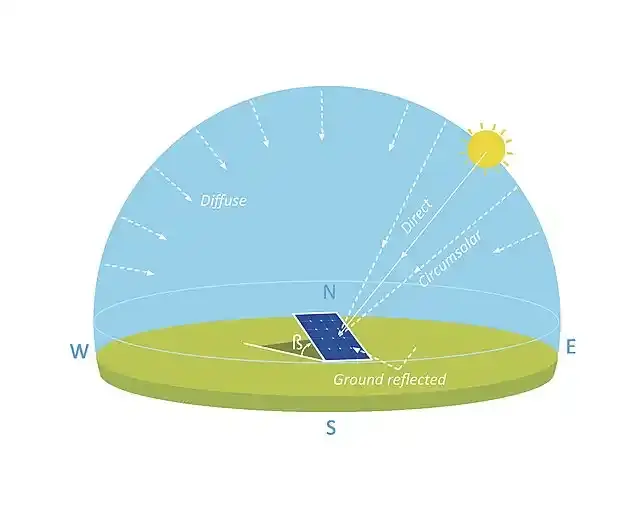
In the cosmic dance of light and shadow, and the global solar ebb and flow landscape, the Middle East stands out as a beacon of solar potential that illuminates the path towards a cleaner and brighter future, and stands ready to lead the way towards a sustainable energy future. By harnessing solar flux data and cumulative energy data, you can harness the abundant sunshine and illuminate the path to a world powered by clean and renewable energy sources. The region can also catalyze the renewable energy revolution and set an example for the world. By embracing the power of the sun, its rays can be harnessed to illuminate homes and communities, revitalize economies, provide energy for industries, preserve the planet for future generations, and propel humanity towards a sustainable tomorrow.
![]()
How to deal with difficult people and people with a capricious mood?
How to deal with difficult people and people with a capricious mood? more- ADVERTISEMENT
![]()
Learn how to learn: strategies to acquire difficult skills
Learning new skills is key to success today, but it’s not easy. Using practical strategies like learning by doing, setting clear goals, and using online tools can help. Overcoming frustration and staying motivated are also important for progress and creativity. more- ADVERTISEMENT
![]()
At each moment, there are about 2,000 thunderstorms occurring on Earth.
Thunderstorms are powerful and common, with up to 2,000 happening worldwide at once. Florida tops the U.S. in stormy days, but Venezuela's Lake Maracaibo holds the lightning strike crown. When thunder roars, go inside—lightning is closer than you think and more dangerous than most realize. more- ADVERTISEMENT
![]()
Secrets of academic excellence: how to achieve the highest grades with effective methods
Secrets of academic excellence: how to achieve the highest grades with effective methods more- ADVERTISEMENT
![]()
Creativity without borders: practical ideas to develop your creative skills
Creativity lives in all of us—it's not a gift for the few, but a skill we can all grow. With the right habits, fresh experiences, and a supportive environment, we can overcome fear and routine to unlock ideas that spark innovation and make life more exciting and meaningful. more- ADVERTISEMENT
![]()
The epic story of the Valley of the Kings in Luxor
Hidden under Egypt's desert sands, the Valley of the Kings holds grand tombs built to protect pharaohs like Tutankhamun and Seti I. Rich in secrets and treasure, it offers a journey into ancient history, where engineering genius met sacred beliefs in the afterlife. A mesmerizing destination for any explorer. more- ADVERTISEMENT
![]()
Daily habits of high achievers: how to build a successful study routine
Daily habits of high achievers: how to build a successful study routine more- ADVERTISEMENT
![]()
A Simple Guide to Introducing Yourself: Creating an Unforgettable First Impression
Introducing yourself is more than just saying your name—it’s a chance to show personality, goals, and values. By sharing achievements, teamwork skills, and even hobbies, you can make genuine connections and leave a strong impression, all while staying clear, honest, and adaptable in every interaction. more- ADVERTISEMENT
![]()
Hospice of the King's Assistant... Masterpieces of art and color harmony in Kermanshah
The King’s Assistant Hospice in Kermanshah, a Qajar-era gem, shines with vivid tiles and graceful arches. Built for religious ceremonies and tribal reconciliation, it also holds tales of conflict, peace, and deep-rooted Persian hospitality. Today, it stands as a museum and a beautiful reminder of cultural and spiritual legacy. more- ADVERTISEMENT
![]()
Aswan City "Sono" ... Land of gold, tranquility and goodness
Aswan, once called Sono or the Land of Gold, is a magical city blending ancient history, stunning temples like Abu Simbel and Philae, and rare natural wonders—like shadowless solstice days. Its warm people, sun-filled skies, and legendary sites make it an unforgettable destination, especially in winter. more- ADVERTISEMENT