

Dandruff: causes and how to prevent them



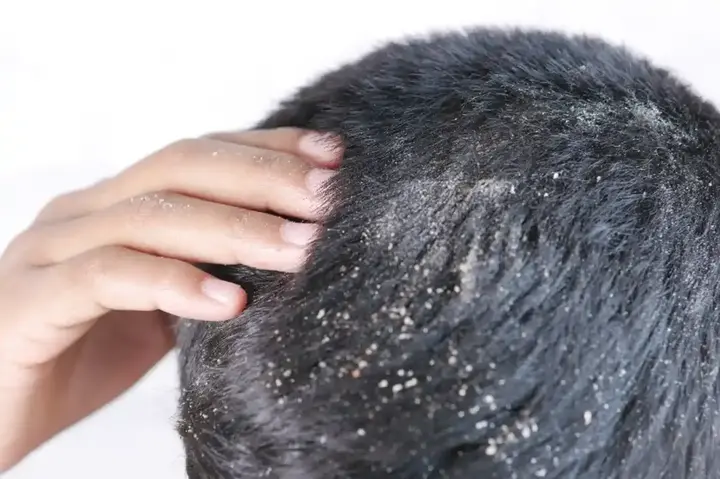
Dandruff is a common condition that affects the scalp in millions around the world. They appear as white or yellow flakes of dead skin, which can be uncomfortable and embarrassing. Dandruff is often accompanied by itching and irritation, and is mainly caused by an overgrowth of fungi that are naturally present on the scalp or as a result of factors such as dry skin, sensitivity to hair products, or some other skin condition. But dandruff can be controlled with proper care and routine.
Show key points
- Dandruff is a widespread scalp condition characterized by white or yellow skin flakes, often causing discomfort and itching.
- The primary cause of dandruff is the overgrowth of the fungus Malassezia, which irritates the scalp by breaking down natural oils.
- Other factors like dry skin, allergies to hair products, poor scalp hygiene, and seborrheic dermatitis can also contribute to dandruff.
- ADVERTISEMENT
- Using anti-dandruff shampoos containing ingredients like zinc pyrithione, ketoconazole, or salicylic acid can significantly reduce symptoms.
- Maintaining good scalp hygiene and regularly washing hair can prevent oil and dead skin buildup that fosters dandruff.
- Keeping the scalp moisturized, especially in cold weather, helps prevent flaking due to dryness.
- Managing stress, avoiding irritating hair products, and eating a balanced diet rich in essential nutrients can all support a healthy, dandruff-free scalp.
We will address what causes their appearance, and the best effective ways to maintain a healthy and dandruff-free scalp.
Causes of dandruff

1. Fungi growth (Malassezia)
The most common primary cause of dandruff is a fungus called Malassezia globosa, which is found naturally on the scalp. This mushroom feeds on sebum, a natural oil produced by the sebace glands. When Malassezia breaks down sebum, oleic acid is produced, which can cause irritation in people who are allergic to it. This irritation increases the speed of skin cell shedding, resulting in a visible dandruff. In people with dandruff, this process occurs faster than usual, making dandruff more noticeable.
Recommend


2. Dry skin
Cold, dry weather can dry the scalp, causing flaking. Unlike dandruff caused by fungal growth, dandruff caused by dry skin is usually smaller and less oily. When the skin is deprived of moisture, it can become rough and excessively peel off. People who have naturally dry skin are more prone to this type of dandruff, especially in the colder months when heating systems and low humidity increase skin dryness.
3. Allergy to hair products (contact dermatitis)
Some people develop dandruff-like symptoms as an allergic reaction to certain hair products, a condition known as contact dermatitis. This allergy can be caused by certain ingredients in shampoos, conditioners or hair dyes, especially those that contain strong fragrances, alcohol or strong chemicals such as sulfates and parabens. Contact dermatitis can lead to itching, redness and scaling of the scalp, resembling dandruff.
4. Lack of hygiene in the scalp
Poor washing or not rinsing hair thoroughly can allow the accumulation of oils and dead skin cells, creating a favorable environment for dandruff to develop. Although excessive hair washing can lead to dry scalp, too little hair wash can lead to excess sebum buildup, promoting fungal growth and dandruff formation.
5. Stress and hormonal changes
Stress doesn't directly cause dandruff, but it can make it worse. When stressed, the body's immune system can weaken, making it easier for the fungi that cause dandruff to multiply. Hormonal changes, such as those that occur during puberty or pregnancy, can increase oil production in the scalp, which can lead to dandruff.
6. Seborrheic dermatitis
Seborrheic dermatitis is a more severe form of oily skin irritation. It usually affects areas rich in sebaceous glands, such as the scalp, face and chest. In this case, the skin becomes oily, red, covered with white or yellow scales. It is similar to a normal dandruff but also includes an immune response that causes inflammation. Common triggers for worsening the condition include stress, hormonal changes, and extreme weather.
How to prevent dandruff
1. Use an anti-dandruff shampoo
Anti-dandruff shampoos contain ingredients that target dandruff-causing causes such as fungal growth and excess oil. Look for shampoos that contain ingredients such as:
● Zinc pyrithione: reduces fungal growth and inflammation.
● Ketoconazole: A powerful antifungal that helps control malassezia.
Salicylic acid: exfoliates dead skin cells and helps remove scalp buildup.
● Tar: slows down the process of skin cell regeneration, which is useful in cases of seborrheic dermatitis.
Use an anti-dandruff shampoo two to three times a week, or as directed on the product.
2. Keep the scalp clean
Wash your hair regularly to remove excess oil, dead skin cells, and product buildup. A hygienic washing routine helps control the environment in which the fungus that causes dandruff grows. Avoid excessive hair washing, as it may lead to dry scalp and increased flaking.

3. Moisturize the scalp
Dry skin is one of the common causes of dandruff. Choose a gentle moisturizing shampoo and avoid harsh sulfates. You can also use scalp oils (such as coconut oil or tea tree oil) to keep the scalp hydrated. Massage the oil on the scalp and leave it for 10-15 minutes before washing it and this should be done especially in the winter as the cold leads to drying out of the scalp.

4. Avoid hair products that irritate the scalp
Perfumes, alcohol and harsh chemicals in styling products can irritate the scalp, leading to dandruff-like symptoms. Choose products that are intended for sensitive scalps or gentle ingredients. Try spending days without products to relieve your scalp of potentially irritating substances.
5. Reduce stress
Stress can increase dandruff by affecting hormone levels and immune system response, facilitating fungal growth on the scalp. Try stress management techniques such as meditation, deep breathing, exercise, or hobbies to help you relax.
6. Eat a balanced diet
Deficiencies of certain nutrients such as zinc, B vitamins, and healthy fats can affect the health of the skin and scalp. Include foods rich in these elements such as leafy greens, whole grains, nuts, and fatty fish to support scalp balance.
![]()
Discover the Impossible: Turning Deserts into Dense Forests – Dream or Reality?
Desert greening turns dry, barren land into fertile areas using water-saving tech, solar and wind energy, and special soil treatments. One major project, the Sahara Forest Project, aims to fight drought and climate change while boosting local economies by transforming parts of the Sahara and Sahel into green spaces. more- ADVERTISEMENT
![]()
Saving our seas: Can we remove plastic pollution?
Plastic pollution is everywhere—from oceans to our drinking water. Ocean cleanup efforts like The Ocean Cleanup aim high but also come with side effects, including harming marine life and adding to carbon emissions. The real solution? Stop single-use plastic at the source before it ever reaches the sea. more- ADVERTISEMENT
![]()
6 terrible inventions that killed their inventors
6 terrible inventions that killed their creators more- ADVERTISEMENT
![]()
7 physical cues that can help you read someone like an open book
Body language reveals more than words—handshakes, smiles, and even foot movements hint at confidence, stress, or honesty. A dominant handshake may suggest control; sincere smiles reach the eyes; fidgeting signals anxiety. Pay attention to these subtle cues, but always consider context—it's the key to truly understanding someone. more- ADVERTISEMENT
![]()
Reading useless books: Here's a better way to read
Reading books can be slow, outdated, and too passive for today’s fast-paced world. Active learning—like discussing, questioning, and applying knowledge—plus modern tools like podcasts and online courses, make learning faster, deeper, and more fun. more- ADVERTISEMENT
![]()
Beyond Burj Khalifa: Uncovering the Spirit of Dubai through its Metro
Dubai Metro isn't just a ride—it's a futuristic journey wrapped in art, culture, and record-breaking feats. From Wi-Fi on board to stations named after shops, it’s where innovation meets daily buzz. Just don’t fall asleep, or it might cost you AED 300! more- ADVERTISEMENT
![]()
9 reasons why small businesses fail
9 reasons why small businesses fail more- ADVERTISEMENT
![]()
The splendor of nature and the challenge of conditions in the oasis of Taghit in western Algeria
Taghit is a hidden gem in western Algeria, where golden dunes meet ancient history. Adventure seekers can sandboard down towering dunes, explore mysterious caves, or discover 20,000-year-old rock carvings. The ancient walled city of Kassar, once forgotten, is now being restored to its former glory. more- ADVERTISEMENT
![]()
The four highest capitals in the world are located in Latin America, what are they?
Many Latin American capitals sit high in the mountains for reasons like cooler climates, better defense from pirates, and historical ties to indigenous sites. Cities like La Paz, Quito, and Bogotá remain notable for their altitude, beauty, and strategic importance since colonial times. more- ADVERTISEMENT
![]()
Embracing stupidity: the hidden value of our mistakes
Embracing stupidity: the hidden value of our mistakes more- ADVERTISEMENT