

Replica of Belgrade: exploring the lonely architecture of the Serbian capital


Belgrade, the vibrant capital of Serbia, is a city where history and modernity blend into a stunning architectural and cultural fabric. Its unique urban fabric, shaped over thousands of years of conflict, conquests and transformations, offers a fascinating glimpse into different architectural styles. Brutalist architecture, one of the most recognizable of these styles, features majestic raw installations that speak of the city's socialist past and post-war reconstruction. This article explores different aspects of Belgrade's architecture, culture, economics and history, focusing on the famous lonely installations that make up some of its identity today.
Show key points
- Belgrade’s architecture is a striking blend of historical influences and brutalist structures that reflect its socialist past and resilience.
- Strategically situated at the confluence of the Sava and Danube rivers, Belgrade has served as a key military and commercial hub throughout its turbulent history.
- The city is a cultural powerhouse, home to major institutions, festivals, and a vibrant music scene that bridges Eastern and Western traditions.
- ADVERTISEMENT
- Belgrade significantly contributes to Serbia’s economy, generating around 40% of its GDP through thriving sectors like IT, finance, and construction.
- Tourism in Belgrade is booming, with attractions such as the Belgrade Fortress, St. Sava Church, and the bohemian Skadarlija drawing nearly two million visitors in 202
- The city’s diverse cuisine, influenced by Ottoman, Austrian, and Balkan flavors, offers traditional dishes like ćevapi, sarma, and the iconic rakija drink.
- Ongoing urban development projects, such as the controversial Belgrade Waterfront, aim to modernize the city while sparking debates about heritage preservation.
1. Belgrade: location and history.
Recommend


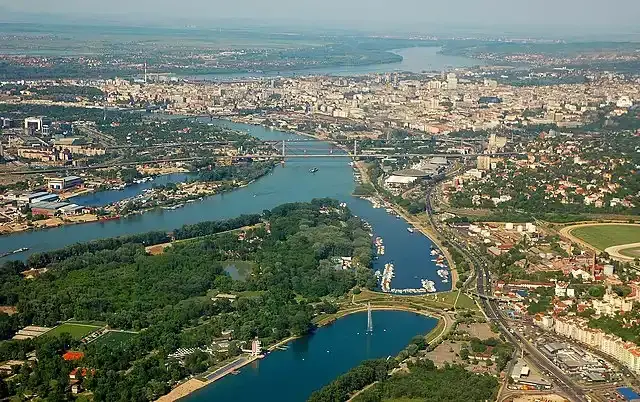
Belgrade is located at latitude 44°48′N and longitude 20°28′E, strategically located at the crossroads of Eastern and Western Europe. It is located at the confluence of the Danube and Sava rivers, covering an area of about 360 square kilometres (140 square miles). This location made Belgrade an important military and commercial center for various empires, including the Romans, Byzantines, Ottomans, and Austro-Hungarians.
The city's turbulent history is marked by numerous invasions and reconstructions. Belgrade has been destroyed and rebuilt more than 40 times, earning it the nickname "White City" (meaning its name) due to its ability to recover. It became the capital of socialist Yugoslavia after World War II, and remained so until the dissolution of Yugoslavia in the early nineties. This historical background is essential to understanding architecture, especially the brutalist style, which emerged during the socialist era to symbolize strength, unity and reconstruction after the devastation of World War II.
2. Population of Belgrade.
According to the latest census, Belgrade has a population of about 1.68 million, accounting for about a quarter of Serbia's total population. This makes it the largest city in Serbia and one of the largest in Southeastern Europe. The city is home to a diverse mix of ethnicities, including Serbs (about 90%), with minorities such as Roma, Croats, Montenegro and Albanians. The population density is about 3,964 people per square kilometer, and the urban area spans 3,223 square kilometers (1,244 square miles).
The city has seen significant growth in recent years, partly due to internal migration, with many people moving from rural Serbia and the Balkans to Belgrade in search of better economic opportunities.
3. Economy of Belgrade.
Belgrade is the economic engine of Serbia, generating about 40% of the country's GDP. With a regional GDP of over €23 billion (2021), the city boasts thriving industries in finance, information technology, construction, trade and communications. The city is home to some of the largest Serbian and international companies, including Telekom Srbija, Delta Holding, and NIS (Naftna Industrija Srbije), the country's largest oil company.
Unemployment rates have steadily declined, and as of 2023, Belgrade's unemployment rate is around 9.5%, which is below the national average. Foreign direct investment (FDI) has been a major driver of the city's economic growth, especially in the construction and real estate sectors.
4. Cultural and artistic life in Belgrade.
The cultural and artistic life in Belgrade is rich and diverse, and has deep roots in Eastern and Western traditions. The city is home to several cultural institutions, including the Serbian National Museum, which houses more than 400,000 works, and the Museum of Contemporary Art, the pioneer of modern art in the Balkans. Belgrade is also known for its festivals, such as BITEF (Belgrade International Theatre Festival) and FEST, one of the oldest and largest film festivals in Southeast Europe.
Music also plays an integral role in the cultural identity of the city, from classical performances at the Belgrade Philharmonic Orchestra to thriving jazz and electronics scenes in various clubs and open spaces.
5. Tourism in Belgrade.
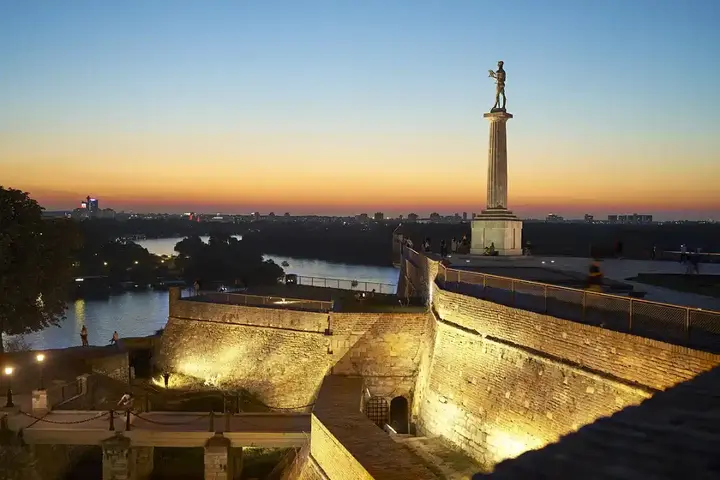
Tourism has seen remarkable growth in Belgrade, with the city attracting more than 1.9 million visitors in 2023, a significant increase compared to the previous decade. The majority of tourists come from neighboring Balkan countries, followed by visitors from Germany, Russia, China and Turkey.
Major tourist attractions include:
Belgrade Castle: Overlooking the confluence of the Sava and Danube rivers, this historic castle dates back to the Celtic and Roman eras, offering panoramic views and centuries-old structures.
Kalimegdan Park: Located around the castle, this park is a popular place for both locals and tourists, offering cultural exhibitions, statues, and outdoor events.
Church of St. Sava: One of the largest Orthodox churches in the world, its majestic white marble structure is a symbol of Serbian identity.
Skadarliga: Often compared to the Montmartre district of Paris, this bohemian region is famous for its cobbled streets, traditional taverns (kavanas) and artistic history.
6. Culinary traditions in Belgrade.
Belgrade's culinary landscape is diverse, reflecting its multicultural history. The city's cuisine blends traditional Serbian dishes with Turkish, Hungarian and Austrian influences, creating a unique gastronomic experience. Main traditional dishes include:
Ćevapi: grilled minced meat sausage, often served with flatbread, onions and ajvar (ajvar roasted pepper sauce).
Sarma: cabbage rolls stuffed with minced meat and rice.
Kajmak: A creamy, creamy dairy product similar to whipped cream, often served as an additive to grilled meats.
Rakija: The national drink of Serbia, the fruit brandy that comes in a variety of flavors, with plum (šljivovica) being the most famous.
Restaurants thrive in Belgrade, offering a mix of traditional Serbian dishes and modern international cuisine, attracting locals and visitors alike.
7. Architecture and construction style in Belgrade.
Belgrade's architecture is a blend of Ottoman and Austrian influences, Art Nouveau and modernism, but perhaps the most striking aspect of the architectural landscape is the dominance of lonely architecture. The lonely structures, developed during the socialist era from the fifties to the seventies, are distinguished by their large raw concrete shapes and utilitarian aesthetics. The style was favored as a representation of power, order, and progress in the postwar period.
8. The probabilistic lonely character of Belgrade architecture.
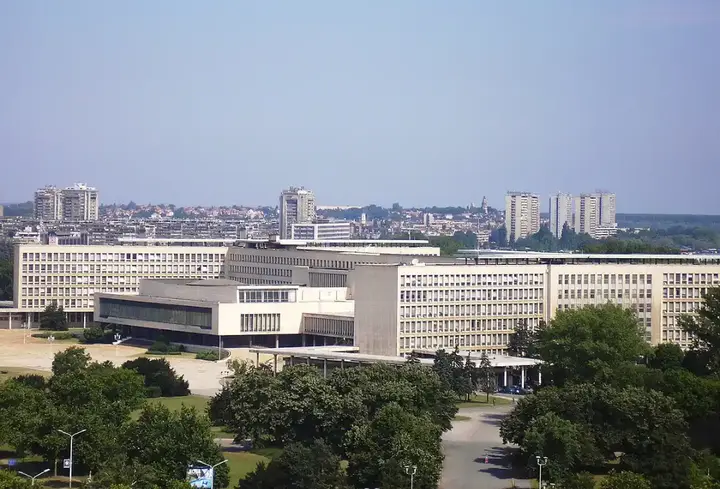
Belgrade's lonely landmarks are among the most recognizable in the Balkans. These features include:
Jinx Tower (West City Gate): One of the tallest buildings in Belgrade, at 135 metres (443 ft), this concrete giant of two towers connected to a revolving restaurant, is a futuristic symbol of socialist modernity.
Palace of Serbia: Formerly known as the "Federal Executive Council", this sprawling structure was built in the fifties and sixties of the last century and is one of the most prominent examples of lonely architecture in Belgrade.
Biggs Building: This huge concrete building was a printing factory, and then became a symbol of the legacy of the city's lonely architecture. Today, it has become a hub for artists, musicians and alternative culture.
Opinions about lonely architecture have long been divided. While some see it as ugly-looking, others admire its boldness and symbolic significance. In Belgrade, it remains an important reminder of the Yugoslav socialist period and its architectural ambitions.
9. Wonders of Belgrade.
Besides its urban architecture, Belgrade offers a mix of natural and urban wonders. The river-turned-river island Ada Ciganlija is one of the city's most popular entertainment areas, attracting more than 100,000 visitors on summer weekends. Zemun, a historic town on the right bank of the Danube, is part of the Belgrade metropolitan area and offers charming architecture and cobbled streets, in contrast to the city's concrete brutality.
10. Future development in Belgrade.
Belgrade is undergoing a major urban transformation, with many large-scale projects shaping its future. The largest is Belgrade's waterfront project, a multi-billion euro development project aimed at transforming the banks of the Sava River into a modern urban area with luxury apartments, shopping malls and hotels. While this development has sparked controversy due to rapid renewal and displacement of local communities, it underscores the city's ambition to modernize and compete globally.
Future projects also aim to integrate sustainability with the preservation of historical heritage, with plans to restore old neighborhoods while promoting eco-friendly construction and green spaces.
Belgrade's architectural landscape tells the story of a city in constant transformation. From its ancient fortress to the majestic lonely architectural monuments of the socialist era, Belgrade is a reflection of its complex past and aspirations for the future. As the city continues to evolve, balancing modern development with the preservation of historical heritage, its architecture will remain an essential part of its identity. Whether you admire or criticize its brutal architecture, it is impossible to deny the powerful mirror it holds of the city's history, culture and spirit of recovery.
![]()
The most impressed Japanese techniques in modern times
Japan keeps surprising the world with weird yet useful inventions—like heated toilet seats and noise-canceling forks. One standout? Healthcare robots that assist the elderly, making life easier and healthcare smarter. Also, karaoke, born in Japan, totally changed entertainment. It's clear: Japan knows how to mix fun, tech, and innovation. more- ADVERTISEMENT
![]()
Moving forward still represents progress: trusting the process and taking my own best advice
Moving forward still represents progress: trusting the process and taking my own best advice more- ADVERTISEMENT
![]()
My strategies for developing business confidence
Asking for a raise taught me a powerful lesson: confidence and self-advocacy matter. Despite battling impostor syndrome and anxiety, I learned to challenge my inner critic, celebrate my wins, and take risks. That one bold step led to growth, success, and a stronger belief in myself ever since. more- ADVERTISEMENT
![]()
How to deal with difficult people and people with a capricious mood?
How to deal with difficult people and people with a capricious mood? more- ADVERTISEMENT
![]()
The Historical Arch of Egyptian Blue: A Journey Through Time
The Historical Arc of Egyptian Blue- A Journey Through Time more- ADVERTISEMENT
![]()
Simple ways to ascertain the nature of the curved ground
You don't need fancy tools or deep science to see Earth's curve—just use your camera, observe buildings, watch ships at sea, enjoy a flight, explore space photos, witness an eclipse, or study ocean tides. These simple experiences reveal the beautiful, curved nature of our planet in creative and exciting ways. more- ADVERTISEMENT
![]()
How to learn any language in a short time? 8 practical tips
There’s no quick fix for learning a language, but with steady effort and the right methods—like setting goals, practicing daily, or using apps like Duolingo—you’ll improve with time. Surround yourself with the language and focus on real-life use rather than just grammar. more- ADVERTISEMENT
![]()
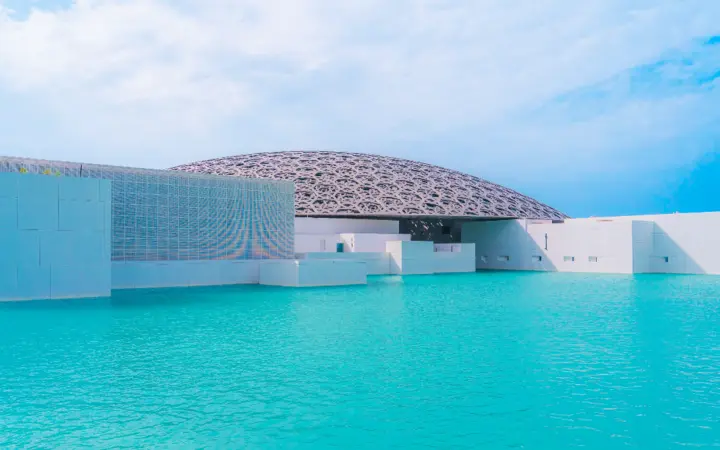
Louvre Art Museum in Abu Dhabi
Louvre Abu Dhabi blends global art with Arab heritage under a stunning dome that filters sunlight into artistic “rays of light.” With its current Post-Impressionism exhibition featuring van Gogh and Cézanne, and outdoor Art Here show for regional artists, it’s a unique, inspiring destination for creative exploration. more- ADVERTISEMENT
![]()
At each moment, there are about 2,000 thunderstorms occurring on Earth.
Thunderstorms are powerful and common, with up to 2,000 happening worldwide at any time. Florida sees the most in the U.S., while Venezuela’s Lake Maracaibo holds the record for lightning. Remember: if you hear thunder, go inside—lightning can be deadly, even from miles away. more- ADVERTISEMENT
![]()
A river pushes the summit of Mount Everest up
Mount Everest, rising over 8,848 meters, stands as a giant shaped by tectonic power. Though rivers usually erode, a thought-provoking idea explores if sediment buildup could subtly aid Everest’s growth. This fascinating concept highlights how even opposing natural forces—like erosion and uplift—can together shape the Earth’s greatest peaks. more- ADVERTISEMENT