


The greatest moments of dazzling in classical music



Here you go, relaxing with a little seventeenth-century choir music in Sistine Chapel and then suddenly! High C tone is one of high tones and with it emotional overload. The work itself is a sublime nine-voice preparation for Psalm 51: Miserere mei, Deus, ("Have mercy on me, O God"). The meditative piece is an exchange between two choirs, with the quartet featuring a famous high note. Legend has it that the original manuscript was closely protected by the authorities of the Sistine Church so that heavenly music would not be heard outside those most feared places. This is until Mozart came to the show, and then wrote it to a note of memory. This story in itself deserves "surprise".
Show key points
- Allegri's "Miserere" features a famously emotive High C that surprises listeners amidst its serene choral flow.
- Beethoven’s Ninth Symphony culminates in an exhilarating choral eruption of Schiller’s "Ode to Joy," a groundbreaking moment in symphonic history.
- Elgar’s Cello Concerto begins with a haunting solo line bursting with melancholy, composed in the shadow of war and disillusionment.
- ADVERTISEMENT
- Wagner’s “Tristan chord” opened new harmonic possibilities in classical music, becoming a symbol of unresolved emotional tension.
- The dramatic finale of Mozart’s Don Giovanni depicts the terrifying descent into hell, transforming a comic opera into a moral reckoning.
- In Thomas Tallis’s “Spem in alium,” the majestic entrance of 40 separate vocal lines creates a breathtaking wall of sacred sound.
- Handel’s “Zadok the Priest” builds with majestic intensity before exploding into a jubilant choral celebration fit for kings.
- Stravinsky’s riot-igniting “Rite of Spring” disrupted musical norms with its primal rhythms and avant-garde structure.
- Hildegard von Bingen composed visionary sacred music that continues to captivate with its ethereal beauty and innovative character. 1
- The Queen of the Night's aria in Mozart’s “The Magic Flute” stuns with its demanding coloratura and sky-high vocal fireworks.
1. The highest C note in Allegri's "Miserere"
Recommend


Here you go, relaxing with a little seventeenth-century choir music in Sistine Chapel and then suddenly! High C tone is one of high tones and with it emotional overload. The work itself is a sublime nine-voice preparation for Psalm 51: Miserere mei, Deus, ("Have mercy on me, O God"). The meditative piece is an exchange between two choirs, with the quartet featuring a famous high note. Legend has it that the original manuscript was closely protected by the authorities of the Sistine Church so that heavenly music would not be heard outside those most feared places. This is until Mozart came to the show, and then wrote it to a note of memory. This story in itself deserves "surprise".
2. The climax of Beethoven's Ninth Symphony
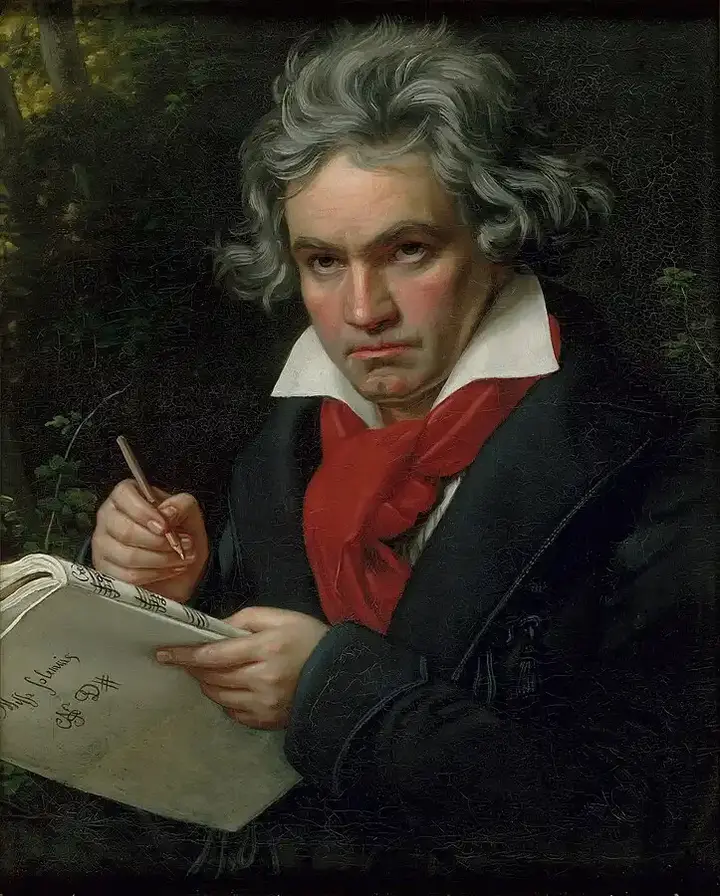
Ludwig van Beethoven's Last Symphony is an epic from beginning to end, with many moments that make the pulse accelerate. However, it is the last movement that really starts moving. Finally, the choir and soloists join the orchestra for the first time in the history of the symphony and shout one of the composer's favorite poems. "The Poem of Joy" by the German poet Friedrich Schiller. The lyrics speak of the brotherhood of man and heaven on earth – and the moment when everyone screams the cheerful hymn is one of the most surprising moments in all music.
3. Strings of the opening of the cello concerto for Elgar
Few openings quickly attract the heart like this one. The tormented solo strings of the cello scream before the orchestra plays Elgar's sad melody. At the time of composing this piece of music in 1918, the composer was sixty-one years old, feeling that the best years of his life might be over. War also devastated the world. This piece has a contemplative autumn atmosphere that relieves spasm and explores pure emotions. You can feel it from the first scale.
4. Tristan tendon
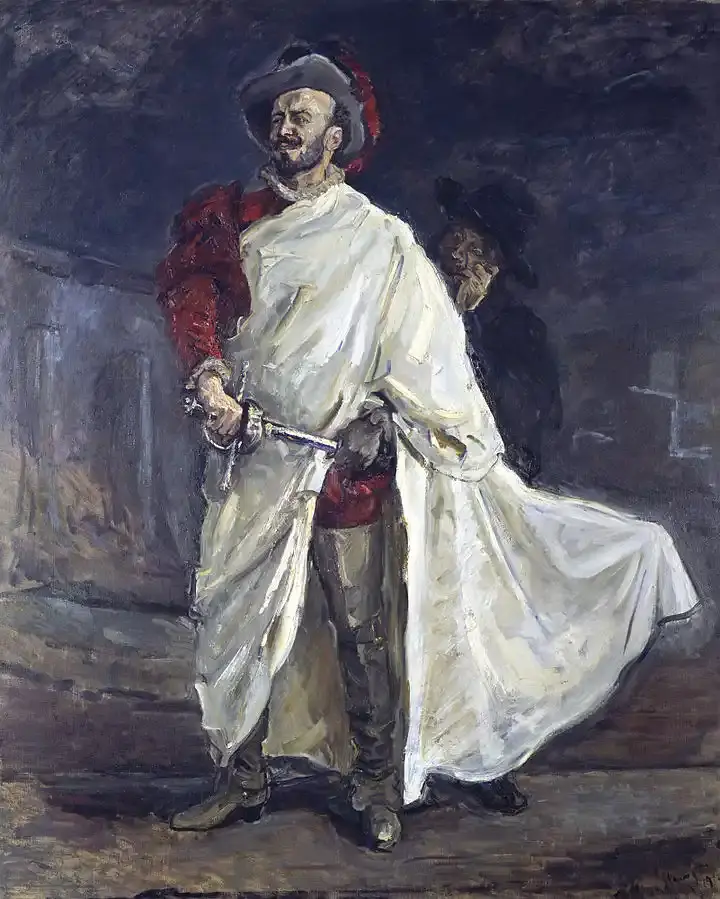
Can just one chord change the course of music history? Richard Wagner never hesitated about things that change the world, and this wonderful little breakthrough at the opening of Tristan and Isolde's opera caused a sensation. In fact, you have to sit for four hours of opera to hear it solve, eventually. Technically, it's a magnified fourth, a sixth magnified sixth and a ninth magnified above the root, but the idea of telling epic stories through discordant and unsolved harmony has made it revolutionary, and gives it the dazzling factor to this day.
5. Don Giovanni is dragged to hell
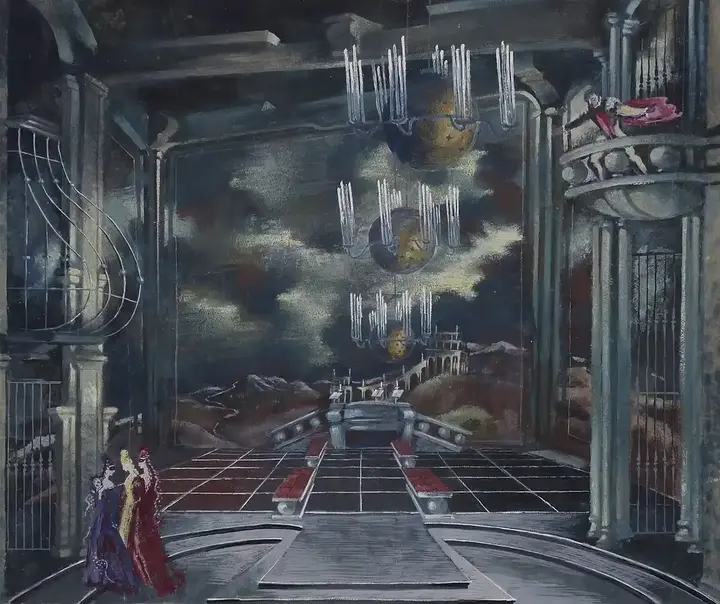
In fact, much of Don Giovanni for Mozart is very funny, with lots of love jokes and farce, but things take an incredibly sinister turn in the end when Don finally confronts himself and is forced to atone for his sins. A slow knock is heard on the door, and Giovanni opens it and faces a stone statue of the leader, who pulls the screaming punk into the fiery underworld. Mozart's setting of music deserves the big screen and the entire scene will leave you open-minded, terrified and determined not to sin like poor Don.
6. When the Forty Voices Meet in Spem in alium
Spem In Alium was composed in 1570 by one of England's greatest Renaissance authors, Thomas Thales. Think about the popular composition of choral music at the time from 4 sounds of soprano, alto, tenor and bass – then imagine what Thales did in multiplying that by 10. One piece of music and 40 independent sounds, in the most spectacular and dazzling polyphony imaginable. The moment when all forty voices enter at once is an amazing and unforgettable moment.
7. "Zaadok priests!"
Handel knew how to paint the scene, build it, and then give a flash of joy. Vibrant slow strings begin this hymn and lead us to powerful choral explosions. The anthem was composed for the choir and full baroque orchestra, as part of a series of acts for the coronation of George II in 1727 and has been sung at every coronation ever since. It was also the first piece of music we played on Classic FM when it was launched in September 1992. Because we wanted to start with "wow".
8. A ritual that drives madness
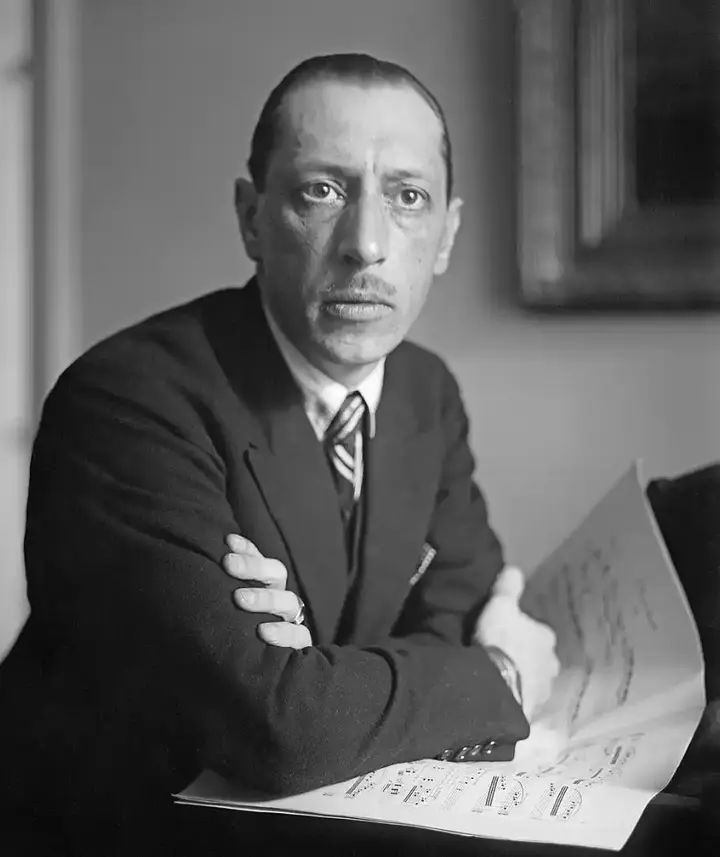
Imagine being so angry and confused by a piece of music that you start a riot. Igor Stravinsky's spring ritual was the original annoying authority, with an initial show representing a piece of classical music legend. When it premiered at the Champs-Elysées in Paris on May 29, 1913, the avant-garde nature of music and dance caused a stir among those present. Stravinsky's music is full of accumulated multiple rhythms that seem modern to this day. Just listen to the Ogurus of Spring opera below.
9. The amazing vocal music of Hildegaard von Bingen

Hildegaard von Bingen, a twelfth-century theologian, mystic, scholar and composer, was one of the greatest geniuses the world has ever known. Her music was very spiritual and spiritual, but also musically innovative and has fascinated scientists and listeners ever since.
10. The stratospheric queen of the night
This great song comes from the opera Mozart full of fantasy magic flute of 1791. Acoustic fireworks begin when the Queen of the Night gives a knife to her daughter Bamina and asks her to assassinate her archenemy, the magician Sarastro. This style of singing is called coloratura. It is distinguished by dexterity, long syllables, high tones and extreme drama mood. As the Queen of the Night gets angry, Mozart raises her voice to high levels, singing choppy tunes rising to F above the upper C – some of the loudest notes ever written for a singer. What a magnificence.
![]()
5 habits to save on your monthly allowance
5 habits to save on your monthly expenses more- ADVERTISEMENT
![]()
5 ways to change your mindset today
Only 8% of people actually reach their goals, and what sets them apart is their powerful mindset. Instead of chasing new skills, start by flipping negative thoughts and setting small, achievable goals. Massive change begins with consistent tiny steps—and yes, you can train your mind for success. more- ADVERTISEMENT
![]()
The most important job market skills - how to become a graphic designer?
Graphic design is a creative field where your imagination meets visual communication. It’s not just about art—it’s about problem solving, storytelling, and expressing ideas. With the right skills, passion, and patience, you can turn your love for design into a rewarding profession that AI can’t fully replace. more- ADVERTISEMENT
![]()
Uranus may have a hidden ocean: the discoveries of the James Webb Space Telescope
The James Webb Space Telescope may have discovered a hidden ocean beneath Uranus’ moon Ariel, sparking excitement about possible extraterrestrial life. Its powerful infrared technology revealed water ice, salts, and organics—clues to a potentially habitable environment under the icy surface. more- ADVERTISEMENT
![]()
Due to lack of funding, old NASA may be on an unsustainable path
Underfunded, aging NASA may be on unsustainable path more- ADVERTISEMENT
![]()
Will the earth keep heating up?
The summer of 2023 brought record heat, fierce wildfires, and deadly monsoons—clear signs of worsening climate change. Scientists warn we’re edging close to the 1.5°C global warming limit, urging urgent action. Real change means cutting emissions now and rethinking our everyday choices—are we ready to act? more- ADVERTISEMENT
![]()
How to build friendships in the workplace while staying professional
Having friends at work can boost happiness, motivation, and performance. Simple moments like coffee breaks or team meals can spark real connections. While workplace friendships can enrich your daily life, it’s key to set clear boundaries to avoid issues like gossip or favoritism. more- ADVERTISEMENT
![]()
Habits that make you smarter
Becoming smarter isn’t about talent—it's about building habits that boost your brain. Exercise, mindfulness, learning new skills, and reading can sharpen your mind. Add good sleep, social interaction, and goal setting, and you're on your way to a smarter, healthier you. Intelligence grows with consistent practice. more- ADVERTISEMENT
![]()
Why are there 24 hours a day and 60 minutes an hour?
Ever wondered why clocks have 12 hours? It traces back to ancient Egyptians and Babylonians who used finger joints to count and stars to track time. Their clever systems shaped the 24-hour day and 60-minute hour we still use today. Time, it turns out, is a gift from history! more- ADVERTISEMENT
![]()
How to outperform everyone by acting like a CEO
Success isn't accidental—it’s built through CEO-like habits. Think strategically, decide with confidence, build strong networks, and manage time smartly. These executive behaviors shape a mindset that helps you grow, lead, and stand out in your career. Start adopting them now to pave your path to excellence. more- ADVERTISEMENT