

Top 10 most exciting UNESCO World Heritage Sites in Asia to photograph



Asia is a land of cultural diversity, history and extraordinary natural wonders. Among its treasures are UNESCO World Heritage Sites - places of global importance recognized for their cultural, historical or environmental value. Apart from their heritage, these locations dazzle travelers with their attractive beauty for photography, and offer endless opportunities for stunning photography. Here are ten of the most exciting UNESCO World Heritage sites to photograph in Asia, each a masterpiece in its own right.
Show key points
- Asia is home to numerous UNESCO World Heritage Sites that reflect its rich cultural, historical, and natural diversity.
- Iconic landmarks like Angkor Wat, the Taj Mahal, and Petra attract millions of tourists annually with their deep historical significance and mesmerizing architecture.
- These heritage sites offer incredible opportunities for photography, especially during sunrise or sunset when natural lighting enhances their beauty.
- ADVERTISEMENT
- UNESCO plays a vital role in preserving these landmarks by protecting them from environmental threats, urbanization, and tourism pressures.
- Sites such as Borobudur, Ha Long Bay, and Mount Fuji showcase the region's deep spiritual roots and stunning natural landscapes.
- Beyond the popular locations, Asia features many lesser-known yet equally captivating heritage sites like Jeju Island and Shirakawa-go that also deserve attention.
- Visiting these destinations allows travelers to engage in cultural preservation efforts while capturing the visual splendor of Asia’s most treasured places.
1. Angkor Wat, Cambodia.
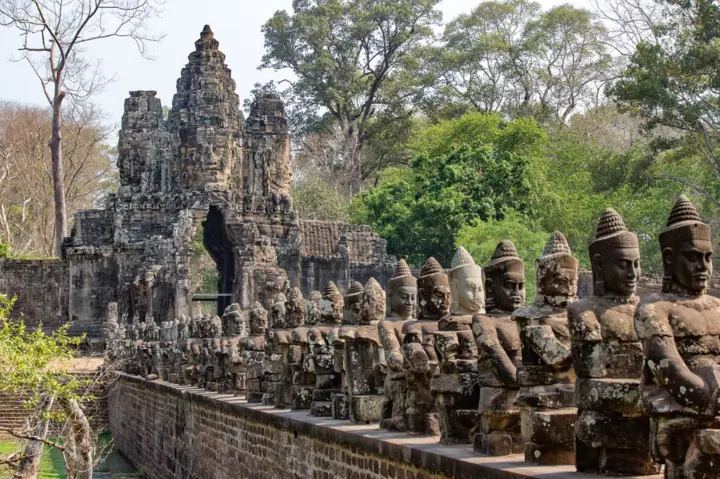
1. Angkor Wat, Cambodia.
• Location: Siem Reap, Cambodia.
• History: Built in the early twelfth century by King Suryavarman II, Angkor Wat was originally dedicated to the Hindu god Vishnu before becoming a Buddhist temple.
Recommend


• Cultural significance: Angkor Wat represents the pinnacle of Khmer architecture and reflects the spiritual and historical heart of Cambodia.
• Tourist importance: As one of the largest religious monuments in the world, Angkor Wat attracts millions of tourists annually. Its ancient temples, surrounded by forests, are a favorite place for photography.
• Photography possibilities: The sunrise above the Angkor Wat profile image is a must-have photo. Intricate sculptures and temple ruins also provide great photo opportunities.
• UNESCO Sponsorship: Listed with UNESCO in 1992, UNESCO helps ensure the preservation of this vast complex, which was previously at risk of looting and environmental damage.
2. Taj Mahal, India.
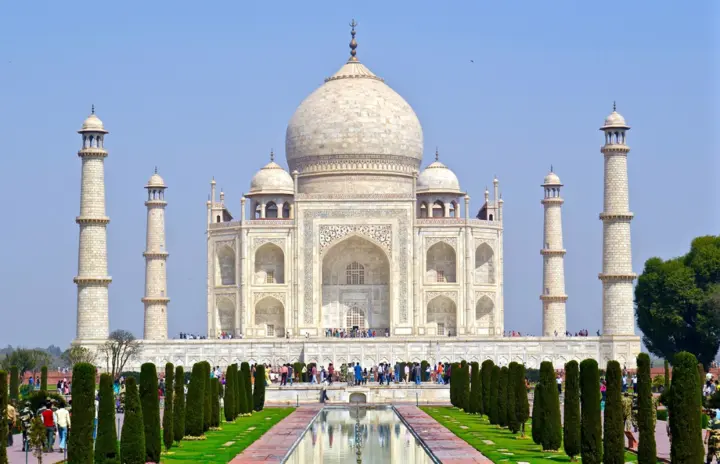
• Location: Agra, India.
• History: Mughal Emperor Shah Jahan commissioned the construction of this landmark in 1632 in memory of his wife Mumtaz Mahal, and the Taj Mahal is a symbol of eternal love.
• Cultural significance: The Taj Mahal, a model of Mughal architecture, blends Indian, Persian and Islamic architectural elements, showing India's historical grandeur.
• Tourist importance: As one of the new Seven Wonders of the World, the Taj Mahal attracts millions of visitors annually, making it India's most popular tourist destination.
• Pictorial possibilities: White marble, symmetrical gardens, and reflection in the Yamuna River create perfect shots, especially at sunrise or sunset.
• UNESCO Patronage: The Taj Mahal was designated a World Heritage Site in 1983 and benefits from international efforts to protect its safety from pollution and congestion.
3. Borobudur, Indonesia.
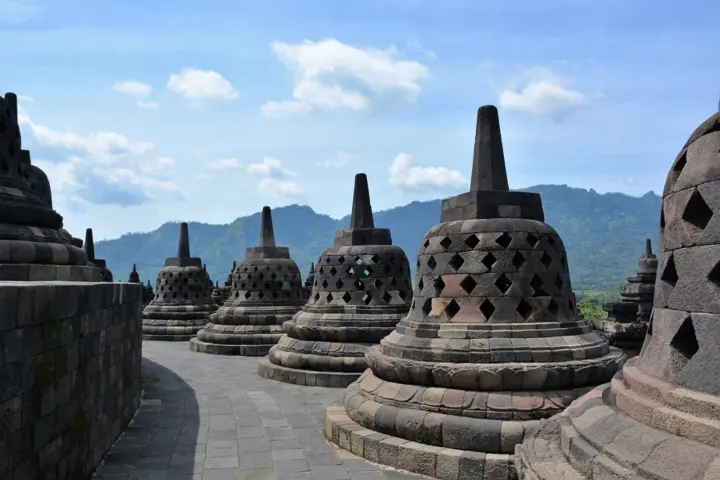
• Location: Central Java, Indonesia.
• History: Borobudur was built in the ninth century during the Sailendra dynasty, the largest Buddhist temple in the world.
• Cultural significance: The temple is a prime example of Indonesia's ancient architecture and Buddhist heritage, with thousands of intricate stone inscriptions and Buddha statues.
• Tourist significance: Borobudur is a major pilgrimage site and a favorite destination for tourists looking for spiritual connection and panoramic beauty.
• Pictorial capabilities: The image of the temple's features facing the foggy morning sky and sunrise seen from its top is magical, while the Buddhist towers provide attractive shots.
UNESCO Sponsorship: Borobudur was listed by UNESCO in 1991, and UNESCO continues to assist in its restoration and preservation, as the temple has faced challenges from earthquakes and volcanic eruptions.
4. The Great Wall, China.
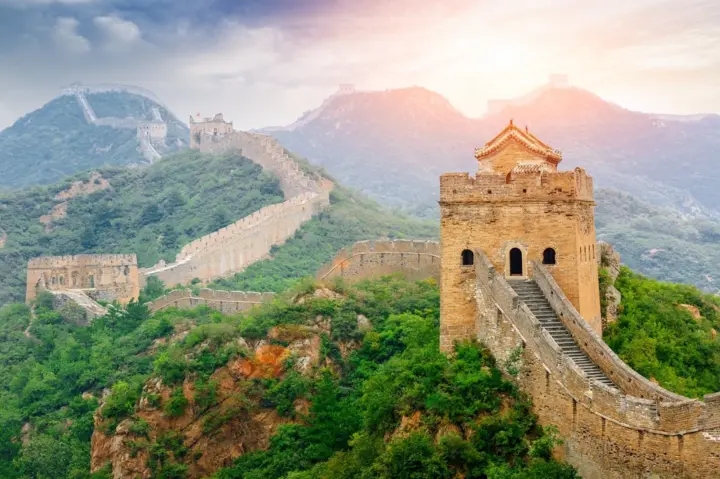
• Location: Northern China, stretching over 13,000 miles.
• History: The Great Wall of China was built over several dynasties starting in the seventh century BC, to protect Chinese states from nomadic invaders.
Cultural significance: As one of the most important military edifices in the world, the Great Wall symbolizes China's strength, endurance and rich history.
• Tourist significance: The Great Wall of China is a symbol of China, and it is one of the country's most popular tourist attractions, with thousands visiting it to walk its historical itineraries.
• Photographic possibilities: With its undulating shape that stretches across the rugged landscape, the Great Wall of China offers breathtaking views at every turn, especially during autumn when the surrounding forests glow with colour.
UNESCO Sponsorship: Listed with UNESCO in 1987, UNESCO works with the Chinese authorities to ensure that the fence is preserved in the face of environmental damage and tourism pressures.
5. Ha Long Bay, Vietnam.
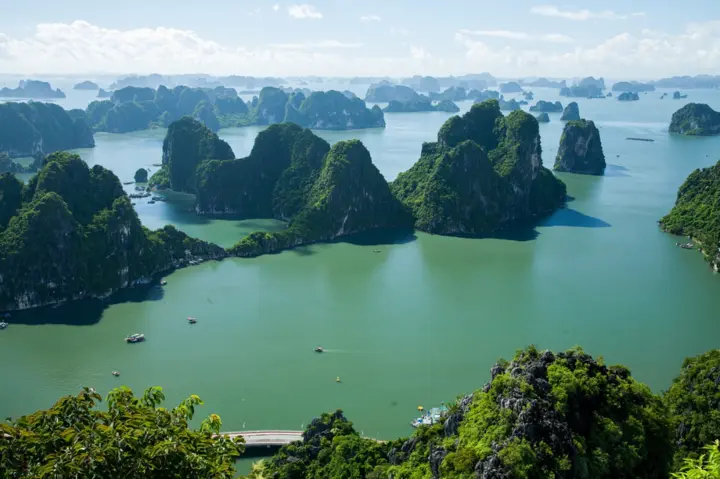
• Location: Quang Ninh Province, Vietnam.
• History: Ha Long Bay has a geological history spanning more than 500 million years and has been an important cultural and historical landmark for various Vietnamese dynasties.
Cultural significance: The bay is an integral part of Vietnamese folklore, often associated with mythical dragons who descended to protect the country.
• Tourist importance: Known for its emerald waters and towering limestone islands, Ha Long Bay is one of Vietnam's leading tourist destinations, attracting nature lovers and photographers.
• Photographic possibilities: Karst formations in the Gulf, especially during foggy or sunset hours, create an ideal ethereal atmosphere for landscape photography.
• UNESCO Patronage: Ha Long Bay was declared a World Heritage Site in 1994 and is protected by UNESCO for its unique geology and natural beauty.
6. Himeji Castle, Japan.
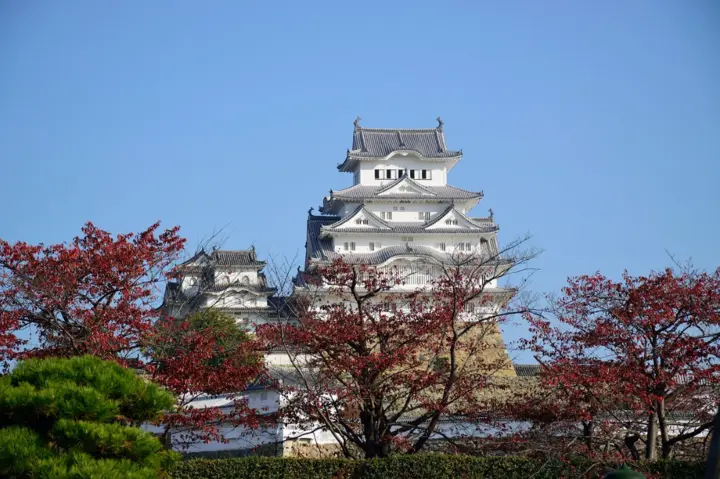
• Location: Hyogo Prefecture, Japan.
• History: Built in 1333, Himeji Castle underwent major expansions during the sixteenth century, becoming one of Japan's best-preserved feudal castles.
• Cultural significance: Himeji Castle represents the pinnacle of Japanese castle architecture and has played an important role in the history of samurai in Japan.
• Tourist importance: Himeji Castle is known as the "White Heron Castle" because of its magnificent white façade, and is a major attraction for tourists interested in history and architecture.
• Photographic possibilities: The castle, surrounded by cherry blossoms in spring, offers breathtaking views, with its white walls starkly contrasting to the surrounding greenery or pink flowers.
• UNESCO Sponsorship: Listed on UNESCO in 1993, Himeji Castle is carefully preserved as a symbol of Japan's heritage.
7. Bagan, Myanmar.
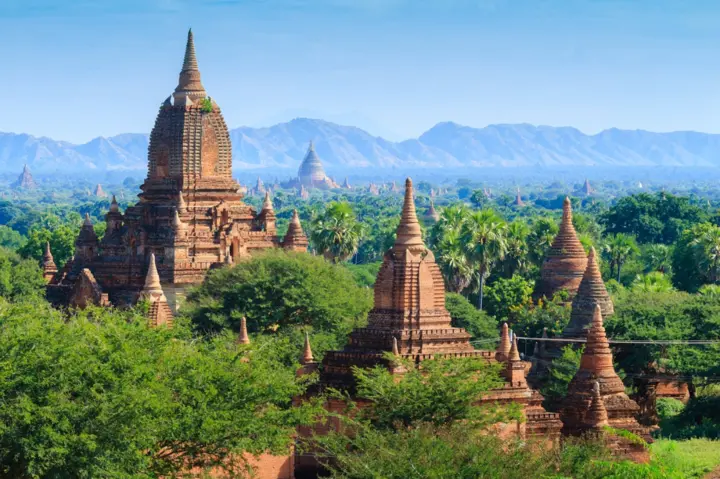
• Location: Mandalay Area, Myanmar.
History: Built between the ninth and thirteenth centuries, Bagan was the capital of the Bagan Kingdom, the first empire to unite the regions that make up modern Myanmar.
Cultural significance: Pagan is known for its wide range of Buddhist temples, stupas, and monasteries, symbolizing the spread of Theravada Buddhism in Southeast Asia.
• Tourist significance: The ancient city of Bagan, with more than 2,000 remaining temples, attracts history buffs, pilgrims and photographers alike.
• Photographic possibilities: The sweeping views of temples stretching across the horizon, especially at sunrise or sunset, make Bagan one of the most photographable locations in Asia.
• UNESCO Sponsorship: Added to the World Heritage List in 2019, UNESCO supports the conservation of the site, which has faced damage caused by earthquakes and erosion.
8. Petra, Jordan.
• Location: Ma'an Governorate, Jordan.
• History: Petra has been the capital of the Nabataean kingdom since the fourth century BC, and has flourished as a major trading center for centuries.
• Cultural significance: Known as the "Pink City" because of the color of the stone from which it was carved, Petra represents a fusion of Hellenistic and Nabataean architectural styles.
• Tourist importance: Petra is one of the most important tourist destinations in Jordan, attracting visitors for its archaeological wonders and the opportunity to explore the valleys of the ancient desert.
• Pictorial possibilities: The treasury and the monastery, carved into the cliffs of pink sandstone, are iconic, especially when illuminated by the desert sun.
• UNESCO Sponsorship: Petra was designated a UNESCO World Heritage Site in 1985 and is monitored for threats from tourism and environmental degradation.
9. Mount Fuji, Japan.
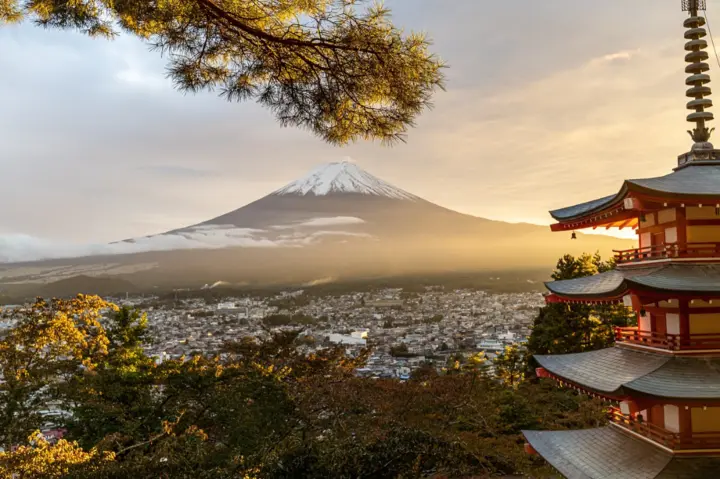
• Location: Honshu Island, Japan.
• History: Respected since ancient times, Mount Fuji has been a pilgrimage site for centuries, and occupies a prominent place in Japanese art and literature.
• Cultural significance: Mount Fuji is a symbol of Japan, embodying the cultural, spiritual and aesthetic values of the nation. Its perfect volcanic cone is deeply intertwined with Shintoism and Buddhism.
• Tourist importance: As Japan's highest peak, Mount Fuji is a popular destination for climbers, tourists and photographers, offering stunning views of the surrounding landscape.
• Photographic possibilities: The symmetry of Mount Fuji's snow-capped peak, reflected in nearby lakes, is one of the most iconic images in Japan, especially during cherry blossom season.
• UNESCO Patronage: Mount Fuji was added to the World Heritage List in 2013 as a cultural site, in recognition of its importance in Japanese history and arts.
10. Luang Prabang, Laos.
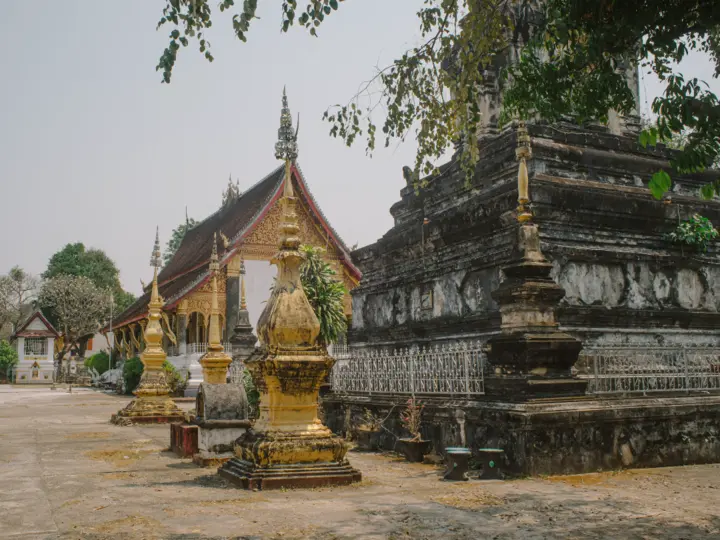
• Location: Luang Prabang District, Laos.
• History: Luang Prabang was the royal capital of Laos until 1975 and is famous for its well-preserved architectural and religious heritage.
• Cultural significance: The city is a unique blend of traditional Laotian wooden houses and French colonial architecture, with spiritual significance rooted in many temples and monasteries.
• Tourist significance: Visitors are attracted to the tranquility of Luang Prabang, as well as its natural beauty, river cruises, and vibrant night markets.
• Photographic possibilities: The city's fusion of nature and architecture, against the backdrop of lush green mountains and the Mekong River, offers endless opportunities for photography.
UNESCO Patronage: The cultural heritage of Wang Prabang was listed with UNESCO in 1995 and protected by UNESCO to preserve its unique blend of Laotian and European influences.
Other potential UNESCO World Heritage sites in Asia.
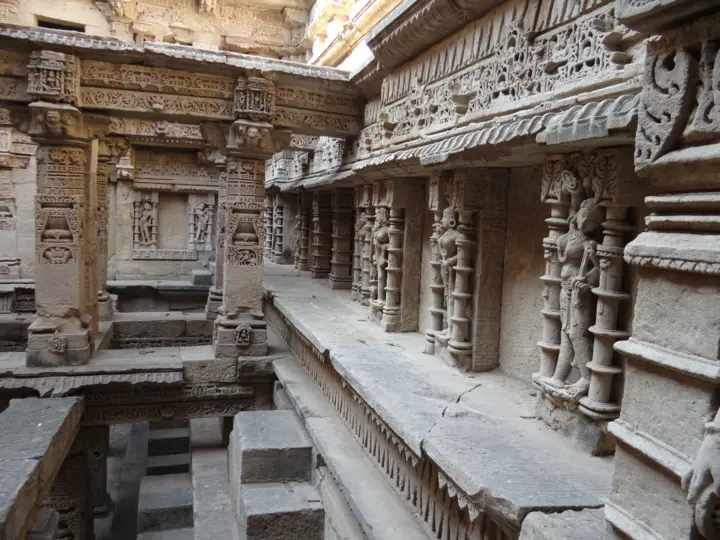
Besides the ten sites mentioned above, Asia is home to countless other sites that can be classified as UNESCO World Heritage Sites or are already part of the list but are less known. Some of these sites include:
• Jeju Volcanic Island and Lava Tubes, South Korea: This natural wonder, recognized in 2007, offers stunning volcanic scenery and cave formations, making it a paradise for nature photographers.
Lijiang Ancient City, China: With its ancient bridges, canals, and traditional Naxi architecture, Lijiang is one of China's most picturesque ancient cities, often crowded with larger tourist crowds heading to the Great Wall or Forbidden City.
Mahabalipuram, India: Known for its collection of rock-cut reserves along the Bay of Bengal, this city showcases a masterpiece of Pallava art, offering stunningly detailed sculptures and stone temples.
• Rani ki Vav (Queen's Stepped Well), India: This stepped well, a magnificent underground structure built in the eleventh century, in Gujarat, is decorated with intricate reliefs and offers a unique opportunity for photography due to its geometric symmetry and craftsmanship.
Shirakawa-go and Gokayama, Japan: These historic mountain villages are known for their unique farms, built with steep thatched roofs designed to withstand heavy snowfall. It is an ideal destination for those looking to capture the charm of the Japanese countryside in winter and summer.
These potential locations, along with many others across Asia, have immense cultural, natural and historical value and are incredibly attractive for photography, providing opportunities for professional and amateur photographers to capture the unique beauty of the continent. Each new addition to UNESCO's list continues to highlight the immense richness of Asia's heritage, ensuring that these treasures are preserved and celebrated around the world.
The bottom line.
These ten UNESCO World Heritage sites represent Asia's cultural and historical richness, each offering unparalleled beauty and significance. Its photographic appeal is a major attraction for tourists and photographers, from the sunrise in Angkor Wat to the majestic reflection of Mount Fuji in the lakes below. UNESCO's inclusion of these sites ensures that they are not only preserved for their cultural and historical significance but also for their experience and appreciation by future generations. When travelers visit these sites, they not only take beautiful photos, but participate in a global effort to honor and protect humanity's shared heritage.
![]()
Elon Musk - mad genius or unlimited diligence?
Elon Musk, dubbed the "Real Iron Man," is a bold, creative dreamer known for his ambition to colonize Mars, controversial tweets, and strict leadership style. Loved and hated, he's a complex figure who never shies away from challenges or attention, always pushing boundaries with fearless determination. more- ADVERTISEMENT
![]()
The most impressed Japanese techniques in modern times
Japan keeps surprising the world with weird yet useful inventions—like heated toilet seats and noise-canceling forks. One standout? Healthcare robots that assist the elderly, making life easier and healthcare smarter. Also, karaoke, born in Japan, totally changed entertainment. It's clear: Japan knows how to mix fun, tech, and innovation. more- ADVERTISEMENT
![]()
Mental flexibility - what is it? And how to get there?
Mental flexibility - what is it? And how to get there? more- ADVERTISEMENT
![]()
5 golden tips to organize your time
Feeling overwhelmed by endless tasks? A weekly schedule can help! Prioritize important duties, delegate when possible, and don’t forget breaks—they recharge you. Limit screen time, shop smart with a list, and learn to say no when needed. Small habits make a big difference in managing time with ease. more- ADVERTISEMENT
![]()
Extracting rocks that originated in Earth's mantle may reveal the secrets of the planet's history
Mantle rocks are like ancient time capsules, revealing secrets of Earth’s deep past. Their unique chemistry and minerals help scientists uncover how the planet formed, how volcanoes and tectonic plates work, and how Earth’s atmosphere and oceans evolved over billions of years. more- ADVERTISEMENT
![]()
What happens to cancer cells when they die?
What happens to cancer cells when they die more- ADVERTISEMENT
![]()
History of Antarctica
History of Antarctica more- ADVERTISEMENT
![]()
A system to remember everything: clear, simple, and effective
Want to remember everything better? Use systems like visualization, mnemonics, and spaced repetition. Methods like the Loci technique or tools like mind maps can make memory work smoother. It's not complicated—find what fits you and make learning easier and less stressful. more- ADVERTISEMENT
![]()
At each moment, there are about 2,000 thunderstorms occurring on Earth.
Thunderstorms are powerful and common, with up to 2,000 happening worldwide at once. Florida tops the U.S. in stormy days, but Venezuela's Lake Maracaibo holds the lightning strike crown. When thunder roars, go inside—lightning is closer than you think and more dangerous than most realize. more- ADVERTISEMENT
![]()
Habits of remarkably calm people
Remarkably calm people aren't born that way—they build habits like mindfulness, deep breathing, and regular exercise to stay composed. They also focus on positive thinking, good sleep, and managing time well. These simple yet powerful habits help them stay cool even when life gets stressful. more- ADVERTISEMENT