

Sand and fog skies: a harsh introduction to Mauritania


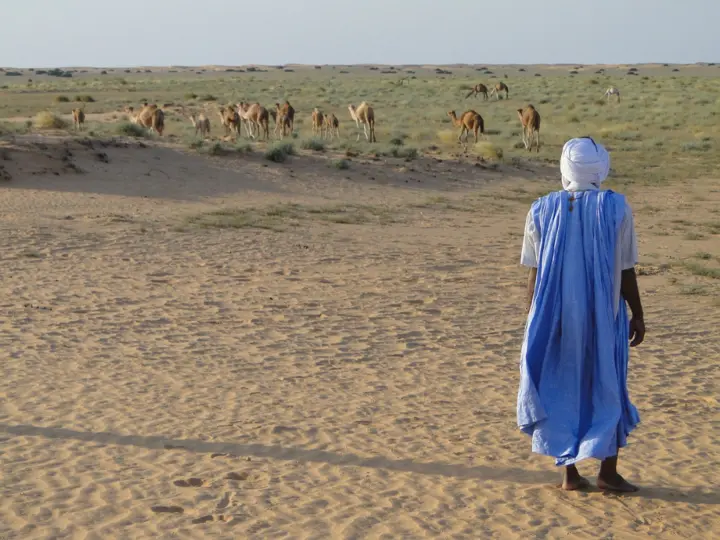
Mauritania, a sprawling country in northwest Africa, boasts a harsh landscape ranging from the vast desert to the stormy Atlantic coast. Despite its long history and rich culture, the visitor finds for the first time that the first impression of the country can be harsh, full of challenges and scenes that reflect poverty and difficult living conditions. This reality is evident in Nouadhibou, a port city that is the country's most important sea port, but lacks the adequate infrastructure to make it look like a vibrant urban destination. In this article, we will detail the first visit to Mauritania through the city of Nouadhibou, learn about the challenges faced by visitors, and take a look at the economic and social conditions that make up the daily life in this city.
Recommend


Show key points
- Nouadhibou, Mauritania’s key coastal city, plays a central role in the country's maritime trade despite lacking the infrastructure of a modern port.
- Visitors to Nouadhibou are often struck by the visible poverty, neglected urban environment, and remnants of colonial history that shape the city's initial impression.
- Mauritania enforces strict social and religious norms, including bans on alcohol and public expression of atheism, which significantly impact both locals and tourists.
- ADVERTISEMENT
- Though the city faces severe economic and logistical challenges, scenes of colorful markets and community life reveal the resilience and spirit of its people.
- Nouadhibou serves as a major hub for illegal immigration to Europe, intensifying the region’s economic stress and highlighting limitations in controlling migration.
- Despite its harsh desert climate and underdevelopment, Mauritania offers a deeply authentic experience rich in culture, history, and human perseverance.
- The combination of environmental adversity and social conservatism in Mauritania presents unique challenges that visitors must adapt to with understanding and respect.
Nouadhibou: Port without port
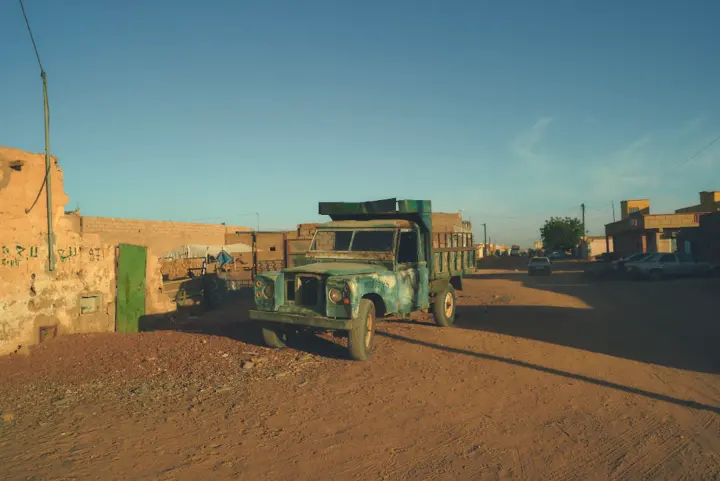
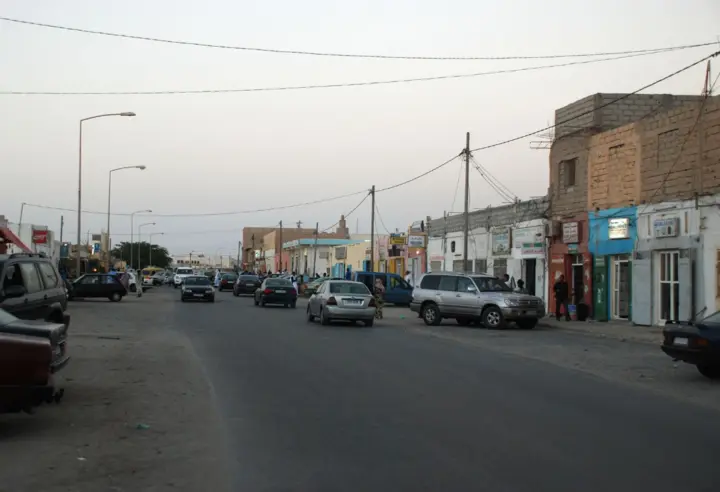
Nouadhibou is one of Mauritania's most prominent coastal cities, although it lacks an ideal location to make it a traditional seaport. The city is an important hub for shipping and trade thanks to engineering efforts that include dredging and concrete structures, allowing large ships to dock safely. Located on the eastern side of the Ras Nouadhibou peninsula, Nouadhibou provides natural protection from severe Atlantic storms, but its streets and facilities suffer from neglect and chaos. As visitors enter the city, they are greeted by a view of dilapidated concrete buildings and streets filled with dust and rubbish, making the city look like a mixture between the colonial past and the deteriorating reality of the present. The city was founded in 1905 by the French, but the landmarks of this history are almost hidden in a harsh environment where there is little trace of vegetation or urban planning. Nouadhibou faces significant infrastructure and service challenges, but despite this, it remains a vital center that represents the lifeblood of the Mauritanian economy through fishing operations and maritime trade, reflecting the city's ability to survive and adapt to its harsh environment despite all the difficulties.
Social and religious restrictions in Mauritania
Mauritania's social and religious restrictions form a large part of the fabric of daily life, with the country governed by strict laws derived from Islamic law that directly affect both locals and visitors. Alcohol consumption is strictly prohibited, making it difficult for visitors to obtain it in any form, and ordering or possessing it is risky. During Ramadan, restrictions increase, as everyone, including tourists, is expected to respect the rules of fasting, which means refraining from eating or drinking in public during the day. In addition, atheism and the public expression of unbelief is a serious issue that can lead to legal problems, so visitors are advised to avoid religious discussions altogether. These restrictions create a unique environment that requires visitors to a great degree of adaptation and respect for local traditions, making the experience of visiting Mauritania a completely different experience beyond regular tourism. Understanding and respecting these restrictions contributes to making visiting Mauritania safer and more comfortable for visitors, and helps them enjoy the rich culture and history of the country despite the challenges.
Nouadhibou: the positive aspects of a harsh city
Although Nouadhibou is known for its harsh scenery and challenging environment, there are vibrant human aspects that emerge amid this stark frame. In the dusty streets and crowded markets, children can be seen playing with joy and vitality, away from the negative effects of poverty and the difficulties of life. Bright women's clothing reflects cheerful colors that add a touch of beauty to the landscape and break the visual monotony of the city. These moments embody deep-rooted social values and a community spirit that remains steadfast, with men working together to pull fishing nets, and people living their daily lives in a spirit of cooperation and sharing. Local markets are vibrant and provide passers-by with rich experiences of social and economic interaction. Despite the harsh conditions, there is a side of humanity and hope in Nouadhibou, reflecting people's ability to adapt to the most difficult circumstances. These daily scenes provide visitors with an opportunity to reflect on the simplicity and ability to enjoy life, away from technology and luxuries, enhancing their understanding of the inner power these people possess in facing the challenges of their daily lives. It is a city that retains its human essence despite all odds, and deserves recognition for the determination and resilience it reflects.
Economic challenges and illegal immigration
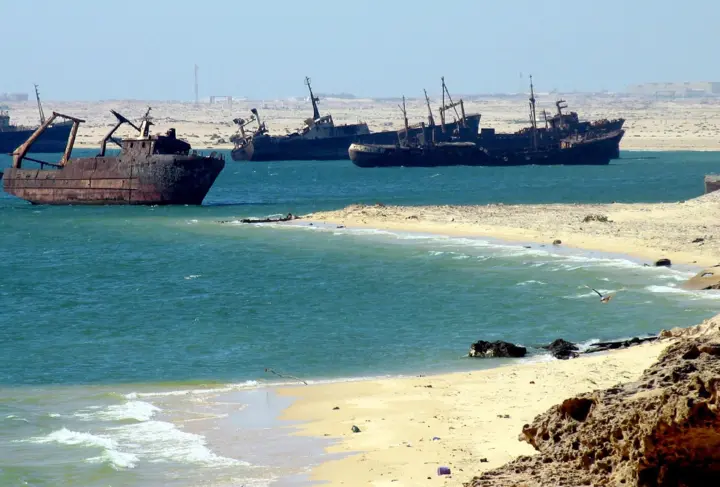
Nouadhibou is a major springboard for illegal migrants seeking to cross into Europe, making it a vital hub for transatlantic migration. The city's port is heavily active in human smuggling, serving as a staging point for boats packed with migrants heading to Spanish shores. This phenomenon exacerbates the city's economic and social crises, putting additional pressure on limited resources and increasing security and safety challenges. Spain's attempts to support Mauritanian authorities by funding border control efforts have not fully borne fruit, as the influx of migrants continues despite security measures. Many of these migrants are not Mauritanians but come from other countries in sub-Saharan Africa, increasing the burden of being kept in difficult living conditions inside Mauritania. This situation creates economic and social tensions that affect the city and the state in general, calling for more effective solutions to deal with this ongoing crisis. Improving economic conditions and enhancing employment opportunities can contribute to reducing the impact of this phenomenon, as well as improving international cooperation to address the challenges associated with illegal migration and maintain social and economic stability in the region.
Mauritania, with its dusty skies and harsh land, offers visitors an experience full of challenges and lessons. Despite environmental and economic difficulties, Mauritania remains a country with great potential and a strong spirit among its population. Nouadhibou, while exemplary of these challenges, also reflects hope and the ability to adapt and overcome adversity. Ultimately, Mauritania reveals its unique beauty to those who are ready to delve deeper and seek out the positive aspects amid extreme conditions, making it an unforgettable destination for those seeking to understand the power of nature and humans alike.
![]()
Real books prominent in self-development - including by an Arab specialist
Tired of theory-heavy self-help books? Try these three practical ones instead: Emma Bauer’s guide builds strong human connections with real-life tips, Mohamed Taha’s poetic book inspires change with depth and emotion, and Stéphane Garnier’s fun take shows how cat behavior can teach us joy, confidence, and better relationships. more- ADVERTISEMENT
![]()
History of Antarctica
History of Antarctica more- ADVERTISEMENT
![]()
Success Guide - How do you design mind maps?
Success Guide - How do you design mind maps? more- ADVERTISEMENT
![]()
Blood test uses 'protein clock' to predict risk of Alzheimer's disease and other diseases
Blood test uses 'protein clock' to predict risk of Alzheimer's disease in others more- ADVERTISEMENT
![]()
10 ways you can make money on YouTube
YouTube isn't just for watching videos anymore—it’s a legit way to make money. From joining the YouTube Partner Program to selling your own merch or offering paid memberships, there are plenty of smart ways to turn views into income and build a real career from your channel. more- ADVERTISEMENT
![]()
The city of Rimini on the Adriatic coast with its Roman history
Rimini blends beachside charm with rich history—from ancient Roman arches to Renaissance castles. Wander through art-filled streets, savor local pasta and fish soups, and explore unique spots like the Jampalonga Library or Fellini's first home. By the sea or in town, Rimini never stops giving. more- ADVERTISEMENT
![]()
Getting to rock bottom: what it means and where to go from here
Hitting Rock Bottom: What It Means and Where to Go from Here more- ADVERTISEMENT
![]()
If we look at Olympic stadiums since 1896, are they still in use?
Looking back at the Olympic venues since 1896 – are they still in use more- ADVERTISEMENT
![]()
The epic story of the Valley of the Kings in Luxor
Hidden under Egypt's desert sands, the Valley of the Kings holds grand tombs built to protect pharaohs like Tutankhamun and Seti I. Rich in secrets and treasure, it offers a journey into ancient history, where engineering genius met sacred beliefs in the afterlife. A mesmerizing destination for any explorer. more- ADVERTISEMENT
![]()
The world's oceans: species, environments, life and the magic of colors
The oceans, covering over 70% of Earth, are changing color due to climate change and human impact. From deep blue in the Pacific to green or milky turquoise in coastal or Arctic waters, these shifts reveal changes in marine life and health, making ocean conservation more vital than ever. more- ADVERTISEMENT