

Genetically engineered microbes: the future of sustainable agriculture



In their quest for sustainable agriculture, scientists turn to an unexpected ally: genetically modified microbes. These microorganisms could revolutionize the way we grow food, making agriculture more efficient, resilient and environmentally friendly.
Show key points
- Genetically modified microbes are being developed as powerful tools to enhance sustainable agriculture, improving efficiency, resilience, and environmental compatibility.
- The soil microbiome plays a vital role in plant development by supporting nutrient absorption, disease defense, and growth through symbiotic relationships with plants.
- Using genetic engineering, scientists can enhance microbial traits such as nitrogen fixation and stress tolerance, reducing the dependence on chemical fertilizers and pesticides.
- ADVERTISEMENT
- Engineered microbes contribute to climate change mitigation by improving carbon sequestration in soils and increasing crop resilience to environmental stresses.
- Regulatory systems must evolve to address the novel challenges posed by genetically modified microbes, including their potential ecological impacts and the need for public transparency.
- Innovations in microbial metabolic engineering can improve plant nutrition and support a circular agricultural economy by recycling waste into useful products.
- As technologies advance, genetically modified microbes are expected to drive the future of agriculture by boosting food security while minimizing environmental harm.
The microbial world in agriculture

The soil microbiome is a treasure trove of biodiversity, hosting a range of microorganisms that are integral to agroecosystems. These microbes, including bacteria, fungi and viruses, form symbiotic relationships with plants, contributing to their growth, health and productivity. They engage in a myriad of activities such as nutrient stabilization, mineralization, dissolution, and packaging, which are essential for plant development. Microbes produce iron carriers that bind and transport iron, making it easier for plants to absorb. They also generate antibiotics and antibodies that protect crops from pathogens. Plant growth boosters such as the hormones auxin and gibberelin are released through interactions between plant roots and microbes in the root zone, promoting plant growth and productivity. The role of these microorganisms extends far beyond promoting growth. They play a pivotal role in biofortifying micronutrients such as iron and zinc in cereal crops, contributing to the nutritional quality of our food supply. Innovations that leverage the soil microbiome are shaping the future of sustainable agriculture, offering solutions that are compatible with environmental conservation and human health.
Recommend


Genetic Engineering: Enhancing Microbial Capabilities
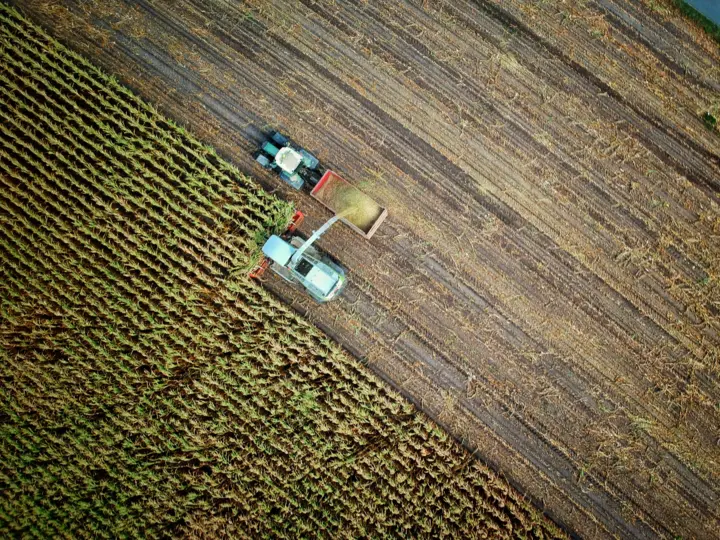
Genetic engineering has opened up new horizons to increase the natural capabilities of agricultural microbes. By manipulating their genetic material, scientists can produce strains with improved traits, such as increased efficiency in absorbing nutrients or increased resistance to pests and diseases. For example, genetic engineering can be used to modify bacteria to produce higher levels of nitrogen-fixing enzymes, reducing the need for synthetic fertilizers. Similarly, fungi can be engineered to better withstand environmental stressors, ensuring that their symbiotic relationship with plants remains strong even under adverse conditions. Advanced technologies such as CRISPR-Cas9 have made it possible to make precise modifications to microbial DNA, allowing for targeted optimization of desired traits. This accuracy not only improves the effectiveness of these microbes, but also reduces unintended environmental impacts. As we continue to improve these methods, the potential for creating strong, beneficial microbial communities that support highly productive, disease-resistant, and stress-tolerant crops is enormous.
Addressing climate change and food security
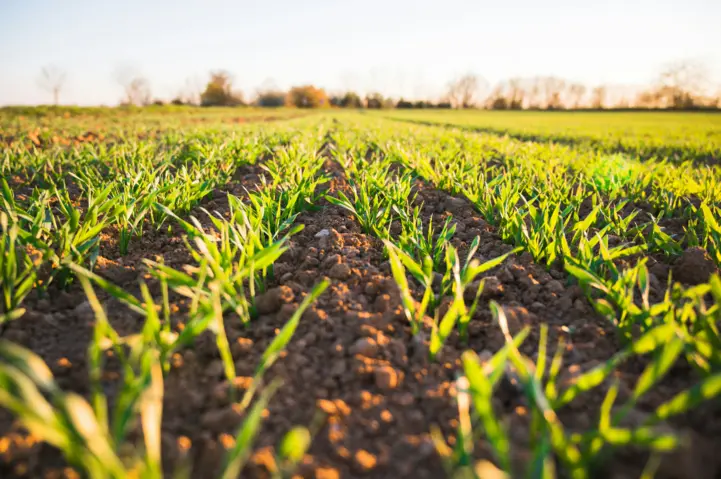
The intersection between climate change and food security is a critical area where genetically modified microbes can have a transformative impact. Climate change poses significant risks to agricultural productivity due to rising temperatures, changing rainfall patterns, and increasing frequency of extreme weather events. These changes threaten the stability of food systems and the availability of nutritious food for a growing global population. Genetically modified microbes offer a promising solution to these challenges. For example, microbes designed to enhance photosynthesis can sequester more carbon from the atmosphere, reducing greenhouse gas concentrations and mitigating climate change. In addition, crops can be designed to be more resilient to environmental stressors, such as drought or salinity, ensuring stable yields even under changing climatic conditions. Furthermore, engineered microbes can contribute to carbon capture in soils and play a role in climate change mitigation strategies. By improving plant health and nutrient absorption, these microbes can increase the amount of carbon stored in the soil, turning farmland into carbon sinks.
Regulatory challenges and the way forward
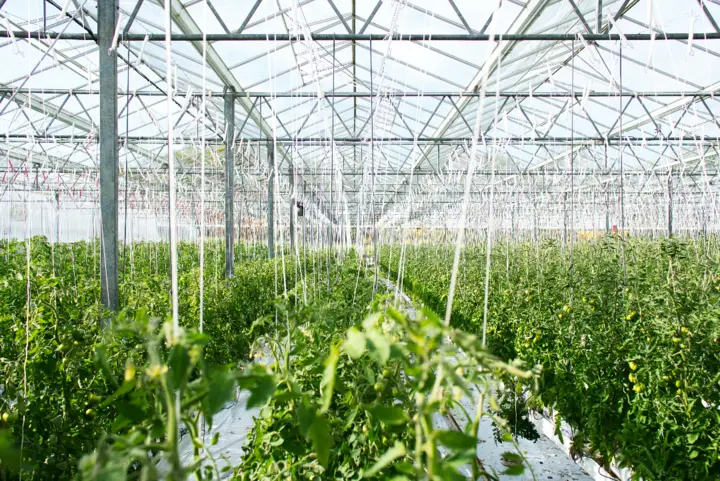
The way forward towards the widespread adoption of genetically modified microbes in agriculture involves navigating a complex regulatory landscape. Current regulatory frameworks are often outdated and not fully equipped to address the unique features and risks associated with these objects. For example, genetically modified microbes can multiply and spread, raising concerns about their potential impact on ecosystems and human health. Regulators must balance the need for innovation with the need to protect the environment and public health. This requires a robust assessment and stewardship process that can adapt to rapid advances in genetic engineering techniques. To address these challenges, regulators are updating their policies and guidance. This includes defining clear criteria for assessing genetically modified microbes, establishing surveillance systems to track their environmental and health impacts, and promoting transparency and public participation in decision-making.
The role of genetically modified microbes in sustainable agriculture
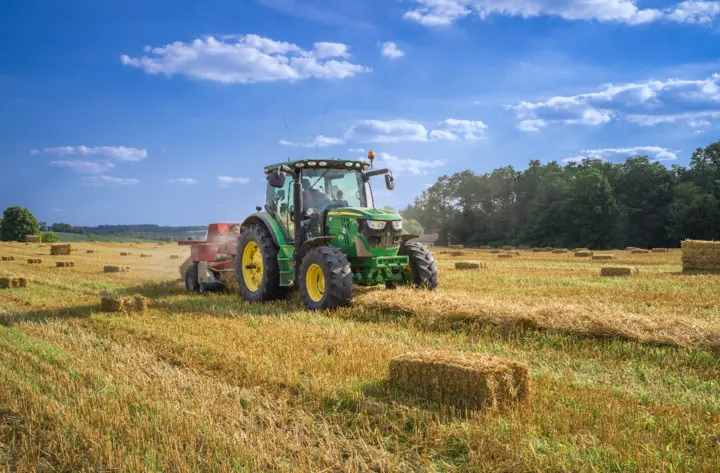
Sustainable agriculture is the cornerstone of a future in which agriculture coexists harmoniously with the environment. Genetically modified microbes are emerging as key players in this sustainable vision, offering innovative solutions to enhance crop productivity while reducing environmental footprints.
• Microbes as biofactories
Engineered microbes act as biofactories in the soil, producing essential nutrients and bioactive compounds that support plant growth. For example, some bacteria can be genetically modified to fix nitrogen in the atmosphere more efficiently, providing plants with an easily available source of these important nutrients. This reduces dependence on synthetic nitrogen fertilizers, which require energy-intensive production and can lead to environmental problems such as euphoria.
• Biological control agents
Genetically modified microbes can also act as biological control agents, protecting crops from pests and diseases without the need for chemical pesticides. By introducing genes that produce natural pesticides or antifungal compounds, these microbes can effectively target and suppress agricultural pests and pathogens, reducing crop losses and maintaining yields.
• Enhance plant resilience
In the face of climate change, engineered microbes can enhance plants' ability to resist abiotic stresses such as drought, salinity and temperature extremes. By modifying microbial genes, scientists can boost their ability to give plants the ability to withstand stress, helping crops thrive in less than ideal growing conditions.
• Metabolic Engineering for Sustainability
Metabolic engineering of microbes is a particularly promising approach to sustainable agriculture. By modifying the metabolic pathways of soil bacteria and fungi, scientists can improve the production of plant-healthy compounds, such as plant hormones and vitamins. This not only promotes plant growth, but also improves the nutritional content of crops, contributing to food security.
• Circular economy and agriculture
The concept of a circular economy is gaining increasing interest in agriculture, where engineered microbes play a pivotal role. These objects can be designed to recycle agricultural waste into valuable products, such as biohydrogen and biogas, contributing to a closed-loop system that reduces waste and enhances resource efficiency.
• Future prospects
Looking ahead, the role of genetically modified microbes in agriculture is expected to expand. With advances in genome sequencing, computational biology, and gene-editing techniques, the possibilities for innovation have become vast. The future of sustainable agriculture is likely to depend heavily on these microengineers, transforming agriculture into a more productive, resilient and environmentally friendly endeavor.
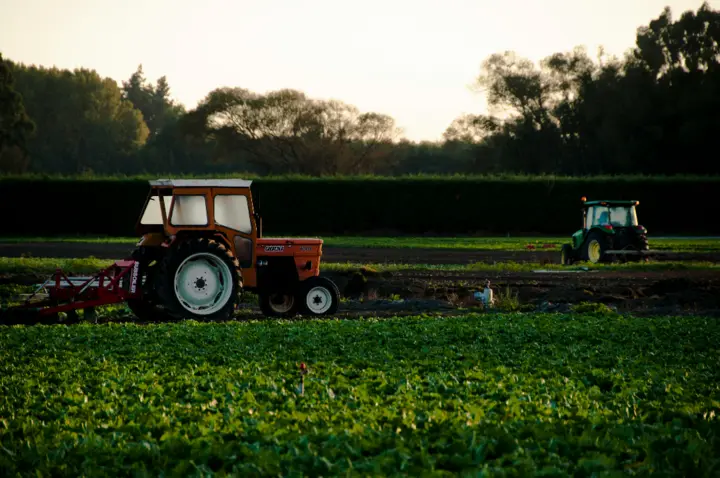
Genetically modified microbes represent promising frontiers in agricultural science. By harnessing the power of these microorganisms, we can create a more sustainable and resilient diet. As we continue to face the challenges of climate change and the world's growing population, these microbial allies will be critical in our efforts to feed the world without harming the planet.
![]()
6 cheap electronic tools for an easier life
Boost your lifestyle with affordable tech tools like fitness trackers for healthier habits, e-readers for book lovers on the go, and smart trackers to never lose your keys again. Add entertainment with a TV Stick 4K and stay powered anywhere with travel adapters and rechargeable batteries. Simple, smart, and efficient! more- ADVERTISEMENT
![]()
Saving and portfolio diversification - concepts you should know
Saving & Financial Portfolios Diversity - Concepts you should know more- ADVERTISEMENT
![]()
A book that may interest you: pistachio theory
A book that might interest you - Pistachio Theory more- ADVERTISEMENT
![]()
Things people with emotional intelligence never do
Emotional intelligence helps people understand and manage emotions, leading to better relationships, improved teamwork, and stronger mental health. It can be developed through self-reflection, mindfulness, and active listening. Emotionally intelligent people avoid impulsive actions and build balanced lives with better decision-making and communication. more- ADVERTISEMENT
![]()
Turkey: The country that heals hearts and steals souls
From Istanbul’s magic to Cappadocia’s dreamy skies, Turkey stirs the soul with ancient wonders, warm-hearted people, and unforgettable beauty. More than a destination, it's a journey through time and emotion that stays with you long after you’ve gone. more- ADVERTISEMENT
![]()
Jobs that will disappear and others that are needed due to artificial intelligence
AI is evolving fast, replacing many jobs that involve routine tasks like data entry, customer service, and even accounting. But instead of fear, this shift brings new opportunities in fields like AI development, cybersecurity, and creative innovation—where human skills in critical thinking and empathy are more needed than ever. more- ADVERTISEMENT
![]()
A good leader knows he doesn't know everything: lessons my old sergeant didn't learn
Great leaders don’t pretend to know it all—they lead with humility, collaboration, and a willingness to learn. In today’s fast-changing world, success comes from empowering teams, embracing change, and valuing diverse perspectives, not clinging to outdated notions of authority. more- ADVERTISEMENT
![]()
Hospice of the King's Assistant... Masterpieces of art and color harmony in Kermanshah
The King’s Assistant Hospice in Kermanshah, a Qajar-era gem, shines with vivid tiles and graceful arches. Built for religious ceremonies and tribal reconciliation, it also holds tales of conflict, peace, and deep-rooted Persian hospitality. Today, it stands as a museum and a beautiful reminder of cultural and spiritual legacy. more- ADVERTISEMENT
![]()
The Sahara Dilemma: Are Deserts Vital to the Balance of Our Planet?
Deserts may seem lifeless and harsh, but they’re vital to our planet. They store carbon, support unique species, and even help nourish the Amazon Rainforest. Despite their importance, human activities threaten these fragile ecosystems. So yes—deserts matter, and we need them more than we think. more- ADVERTISEMENT
![]()
You can train your brain to increase your attention span, and here's how
Distractions are everywhere, but by building better habits—like getting enough sleep, keeping your phone out of reach, and taking mindful breaks—you can train your brain to stay focused longer and boost your productivity throughout the day. more- ADVERTISEMENT