

Nemo Point: the most isolated location on the planet



Point Nemo... It has nothing to do with the clown fish! It is the scientific term for the "inaccessible oceanic pole", that is, the place in the ocean farthest from visible lands. This South Pacific location, where no one is in any direction within an area of 22 million square kilometers, still holds mysteries to uncover...
Show key points
- Point Nemo is the most remote location in the ocean, officially known as the "inaccessible oceanic pole," situated in the South Pacific at 48°5
- 6′ S, 123°2
- 6′ W.
- ADVERTISEMENT
- Its extreme isolation, with the nearest land over 2,700 kilometers away, makes it one of the loneliest spots on Earth.
- Due to poor ocean currents and limited nutrients, the region is considered a biological dead zone with minimal marine life.
- Discovered in 1992, Point Nemo remains largely unexplored, drawing continued scientific interest for its oceanographic characteristics.
- The area serves a practical function for space agencies as a controlled crash site for decommissioned spacecraft, earning it the nickname "spacecraft cemetery."
- Interestingly, the closest humans to Point Nemo are often astronauts aboard the International Space Station, which orbits overhead.
- As a symbol of extreme remoteness, Point Nemo has also inspired fiction, from Jules Verne’s Captain Nemo to science fiction and environmentalist music projects.
Geographical location of Nemo Point
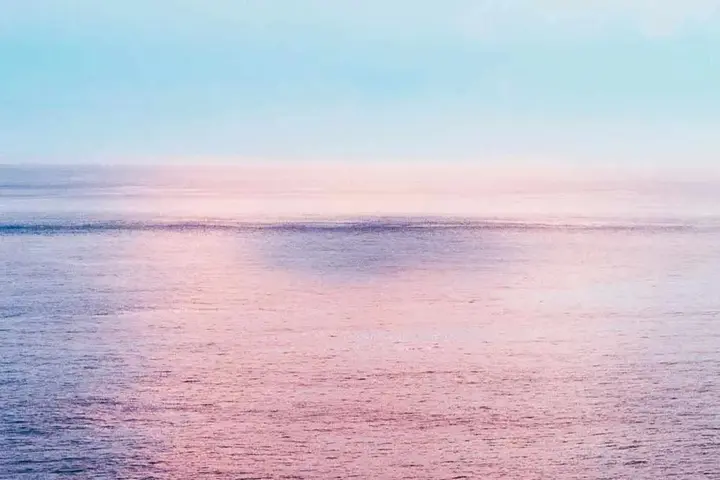
In Latin, the word "nemo" means "no one." Due to its location far from human life and visible lands, the "inaccessible oceanic pole" is called the "Nemo Point". Navigation professionals may be interested to know that it is located at 48°52.6′ South latitude and 123°23.6′ W longitude.
To visualize the vastness of the area, you need to know that the closest land to Nemo Point is 2,700 kilometers away: Douci Island in the Pitcairn Islands, to the north, Motu Nui Island next to Easter Island, to the northwest, and Motu Nui Island next to Easter Island, to the northwest. Maher Island in Antarctica south. To the west, you'll travel all the way to the Chatham Islands, in New Zealand, and to the east, all the way to Chile to find another living soul.
Recommend


Biologically dead zone?
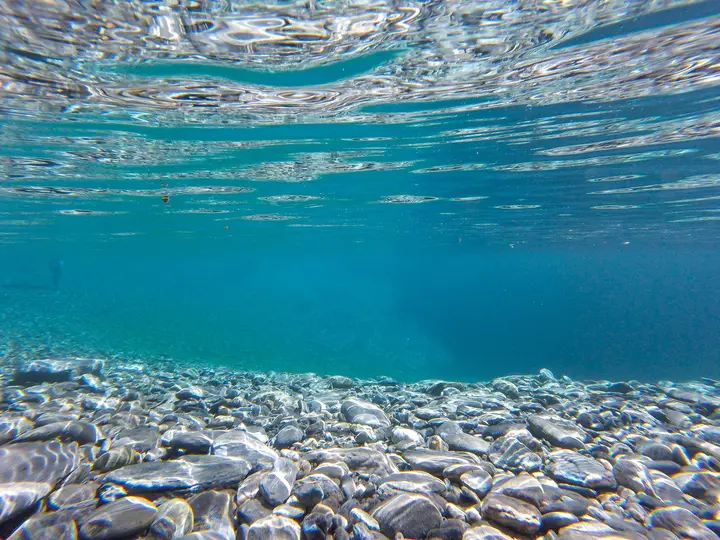
Nemo Point actually refers to an area in the South Pacific that is about 34 times the size of France, where marine life is thought to have developed only with difficulty: its remoteness and weak ocean currents mean there are not enough nutrients in the water for more sophisticated and larger terrestrial organisms to survive.
Scientists want to know more about the oceanic mechanisms operating in this region and its bottom. The officially inaccessible oceanic pole, by conclusion, was discovered in 1992 and has not really been explored since.
A key point for the space industry
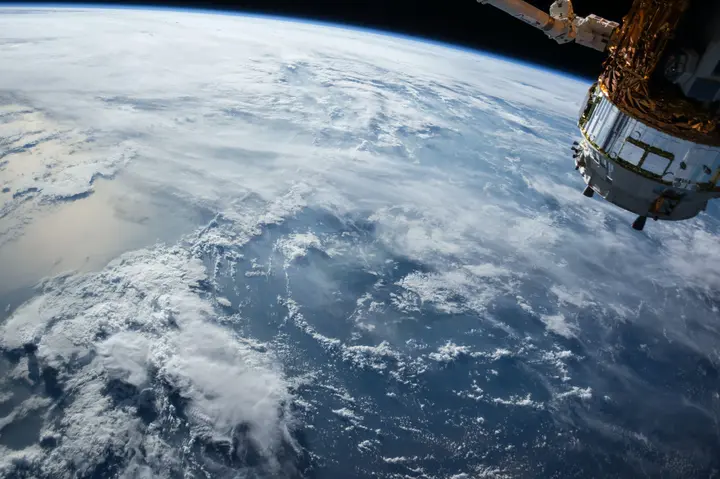
The closest humans to Nemo Point don't travel by boat but astronauts on the International Space Station, who fly just under 400 kilometers above the area!
But that is not all. Space agencies are well versed in the Nemo point: they use it when calculating the return path during the "out of orbit" process. It is where the spacecraft that have been decommissioned die. For example, when the Russian space station Mir was decommissioned, the inaccessible oceanic pole was chosen as the place to collide with Earth to ensure that debris from its return to the atmosphere would not cause damage to Earth.
As a result, a veritable spacecraft cemetery has been created over the years around Nemo Point. NASA prefers it to be the final resting place of the International Space Station, which must be dismantled or remodeled in 2024. But the US agency also plans to get rid of the space telescopes that currently drive space astronomy in this region of the South Pacific.
Nemo Point: A Place for Fiction
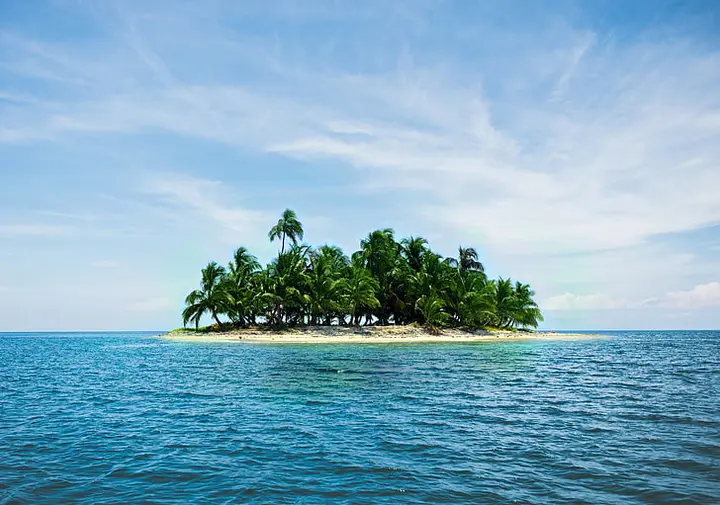
The farthest from land in the ocean is of course named after Captain Nemo, the main character of 20,000 leagues underwater. In Jules Verne's novel, he is described as anti-social, avoiding the company of others by roaming the oceans in his submarine, the Nautilus.
The idea of such a remote place in the ocean has been a great success as a literary metaphor. American science fiction author H.P. Lovecraft chose a location in the South Pacific near the inaccessible oceanic pole of the isolated fictional city of Rleia, where the malicious cosmic entity Ktholo was imprisoned. More recently, the Gorillas virtual band, created by British musician Damon Albarn, released Plastic Beach, an album based on a continent located at the same latitude and longitude as the point of Nemo. It is dedicated to preserving the marine environment!
![]()
Nine mythical places that may have already existed: tracing the line between myth and reality
From Atlantis beneath the waves to El Dorado's golden allure and Shambhala's spiritual sanctuary, these legendary places continue to spark wonder. Though their existence remains unproven, ongoing discoveries and ancient clues keep the hope alive, blending myth with mystery in humanity’s quest for hidden truths. more- ADVERTISEMENT
![]()
Why do people buy? Simplifying the theory of purchase
Understanding why people buy is key in commerce—whether it's to meet basic needs, fulfill desires, or express identity. Buying behavior is shaped by psychological, social, economic, and marketing factors, and recognizing these helps create better marketing strategies that truly connect with consumers. more- ADVERTISEMENT
![]()
Alert from the Northern Lights: Sun's activity is at its highest level in 23 years with the Northern Lights
Alert from the Northern Lights: Sun's activity is at its highest level in 23 years with the Northern Lights more- ADVERTISEMENT
![]()
Traditional Syrian Glass Blowing : A Timeless Craft
Traditional Syrian Glass Blowing : A Timeless Craft more- ADVERTISEMENT
![]()
Artificial Intelligence and the Future of Jobs: How to Adapt in the Age of Automation
Artificial intelligence is revolutionizing how we work and live, creating exciting new job opportunities while reshaping old ones. As AI grows, jobs needing creativity and critical thinking will thrive, while routine tasks may vanish. Embracing continuous learning and adaptability is key to staying relevant in this fast-changing world. more- ADVERTISEMENT
![]()
6 terrible inventions that killed their inventors
6 terrible inventions that killed their creators more- ADVERTISEMENT
![]()
Clothing Trading - Hidden Tetanus Discovery
Clothing trade can be highly profitable when you understand fashion trends, know your target customers, and offer quality products at affordable prices. Choosing the right type—like children’s or women’s wear—and selecting a smart location or online platform can boost success. Marketing and customer service also play big roles. more- ADVERTISEMENT
![]()
What makes the global demand for Arabic grow?
Arabic is booming globally, reflecting pride, rich culture, and growing global influence. With rising demand in business, media, internet, and diplomacy, Arabic is becoming essential in today’s world, offering vast opportunities for communication, jobs, and cultural exchange. more- ADVERTISEMENT
![]()
How to learn German for free in 6 months
Learning German opens doors to job and study opportunities in Germany, Austria, and Switzerland. With dedication—three hours a day—you can reach intermediate level in six months. YouTube channels like Deutsch mit Mira, German with Mr. Shehata, and Khaled Bozan make learning fun and accessible for everyone. more- ADVERTISEMENT
![]()
The best professional advice (in life) one can get
Choosing the right career can be tough, but combining self-assessment, research, and goal-setting with expert guidance makes the path clearer. Tools like MBTI and career mentors help align your job with your values, making your professional journey both successful and fulfilling. more- ADVERTISEMENT